

The real estate industry has undergone significant transformation in the past decade due to advancements in digital technologies. Traditional brick-and-mortar real estate agencies are increasingly complementing their operations with digital marketing initiatives to reach out to a wider target audience and compete effectively in this fast-paced industry.
Real estate digital marketing refers to the practice of utilizing various online channels like websites, search engines, social media platforms, etc. to promote real estate listings, and property developments and generate real estate leads online. It helps real estate businesses connect with potential home buyers and sellers through targeted digital campaigns and build their online brand presence.
Let us explore some key aspects of real estate digital marketing in detail:
SEO Optimization of Real Estate Websites
Search engine optimization or SEO involves optimizing real estate websites and web pages to rank higher organically in search engines for targeted location-based and category-based keywords. This helps the website and property listings gain organic visibility from search traffic. Real estate websites must be optimized for relevant keywords about property types, locations, price ranges, etc. Important on-page SEO elements include compelling titles and meta descriptions, images with appropriate alternative text, internal linking between pages, etc. Off-page SEO involves link-building and content marketing strategies. An SEO-optimized real estate site can significantly boost online leads.
Social Media Marketing
Social media platforms like Facebook, Instagram, YouTube, Twitter, etc. provide excellent opportunities to showcase property listings with images & videos and engage prospective buyers. Creating engaging content around real estate trends, property tips, market insights, etc. helps build credibility and following over time. Managing social media profiles, posting regularly, responding to queries promptly, and running periodic campaigns can aid lead generation. Facebook and Instagram ads allow promoting listings to a targeted geo-demographic audience as well.
Search Ads and Display Advertising
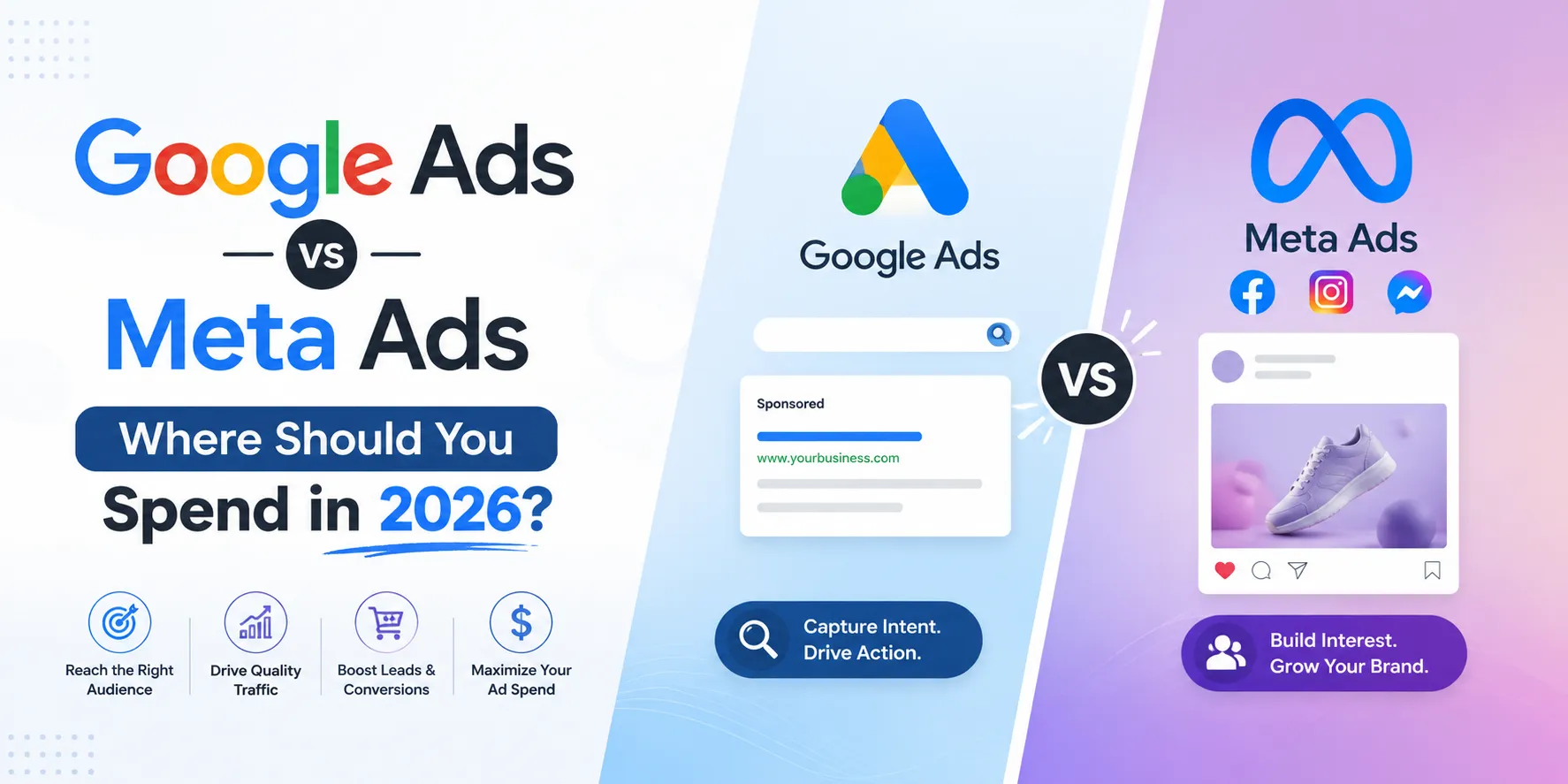
Google Ads, Bing Ads, and other major ad networks allow real estate businesses to run search ads and display ads targeted to users\' online searches and browsing behavior. Search ads appear on search results pages while display ads are shown on relevant websites and apps. With location targeting, customized bids, and budgets, relevant ads for property listings and services can reach the right target segment. Performance tracking helps optimize campaigns continuously.
Website Pop-ups and Lead Generation Forms
Lead generation pop-ups welcoming website visitors and nudging them to provide contact details in exchange for valuable information like market reports, property guides, etc. is a proven tactic. Advanced forms allow capturing vital lead-qualifying information like budget, location preferences, property types, etc. Integrating with CRM automates lead routing and follow-up workflows. Adding compelling calls to action throughout the site encourages leads.
Email Marketing
Regular emailers targeted to archived contacts and leads with fresh listings, advice, and client testimonials help stay top-of-mind. Periodic e-newsletters with personalized greetings are effective too. Segmenting the list and sending tailored communications based on previous engagements improves deliverability and response. Tracking opens and clicks help refine content strategies.
Video Marketing
Short informational and testimonial videos hosted on the website, YouTube, and social platforms help prospects virtually explore communities and properties. Drone footage, property tours, and market videos deliver engaging visual experiences. Videos perform exceptionally well across devices and platforms for real estate content. Transcripts aid SEO while captions make videos inclusive.
Inbound Marketing and Content Ideation
An inbound marketing approach focused on consistently creating and distributing helpful, educational long-form content attracts organic traffic. Keyword-optimized blog articles, guides, eBooks, and infographics positioned around ongoing buyer and seller journeys establish domain authority over time. Distributing content across owned, earned, and paid channels amplifies reach. User-centricity in perspective delivers credibility.
Review Management and Reputation Building
Managing online business listings across search engines and mapping platforms and encouraging past clients to leave reviews and star ratings helps demonstrate credibility via social proof. Promptly addressing any negative feedback in a cordial manner smooths issues. Client testimonials posted on the website and social profiles further strengthen the online reputation. Searching business names across the web indicates any areas needing focused reputation repair.
Lead Management and Reporting
Tracking leads from every digital touchpoint using a CRM automates workflow from lead to close. Generating actionable insights into top-performing channels, most engaged audiences, and conversion metrics aids in optimizing campaigns. Dashboards with KPIs keep tabs on ROI. Regular reports sharing success stories help gain stakeholder buy-in for digital initiatives.
Working with a Real Estate Digital Marketing Agency
Establishing and sustaining digital strategies in-house demands significant time and skills that many real estate businesses lack due to core operations. Outsourcing to a seasoned digital marketing agency allows leveraging their expertise and round-the-clock support more cost-effectively. Agencies handle activities from website development and maintenance to campaign management across platforms based on defined KPIs and budgets.
FAQs About Real Estate Digital Marketing:
- Who are the target audiences for real estate digital marketing?
A. The key target audiences are - prospective home buyers, sellers, landlords/tenants, property investors, and developers. Effective digital marketing helps reach out to them based on their profile, location, budget, and other preferences. - Which digital channels work best for real estate leads?
A. Search engine optimization, search ads, email marketing, and social media platforms like Facebook and Instagram tend to generate the highest quality real estate leads through targeted campaigns. Combining multiple channels delivers optimal results. - How can we measure the ROI of digital marketing initiatives?
A. Key metrics to track ROI include - leads and inquiries generated, website traffic and time spent, conversion rates, number of property views, appointments booked, client testimonials, social media follower growth, review ratings, etc. Comparing these metrics pre-and-post campaigns indicates what\'s working. - What is the role of a real estate digital marketing agency?
A. Agencies handle end-to-end digital requirements like website development, content creation, campaign management, reporting, and analytics on behalf of real estate clients. This helps leverage their expertise more cost-effectively while clients can focus on core operations. Agencies work on a performance-linked fee structure.
Conclusion
In today\'s online realty landscape, digital channels have become crucial for real estate companies to establish an online presence, bolster branding, and generate high-intent property-specific leads cost-effectively. A comprehensive digital marketing strategy integrating multiple touchpoints helps engage audiences consistently throughout their buyer or seller journey. Outsourcing requirements to a seasoned digital agency streamlines operations. Regular analysis and optimization of campaigns ensure initiatives deliver measurable ROI. Those leveraging digital platforms strategically gain significant competitive advantage.

























Sign in to leave a comment.