
The global investment landscape has long been dominated by institutions, accredited investors, and high-net-worth individuals. Access to premium assets—like luxury real estate, fine art, rare collectibles, or private equity—was often gated by massive capital requirements, complex legal structures, and limited liquidity. However, the emergence of Real World Asset (RWA) tokenization offerings is rapidly dismantling these barriers, enabling everyday investors to participate in markets that were once out of reach.
In this blog, we’ll explore what RWA tokenization offerings are, how they work, their benefits, and the transformative impact they have on democratizing high-value investments.
Understanding Real World Asset Tokenization Offerings
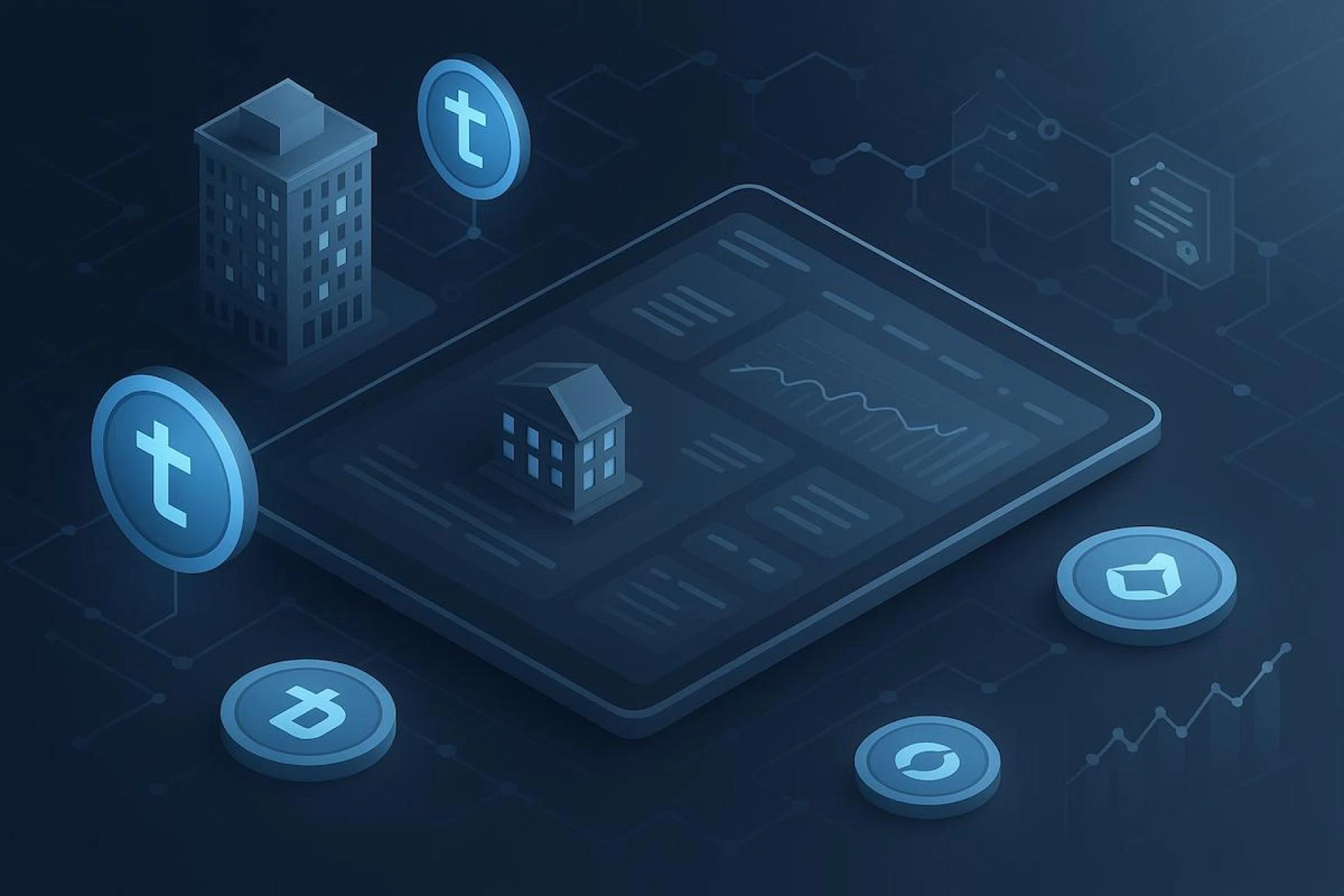
Real World Asset tokenization involves converting tangible assets—such as property, gold, intellectual property, or corporate debt—into blockchain-based digital tokens. Each token represents a specific fraction of the asset’s value, giving investors the opportunity to buy and trade partial ownership rather than the entire asset.
An RWA tokenization offering is the structured process through which these tokens are made available to investors, similar to how Initial Coin Offerings (ICOs) or Security Token Offerings (STOs) work, but with a direct link to a physical or tangible asset.
For example, a $10 million commercial property can be tokenized into one million tokens priced at $10 each. Instead of requiring one wealthy buyer, ownership is spread across potentially thousands of investors—each holding a stake proportionate to their investment.
How RWA Tokenization Works in Practice
The process of offering tokenized RWAs involves several steps:
1. Asset Identification and Legal Structuring
The first step is selecting an asset that has investment potential and ensuring that legal frameworks are in place for fractional ownership. Legal compliance is critical to protect investor rights and avoid regulatory disputes.
2. Valuation and Token Design
A professional appraisal determines the asset’s fair market value. The value is then divided into tokens, each representing a percentage of ownership or a specific claim on asset-generated income.
3. Blockchain Integration
Smart contracts on blockchain platforms like Ethereum, Polygon, or Solana handle the issuance, transfer, and management of tokens, ensuring transparency and automation.
4. Offering Launch
Tokens are made available to investors through a regulated platform or marketplace. Depending on jurisdiction, the offering may require KYC (Know Your Customer) and AML (Anti-Money Laundering) compliance.
5. Secondary Market Trading
Once issued, RWA tokens can often be traded on secondary markets, providing liquidity that is rare in traditional asset classes.
Why RWA Tokenization Is Democratizing High-Value Investments
The concept of democratization in finance refers to opening access to opportunities that were once exclusive. RWA tokenization achieves this through:
Lower Investment Thresholds
Instead of needing millions to buy prime real estate or blue-chip art, investors can participate with as little as a few dollars. This dramatically widens the pool of participants.
Global Accessibility
Blockchain infrastructure allows cross-border investment without the friction of traditional intermediaries. Someone in Asia can invest in a European property without dealing with the complexities of local banks and brokers.
Increased Liquidity
Traditional assets like real estate are notoriously illiquid. Tokenization introduces the possibility of fractional ownership sales in minutes rather than months, enhancing flexibility for investors.
Greater Transparency
Blockchain records all transactions, providing verifiable proof of ownership and transfers. This builds trust and reduces the potential for fraud.
Real-World Examples of Tokenized Asset Offerings
Several pioneering projects have shown the real-world viability of RWA tokenization offerings:
- Luxury Real Estate – High-end properties in cities like New York and London have been tokenized, enabling investors to own a fraction and earn rental income proportionally.
- Fine Art – Masterpieces from renowned artists have been fractionally tokenized, allowing art lovers to invest in museum-grade works without purchasing the entire piece.
- Renewable Energy Projects – Solar farms and wind energy projects are being tokenized, enabling environmentally conscious investors to back sustainable infrastructure.
- Private Equity and Debt Instruments – Startups and established businesses are offering tokenized shares or debt notes, expanding access beyond traditional venture capital circles.
The Benefits for Investors and Asset Owners
For Investors:
- Portfolio Diversification – Tokenized assets open up new categories for diversification beyond stocks and bonds.
- Affordable Entry Points – Participation no longer requires deep pockets.
- Potential for Higher Returns – Early access to high-value assets can deliver strong yields.
- Liquidity Options – Secondary markets provide exit opportunities without long lock-in periods.
For Asset Owners:
- Access to a Broader Investor Base – Tokenization enables raising capital from a global pool of small and mid-sized investors.
- Faster Capital Raising – Blockchain-based offerings streamline fundraising processes.
- Reduced Costs – Bypassing multiple intermediaries can reduce issuance and transaction fees.
- Increased Asset Visibility – Listing tokenized assets can increase market interest and valuation.
Regulatory and Compliance Considerations
While the benefits are compelling, RWA tokenization offerings must adhere to relevant securities laws, AML regulations, and jurisdiction-specific compliance standards. Regulators in regions like the U.S., EU, and Asia are beginning to set clearer frameworks for tokenized securities, making it crucial for issuers to work with legal experts.
Failure to comply could result in legal disputes, fines, or the invalidation of ownership claims—making regulatory compliance a non-negotiable aspect of any offering.
Technology Behind RWA Tokenization Offerings
Blockchain is the backbone of tokenization. Platforms like Ethereum provide the flexibility and security required for fractional asset ownership. Smart contracts enforce terms automatically, while token standards like ERC-1400 and ERC-3643 are designed specifically for security tokens tied to real-world assets.
Decentralized finance (DeFi) protocols are also beginning to integrate RWA tokens as collateral for lending and borrowing, further enhancing liquidity and usability.
The Future Potential of RWA Tokenization Offerings
Analysts predict that trillions of dollars in real-world assets could be tokenized over the next decade. The appeal lies in combining the tangible stability of physical assets with the speed, transparency, and accessibility of blockchain technology.
For everyday investors, this could mean access to premium investment opportunities previously reserved for a select few. For asset owners, it opens new avenues to raise capital while retaining partial control of their holdings.
Key Takeaways
Real World Asset tokenization offerings are more than a technological novelty—they’re a financial revolution. By enabling fractional ownership, increasing liquidity, and removing geographical barriers, they make high-value investments accessible to a global audience.
From real estate and fine art to renewable energy projects and corporate debt, tokenization is unlocking the doors to markets that were once closed. For investors looking to diversify and asset owners seeking innovative fundraising models, RWA tokenization offerings represent a game-changing opportunity.
The shift has already begun. The question is not whether tokenized assets will become mainstream—it’s how quickly they will redefine the future of global investing.



















Sign in to leave a comment.