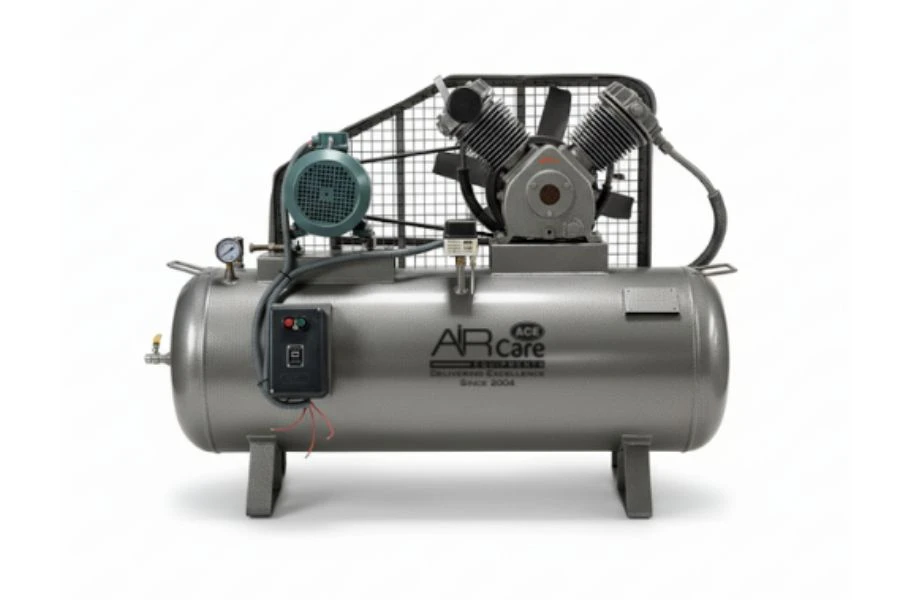
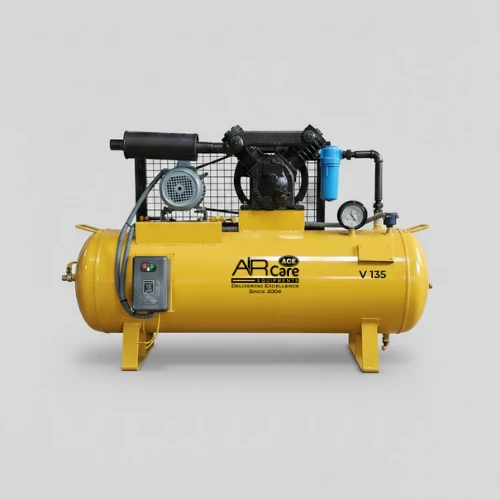
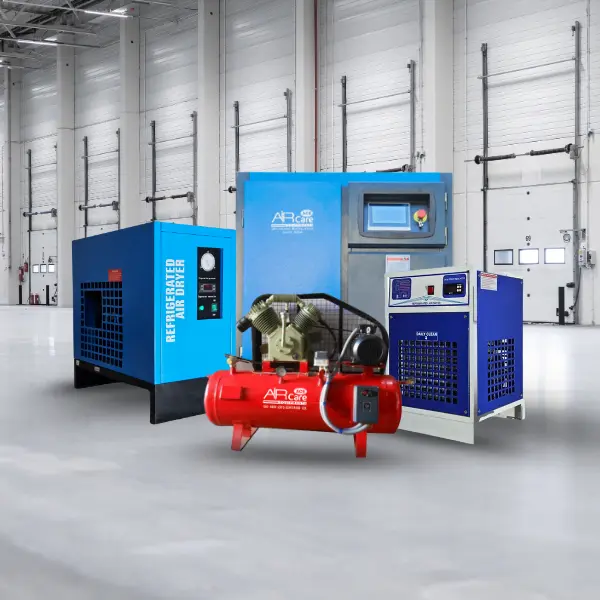
A Reciprocating Piston Compressor is one of the oldest and most widely used types of industrial compressors. Known for high-pressure capability, durability, and versatile performance, it remains a preferred choice for workshops, factories, and small to mid-scale industries. Many Air Compressor Manufacturers recommend these compressors for applications requiring intermittent yet powerful air delivery.
In this comprehensive guide, you’ll learn the working principle, key components, applications, and the role of accessories such as an Air Dryer Machine and Air Receiver Tank in optimising performance.
What Is a Reciprocating Piston Compressor?
A Reciprocating Piston Compressor compresses air using a back-and-forth piston motion inside a cylinder. The movement reduces air volume, creating high pressure. This makes it ideal for tasks requiring short bursts of compressed air at high pressure.
Compared to modern screw compressors, a Receiprocating Air Compressor is simple, robust, easier to maintain, and cost-effective.
Working Principle of a Reciprocating Piston Compressor
The operation is based on the reciprocating movement of a piston:
1. Suction Stroke
As the piston moves downward, it creates a vacuum inside the cylinder. The inlet valve opens, allowing fresh air to enter.
2. Compression Stroke
The piston moves upward, compressing the trapped air. When pressure exceeds the discharge valve limit, compressed air is released into the system.
3. Discharge
High-pressure air exits the cylinder and flows into storage equipment like an Air Receiver Tank.
This cycle repeats rapidly, producing a consistent supply of compressed air suitable for industrial applications.
Key Parts of a Reciprocating Piston Compressor
- Cylinder & Piston – Main components where compression occurs
- Crankshaft & Connecting Rod – Convert rotary motion to linear motion
- Inlet & Discharge Valves – Control air movement
- Flywheel – Improves efficiency and cooling
- Lubrication System – Reduces friction (except in Oil Free Air Compressors)
Some industries prefer Oil Free Air Compressors where clean, oil-free air is essential, such as pharmaceuticals, food processing, or electronics.
Why Use a Reciprocating Piston Compressor?
High-Pressure Output
Delivers higher pressure compared to many other compressor types.
Cost-Effective Maintenance
Parts are easily available and affordable.
Durable & Reliable
Suitable for heavy-duty tools and industrial machines.
Perfect for Intermittent Use
Ideal for workshops, garages, and small factories requiring periodic air usage.
Important Accessories for Better Performance
1. Air Dryer Machine
Removes moisture from compressed air, preventing corrosion, leakage, and damage to air-powered tools.
2. Air Receiver Tank
Stores compressed air, maintains consistent pressure, and supports peak demand.
3. Filters & Regulators
Ensure clean, dry, and controlled airflow for sensitive equipment.
These accessories significantly enhance the performance and life of a Reciprocating Air Compressor.
Applications of Reciprocating Piston Compressors
- Automotive service centres and garages
- Manufacturing processes
- Spray painting and finishing
- Pneumatic tools
- Packaging and printing
- Small to medium industrial machines
For industries requiring oil-free compressed air, Oil Free Air Compressors offer a safer alternative.
How to Choose the Right Reciprocating Piston Compressor – Buyer’s Guide
1. Determine Required Pressure & CFM
Match air demand with your tools and machinery.
2. Choose Between Single-Stage & Two-Stage
- Single-stage for lower pressure
- Two-stage for higher industrial pressure needs
3. Tank Size Matters
Larger Air Receiver Tanks stabilise pressure and reduce load on the compressor.
4. Consider Duty Cycle
Pick a compressor based on how long it needs to run continuously.
5. Select a Reputable Manufacturer
Choosing reliable Air Compressor Manufacturers ensures support, spare parts availability, and long-term service reliability.
Conclusion
A Reciprocating Piston Compressor is a powerful, reliable, and cost-effective solution for industries that need high-pressure compressed air. When paired with accessories such as an Air Dryer Machine and Air Receiver Tank, it delivers superior performance, better efficiency, and longer service life.
Whether you're upgrading your system or purchasing a new unit, selecting the right Industrial Air Compressor from trusted Air Compressor Manufacturers ensures maximum value and long-term durability.

















Sign in to leave a comment.