
The Importance of Structured Recovery After Injury
An injury interrupts normal movement patterns and forces the body to compensate. Muscles tighten to protect damaged tissues, joints lose mobility, and surrounding areas begin to overwork. Many people wait for pain to disappear before acting, but pain reduction does not equal healing. Real recovery requires restoring motion, strength, coordination, and stability together.
When people ignore proper rehabilitation, the body memorizes faulty movement patterns. These patterns create chronic stiffness and recurring flare-ups months later. Effective recovery focuses on correcting mechanics early, guiding tissue repair, and preventing long-term dysfunction. Structured care allows injured tissues to heal while maintaining safe mobility instead of complete inactivity.
Understanding How the Body Heals
The body follows three main healing stages: inflammation, repair, and remodeling. Each stage requires different support. During inflammation, swelling and sensitivity protect injured structures. Controlled movement prevents stiffness without worsening damage. During repair, the body produces new tissue fibers. These fibers remain weak and disorganized unless guided with precise motion.
During remodeling, the body strengthens tissue based on how a person moves. Poor posture or limited mobility teaches tissue to heal incorrectly. Guided rehabilitation encourages fibers to align along natural movement patterns. Active care speeds recovery because movement stimulates circulation and nutrient delivery. Proper treatment respects each phase instead of rushing back into normal activity too early.
Why Rest Alone Slows Recovery
Many people rely only on rest after injury. Rest reduces irritation initially but creates new problems quickly. Muscles weaken, joints stiffen, and coordination declines. The nervous system also becomes more sensitive, which makes minor movements feel painful.
Early controlled motion promotes circulation and prevents muscle shutdown. Gentle joint movement signals the brain that the area remains safe to use. This reduces protective tension and accelerates healing. Balanced recovery combines protection with movement. Patients who remain completely inactive often experience longer recovery periods than those who follow guided rehabilitation.
Identifying Hidden Movement Problems
Injury rarely affects only one location. The body distributes force across multiple joints during motion. If one joint stops moving properly, nearby areas compensate. For example, hip restriction can create knee pain, and shoulder tightness can cause neck discomfort.
Clinicians evaluate posture, walking patterns, joint range, and muscle activation. They analyze how the body transfers weight and absorbs force. These assessments identify the original mechanical problem rather than focusing only on the painful area. Correcting the source prevents recurring injuries and restores confidence in movement.
Building a Personalized Treatment Strategy
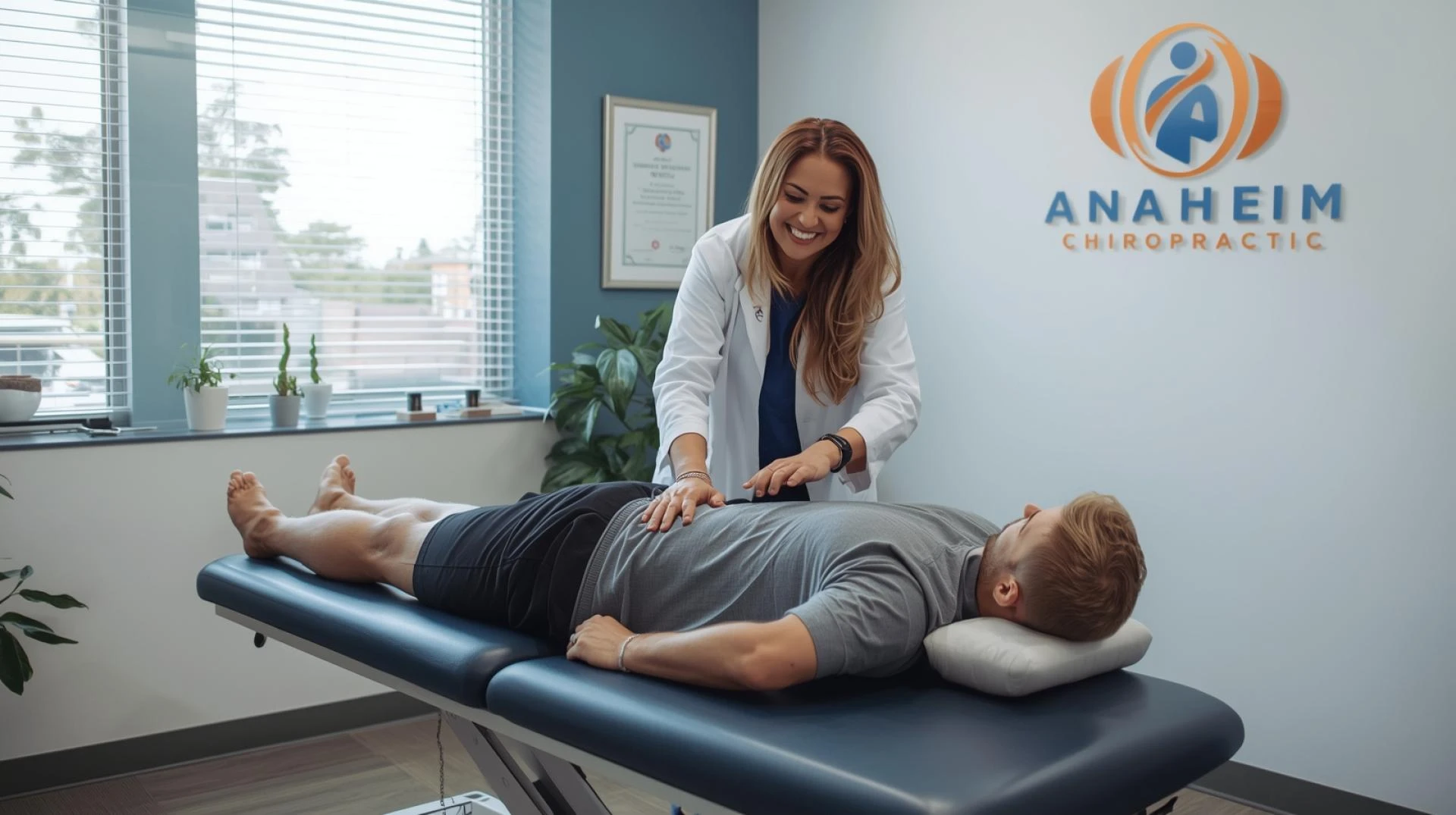
A chiropractor anaheim develops a recovery plan based on the patient’s specific injury and lifestyle demands. The plan combines joint mobility restoration, muscle activation, and movement retraining. Every exercise has a purpose: restore stability, balance strength, and protect healing tissue.
The chiropractor anaheim monitors progress weekly and modifies treatment intensity as tissues strengthen. Active care replaces generic routines with targeted rehabilitation. A chiropractor anaheim also teaches patients how daily habits influence healing speed. Proper sitting posture, safe lifting patterns, and controlled stretching prevent repeated irritation and support steady improvement.
Restoring Joint Mobility Safely
Restricted joints create pressure on surrounding muscles and nerves. Gentle manual adjustments restore movement without forcing painful motion. When joints move normally, muscles relax and circulation improves.
Improved joint motion reduces protective guarding. The nervous system decreases pain signals because the body senses stability again. Patients often notice smoother movement and reduced stiffness after consistent sessions. Mobility restoration prepares the body for strengthening exercises and prevents scar tissue from limiting long-term function.
Rebuilding Strength and Stability
After mobility returns, strengthening becomes essential. Weak stabilizing muscles allow joints to collapse under pressure, leading to reinjury. Rehabilitation focuses first on deep stabilizers, then larger movement muscles.
Therapeutic exercises improve coordination rather than only increasing power. Patients learn controlled movement before adding resistance. This progression protects healing tissue while building resilience. A chiropractor anaheim supervises exercise technique to ensure muscles activate correctly. Proper activation distributes load evenly and prevents overload on vulnerable structures.
Managing Pain Without Dependency
Pain often discourages movement, but excessive reliance on medication masks the underlying issue. Active recovery addresses the mechanical source of discomfort. Manual therapy reduces irritation while movement retrains the nervous system.
Patients learn breathing patterns and relaxation techniques that calm protective muscle tension. Gentle stretching maintains flexibility without aggravating tissue. A chiropractor anaheim guides patients toward self-management strategies that maintain progress between visits. This approach reduces dependency on passive treatments and encourages lasting improvement.
Preventing Reinjury During Daily Activities
Many injuries return because patients resume activities with old habits. Rehabilitation includes practical training for daily life. Patients practice lifting objects, climbing stairs, and performing work tasks with safe mechanics.
The chiropractor anaheim explains how posture affects joint load and teaches adjustments suited to the patient’s routine. Small changes such as hip hinging, balanced standing, and proper desk setup protect healing tissues. A chiropractor anaheim reinforces these habits during follow-up visits, ensuring the body maintains new movement patterns long after pain disappears.
Long-Term Maintenance and Performance Improvement
Recovery does not end when pain stops. The body continues adapting to movement demands. Periodic evaluations detect early stiffness before symptoms return. Preventive care maintains mobility and muscle balance.
Patients who continue mobility exercises and strength routines experience better endurance and fewer flare-ups. A chiropractor anaheim often transitions care from rehabilitation to performance optimization. This stage focuses on efficiency, flexibility, and coordinated motion. A chiropractor anaheim helps individuals return not only to normal activity but to stronger and safer movement than before the injury.



























Sign in to leave a comment.