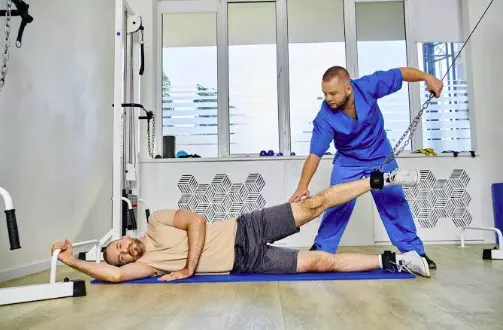

Training hard is only half the equation. How well your body recovers between workouts often determines how much progress you actually make, and how likely you are to deal with nagging soreness or overuse injuries along the way. Spa-based recovery treatments have become a genuine part of a lot of athletes' routines, not as a luxury add-on, but as a practical tool for managing soreness, tightness, and everyday training stress.
Why Recovery Deserves as Much Attention as Training
Muscles rebuild and adapt during rest, not during the workout itself. When recovery lags behind training intensity, it tends to show up as chronic tightness, nagging soreness that never fully resolves, or a plateau in performance despite consistent effort. Treatments that support circulation, ease muscle tension, and help the body relax can play a real role in keeping that recovery process on track.
Deep Tissue Massage: The Go-To for Chronic Tightness
For muscles that stay tight no matter how much you stretch, deep tissue massage is often the most effective option. It uses firm, targeted pressure to work through deeper layers of muscle, addressing tightness that builds up from repetitive training, whether that's tight hip flexors from running, a stiff upper back from lifting, or general full-body tension from a demanding training block.
It's worth noting that deep tissue work can leave you a bit sore the following day, similar to how muscles feel after a hard workout, so timing your session away from a big event or competition is generally a good idea.
Cupping: A Popular Add-On for Tight, Overworked Muscles
Cupping has become a familiar sight among athletes, and for good reason. The suction technique is often used to target particularly stubborn, overworked areas, especially the back, shoulders, and legs. Many athletes describe the sensation as an intense, satisfying release, different from a typical massage but complementary to it.
It's worth being realistic about the evidence here: research on cupping is still developing, and it's best viewed as a supportive addition to a recovery routine rather than a proven treatment for any specific sports injury.
Lymphatic Massage: Underrated for Managing Swelling and Heaviness
After intense training blocks, especially ones involving a lot of volume, some athletes experience a heavy, swollen feeling in their legs. Lymphatic massage uses very light, rhythmic strokes designed to support the body's natural fluid movement, which some athletes find helpful for that specific heavy, sluggish feeling that firmer massage styles don't really address.
Hot Stone Massage: Heat to Help Muscles Let Go
Warmth helps muscles relax more readily, which is the whole idea behind hot stone massage. For athletes dealing with widespread tightness rather than one specific problem area, the combination of heat and massage technique can make it easier for a therapist to work through tension without needing excessive pressure.
Acupuncture: Addressing Both the Physical and Mental Side of Training Stress
Beyond muscle tension, high training volumes come with real mental and physical stress. Acupuncture is often used by athletes not just for muscle-related tension but for general stress management, since intense training schedules can take a toll well beyond just the muscles themselves.
Building Recovery Treatments Into Your Training Schedule
A few practical ways athletes tend to work these treatments in:
After a particularly demanding training block. Rather than waiting until something feels seriously off, many athletes schedule a massage or cupping session proactively after weeks of high training volume.
During a deload or lighter training week. Since deep tissue work and cupping can leave you a bit sore, timing these sessions during a planned lighter week avoids compounding fatigue during peak training.
Before a competition, with caution. Some athletes prefer a lighter, relaxation-focused massage close to competition, saving more intensive deep tissue or cupping sessions for well before the event, since those can leave muscles feeling tender in the following day or two.
What These Treatments Can't Do
It's important to be realistic. Recovery treatments can genuinely support how your body feels and may help manage everyday tightness and stress, but they aren't a substitute for proper training load management, adequate sleep, and nutrition, and they can't fix an actual injury. If you're dealing with sharp pain, a specific injury, or something that isn't improving with rest, it's worth seeing a doctor or physical therapist rather than relying on massage or cupping alone.
Choosing a Provider Who Understands Athletes
Not every therapist has experience working with active, high-training-volume clients. A few things worth asking about:
- Whether the therapist or practitioner has experience working with athletes or active clients specifically
- Whether they ask about your training schedule and goals before choosing a treatment approach
- Whether they're upfront about which treatments pair well together and which might be better spaced out
- Whether they communicate clearly about expected soreness or downtime after more intensive treatments
Recovery Treatments for Athletes in Vienna, VA
If you're in the Vienna, Virginia area and training regularly, it's worth building recovery treatments into your routine rather than waiting until something feels off. Moon Lake Spa offers deep tissue massage in Vienna, VA for chronic tightness, along with cupping therapy as a popular add-on for overworked muscles. You can browse their full range of services at moonlakespa.com.
Frequently Asked Questions
How soon after a hard workout should I get a massage? This varies by person, but many athletes prefer waiting a day or two after very intense training to avoid adding more stress to already-fatigued muscles. A lighter, relaxation-focused massage can be reasonable sooner.
Is cupping better than massage for muscle recovery? They're not necessarily competing options. Many athletes use both, with cupping targeting particularly stubborn areas and massage addressing broader muscle tension.
Will a deep tissue massage make my muscles sore? It's common to feel some soreness the day after a deep tissue session, similar to post-workout soreness, so it's worth timing sessions away from important training days or competitions.
Can recovery treatments prevent injuries? They may help manage everyday tightness and support recovery, but they aren't a guaranteed way to prevent injury, and they don't replace proper training load management and rest.
Is lymphatic massage useful for athletes specifically? Some athletes find it helpful for managing the heavy, swollen feeling that can follow high-volume training blocks, since it's designed to support the body's natural fluid movement.
How often should an active person schedule recovery treatments? This depends on training intensity and personal preference, but many active people build in some form of recovery treatment every few weeks, adjusting based on how their body feels during heavier or lighter training periods.

























Sign in to leave a comment.