
Introduction
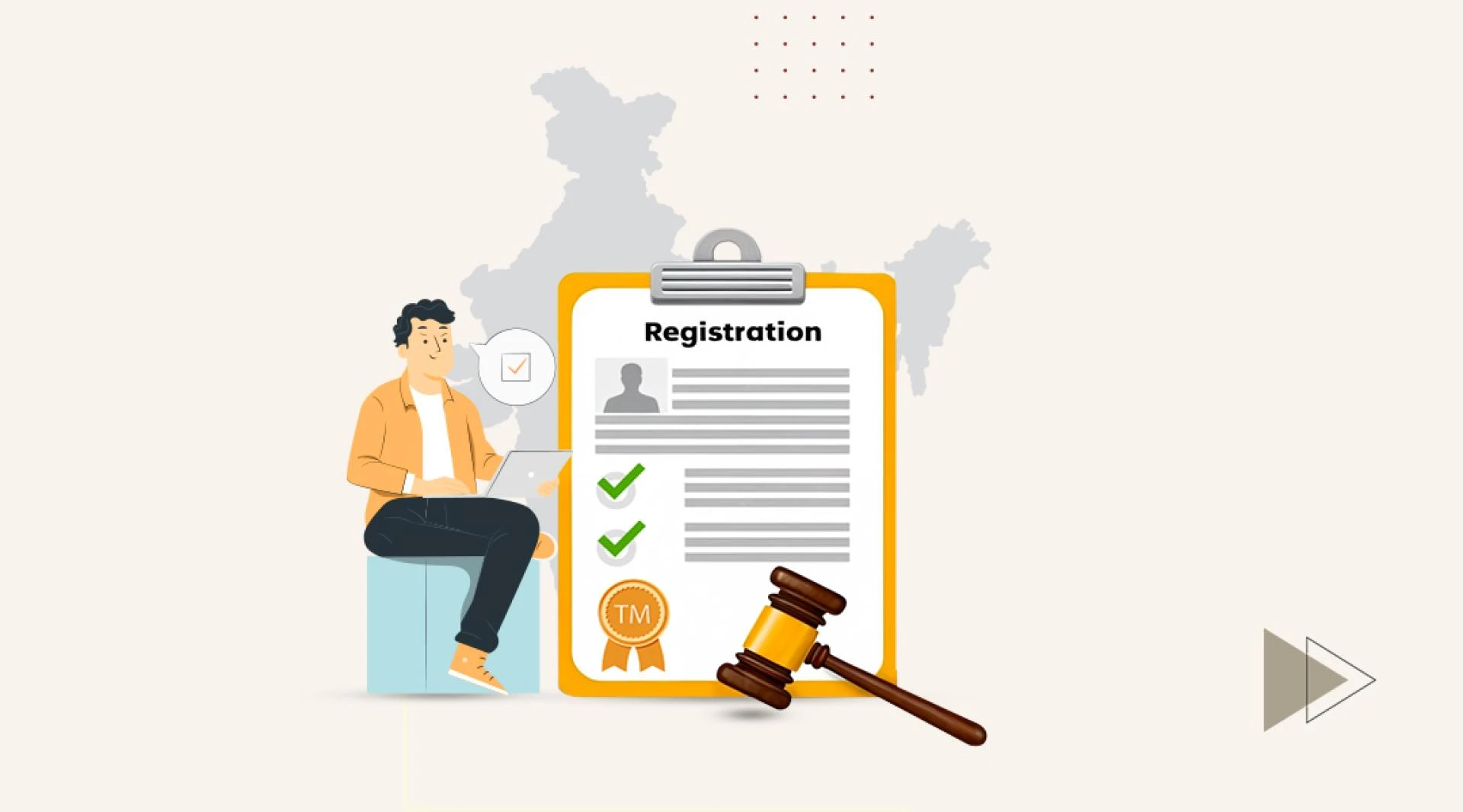
Trademark registration in India is an essential step for businesses and individuals seeking to protect their brand identity. A trademark acts as a unique identifier, distinguishing a company’s products or services from competitors. It could be a name, logo, slogan, design, or even a sound mark associated with a business.
With the rising competition in the Indian market, securing a trademark is no longer optional—it’s a necessity. Unauthorized use of a brand name can lead to confusion among consumers and potential loss of revenue. By registering a trademark, businesses gain exclusive legal rights to their brand, preventing others from using a similar mark.
So, who needs a trademark? Essentially, any business entity—be it a sole proprietorship, partnership, startup, or established corporation—should consider Registration of Trademark. Even individuals like authors, designers, and influencers can register a trademark to protect their creative works.
What is a Trademark?
A trademark is a recognizable sign, design, or expression that differentiates one brand from another. In India, trademarks are governed by the Trademark Act, 1999, which provides businesses with legal protection against unauthorized use.
Types of Trademarks
Trademarks come in various forms, including:
- Word Marks – Brand names like "Nike" or "Tata"
- Logo Marks – Visual symbols like the Apple logo
- Slogan Marks – Taglines like “Just Do It”
- Sound Marks – Unique audio identifiers like Nokia’s tune
- Color Marks – Distinctive color combinations (e.g., Cadbury’s purple)
- Shape Marks – Unique product shapes (e.g., the Coca-Cola bottle)
Examples of Trademarks in India
- Reliance Industries (Word Mark)
- Amul's “Utterly Butterly Delicious” (Slogan Mark)
- McDonald’s Golden Arches (Logo Mark)
- Yahoo’s Yodel (Sound Mark)
A registered trademark grants exclusive rights to the owner, allowing them to take legal action against infringers.
Benefits of Trademark Registration
Registering a trademark provides multiple advantages, ensuring brand security and long-term business growth.
1. Legal Protection
A registered trademark grants the owner exclusive rights to use the brand name and prevents others from using similar marks. If someone infringes upon a registered trademark, legal action can be taken against them.
2. Exclusive Ownership Rights
The trademark owner gets complete authority over the use of the mark in their registered category. This exclusivity prevents competitors from misleading customers by using a similar brand name.
3. Brand Recognition and Trust
Consumers are more likely to trust brands with registered trademarks. A trademark signifies authenticity and quality, increasing customer loyalty and business credibility.
4. Business Asset & Growth
A trademark is an intangible asset that adds value to the business. Companies can license or sell their trademarks for financial gain, and registered trademarks increase a brand’s worth in case of mergers or acquisitions.
5. Protection Against Counterfeiting
Counterfeit products using unregistered brand names often mislead customers. A registered trademark acts as a shield against counterfeiters, ensuring product authenticity.
Eligibility for Trademark Registration in India
Not everyone can register a trademark; certain eligibility criteria must be met.
Who Can Apply?
- Individuals – Freelancers, authors, and designers protecting their unique creations
- Businesses – Start-ups, small businesses, and corporations securing their brand identity
- NGOs and Societies – Organizations protecting their names and logos
- Foreign Companies – International brands expanding into the Indian market
Prohibited Trademarks
Certain trademarks are restricted from registration, such as:
- Generic terms (e.g., "Laptop" for a tech company)
- Deceptive marks (misleading names)
- Government symbols or national emblems
- Offensive or obscene words
Trademark Registration Process in India
The Trademark Registration Process involves multiple steps to ensure a unique and legally compliant trademark.
Step 1: Trademark Search
Before filing, a comprehensive search must be conducted to ensure that no similar trademarks exist. This reduces the chances of rejection.
Step 2: Filing the Application
Once uniqueness is confirmed, an application is filed with the Indian Trademark Registry (online or offline).
Step 3: Examination by the Trademark Office
The Registrar examines the application to check compliance with the law. If any issues are found, an objection notice is sent.
Step 4: Publication in the Trademark Journal
If the application passes the examination, the trademark is published in the Trademark Journal for public scrutiny.
Step 5: Opposition Period
After publication, third parties have four months to oppose the trademark. If no opposition is filed, it moves to the next step.
Step 6: Registration and Certification
If no objections arise, the trademark is officially registered, and the certificate is issued to the applicant.
Documents Required for Trademark Registration
To successfully register a trademark in India, you need to submit certain documents based on the applicant's entity type. Below is a list of essential documents required for trademark registration.
1. Identity Proof of the Applicant
- For individuals: Aadhar card, PAN card, passport, or voter ID
- For businesses: Certificate of Incorporation, GST registration, or partnership deed
2. Business Registration Proof
- Sole proprietorship: GST certificate or MSME registration
- Partnership firm: Partnership deed
- Private Limited Company or LLP: Incorporation certificate
3. Logo or Wordmark Representation
- If registering a logo, a high-resolution image in JPEG or PNG format
- If registering a wordmark, no logo is needed
4. Power of Attorney (If Applying Through a Trademark Agent or Attorney)
- This document authorizes an agent or attorney to file the trademark application on behalf of the applicant.
5. Address Proof of the Business Entity
- Utility bill (electricity/water bill)
- Rental agreement (if applicable)
Submitting complete and accurate documentation speeds up the approval process and prevents legal complications.
Trademark Classes and Classification System in India
India follows the Nice Classification System, which categorizes trademarks into 45 different classes based on the nature of goods and services.
Breakdown of Trademark Classes
- Class 1-34: This covers goods such as chemicals, pharmaceuticals, food, clothing, machinery, etc.
- Class 35-45: This covers services such as advertising, education, financial services, IT services, etc.
Selecting the Right Class for Your Business
- If your business involves manufacturing garments, choose Class 25.
- If you provide legal services, opt for Class 45.
- If you sell software or digital services, choose Class 42.
Selecting the correct trademark class is crucial to avoid rejections and legal disputes.
9. Duration and Validity of Trademark Registration
How Long Does a Trademark Last?
- A registered trademark is valid for 10 years from the date of registration.
- It can be renewed indefinitely in 10-year increments.
Trademark Renewal Process
- The renewal application (Form TM-R) must be filed before the expiry date.
- Renewal fees: ₹9,000 (online) or ₹10,000 (offline).
- If not renewed, the trademark is removed from the registry, and the owner loses all rights.
Consequences of Failing to Renew
- The trademark becomes vulnerable to infringement.
- Any third party can apply for the same mark after removal.
- Re-registration is possible but requires additional fees and legal procedures.
Regular renewal ensures continuous brand protection and prevents unauthorized use.
Common Reasons for Trademark Rejection
Several factors can lead to the rejection of a trademark application. Understanding these reasons can help avoid mistakes and improve approval chances.
1. Similarity with Existing Trademarks
- If a trademark closely resembles an already registered mark, it can be rejected.
- A thorough trademark search before application helps avoid this issue.
2. Descriptive or Generic Marks
- Common words like “Best Shoes” for a footwear brand cannot be trademarked.
- Trademarks must be distinctive and not general words used in everyday language.
3. Use of Prohibited Words and Symbols
- Government symbols, national emblems, and religious words (e.g., "Gandhi") are not allowed.
- Any offensive or misleading words can also lead to rejection.
4. Incorrect Classification or Documentation Errors
- Filing under the wrong class results in rejection.
- Incomplete or inaccurate information can delay or cancel the application.
To avoid these issues, conducting a proper trademark search and seeking professional guidance is highly recommended.
Trademark Opposition and Dispute Resolution
What is Trademark Opposition?
Once a trademark is published in the Trademark Journal, third parties have 4 months to file an opposition if they believe it infringes on their brand.
Filing an Opposition
- Any individual or company can file an opposition by submitting Form TM-O with the necessary evidence.
Responding to an Opposition
- The applicant must file a counterstatement within 2 months using Form TM-R.
- If the response is not submitted, the application is considered abandoned.
Legal Recourse in Case of Disputes
- Disputes are resolved in the Intellectual Property Appellate Board (IPAB) or civil courts.
- If the opposition is unsuccessful, the trademark gets registered.
- If the opposition is valid, the application is rejected, and the applicant may need to reapply with modifications.
Online Trademark Registration in India
The Controller General of Patents, Designs, and Trademarks (CGPDTM) offers an online portal for trademark filing.
Step-by-Step Guide to E-Filing
- Visit the IP India website (www.ipindia.nic.in).
- Conduct a trademark search to check availability.
- Register on the e-filing portal.
- Fill out Form TM-A and upload the required documents
- Pay the applicable fees.
- Track application status using the Trademark Application Number.
Benefits of Online Trademark Registration
- Faster processing compared to offline registration.
- Easy document submission and tracking.
- Reduced paperwork and processing errors.
Common Mistakes to Avoid
- Incorrectly selecting the trademark class.
- Not conducting a proper trademark search.
- Failing to respond to examination reports on time.
Online registration simplifies the process and ensures quicker brand protection.
Conclusion
The trademark registration process in India is a crucial step for businesses looking to protect their brand identity. From conducting a trademark search to filing an application and handling oppositions, every step plays a vital role in securing legal protection.
A registered trademark offers exclusive rights, brand credibility, and legal security—making it a valuable asset for any business. Ensuring proper documentation, selecting the correct class, and following the correct procedure will help in successfully registering a trademark in India.































Sign in to leave a comment.