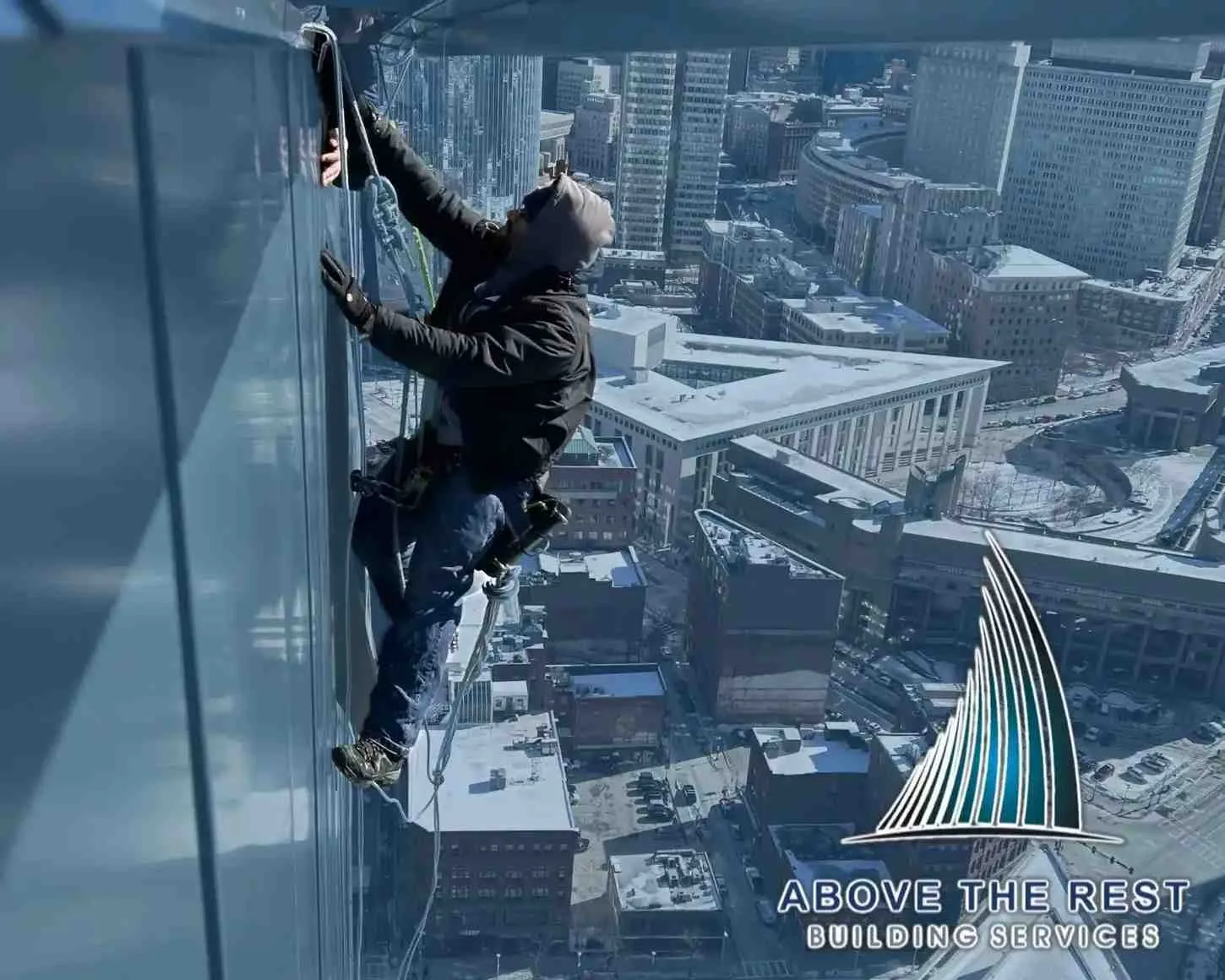

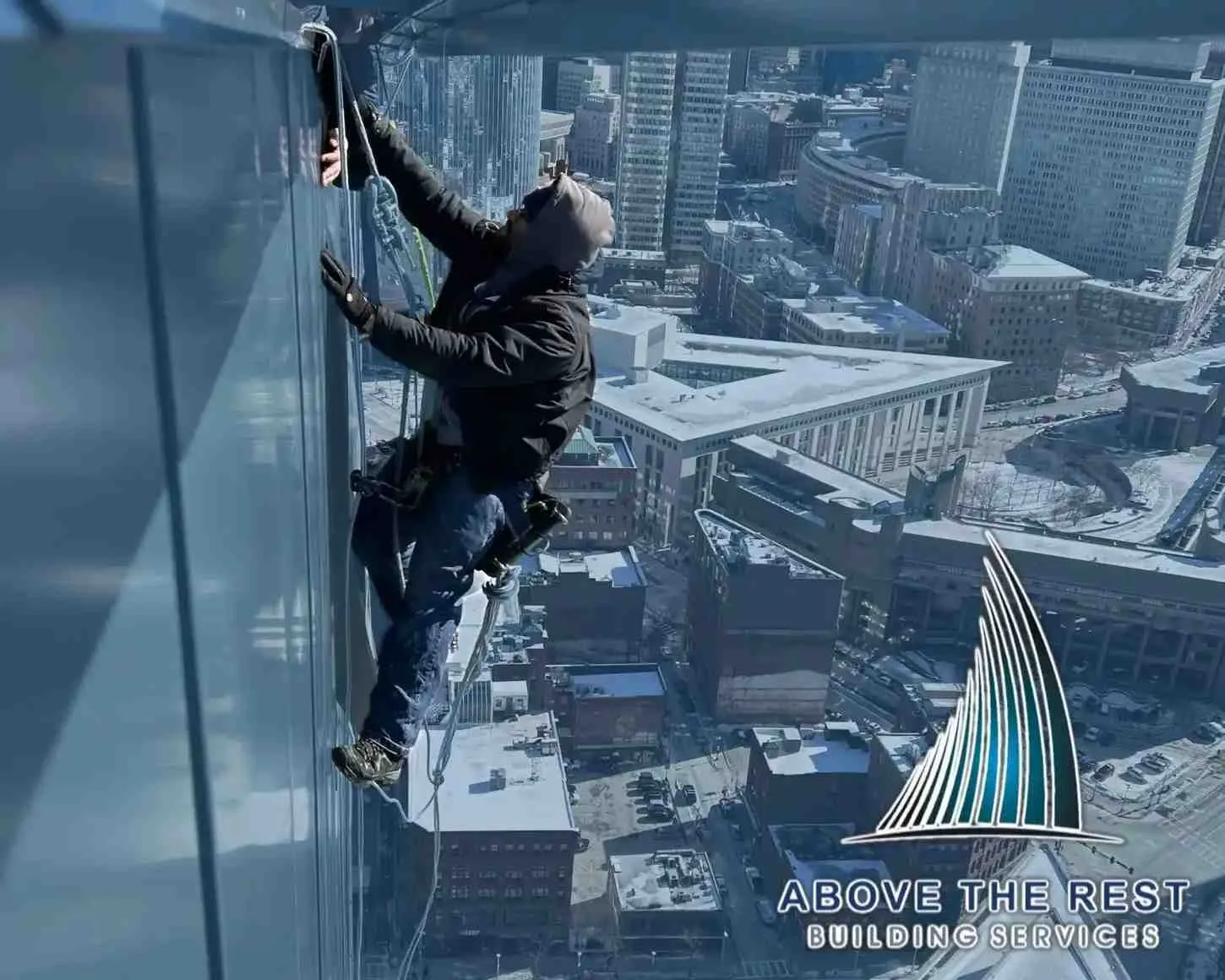
Commercial buildings are designed to withstand years of environmental exposure, but no exterior system is immune to wear. Rain, snow, wind, temperature fluctuations, and daily environmental conditions gradually affect the building envelope. While some signs of deterioration are easy to identify, many structural concerns develop beneath the surface long before they become visible.
This is why Regular Façade Inspections are an essential part of commercial property maintenance. Rather than waiting for cracks, leaks, or falling masonry to signal a problem, routine inspections allow property managers to identify developing issues early and plan repairs before they become larger and more expensive.
For commercial property owners and facility managers across New England, proactive façade inspections are not simply maintenance tasks. They are an investment in building safety, operational continuity, and long-term asset protection.
Your Façade Is Your Building's First Line of Defense
The façade is more than the exterior appearance of a building. It protects occupants and interior systems from moisture, wind, temperature changes, and other environmental conditions.
A properly maintained façade contributes to:
- Structural stability
- Moisture resistance
- Energy efficiency
- Occupant safety
- Long-term building performance
Over time, however, even high-quality construction materials experience natural deterioration. Sealants lose flexibility, masonry joints weaken, and small surface cracks begin to develop. Without periodic inspections, these early warning signs often remain unnoticed until significant repairs are required.
Routine Regular Façade Inspections provide valuable information about the condition of exterior systems, allowing property owners to address concerns before they affect the building's performance.
Small Defects Can Lead to Major Repair Costs
One of the most common reasons commercial buildings require extensive exterior restoration is that minor problems were allowed to progress unchecked.
For example, a small crack in masonry may appear insignificant, but repeated freeze-thaw cycles can gradually expand the opening. Moisture enters the damaged area, freezes during colder months, and continues widening the crack with each seasonal cycle.
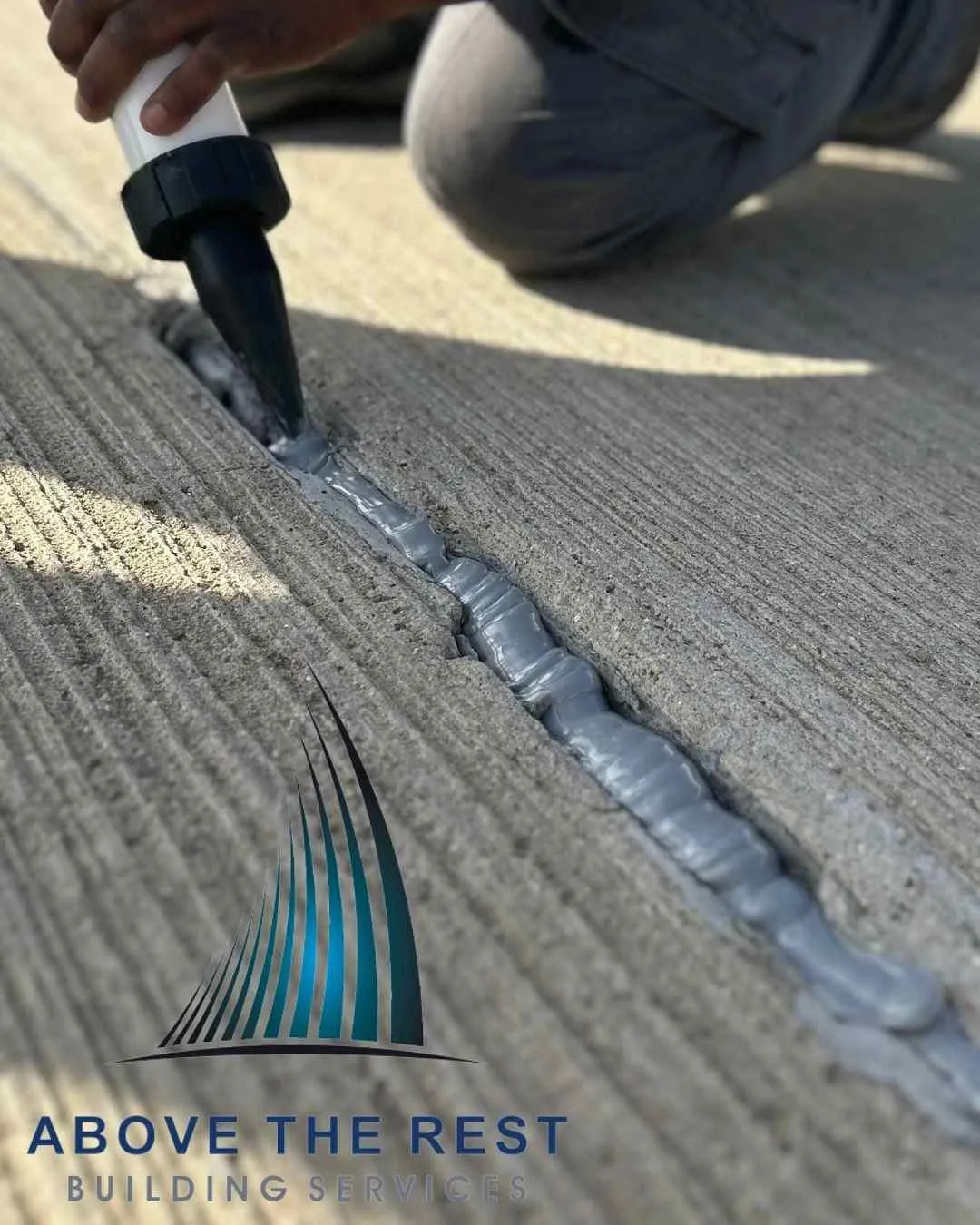
Similarly, deteriorated sealants around windows or expansion joints may allow water to penetrate behind exterior walls. What begins as a relatively simple maintenance issue can eventually lead to damaged insulation, interior finishes, corrosion, and more complex structural repairs.
Early identification through Regular Façade Inspections allows maintenance teams to correct these issues while repair costs remain manageable.
Protecting Occupants and Reducing Liability
Safety remains one of the most important reasons to inspect commercial building façades regularly.
Loose masonry, deteriorated concrete, damaged coping stones, and failing exterior materials can present serious hazards if they are not identified in time. In busy commercial areas, falling debris can place pedestrians, tenants, employees, and visitors at risk.
Routine inspections help property owners identify unstable materials before they become safety concerns, allowing repairs to be completed in a controlled and planned manner.
For commercial properties in cities where façade inspection programs are required or recommended, maintaining documented inspection records can also support regulatory compliance and responsible building management.
Moisture Is Often the Hidden Problem
Water intrusion is one of the leading causes of exterior building deterioration.
Once moisture enters through cracks, failed sealants, or damaged masonry, it can gradually affect multiple building systems. Damage may spread beyond the exterior wall, affecting insulation, structural framing, and interior finishes before occupants notice visible signs.
During Regular Façade Inspections, professionals evaluate vulnerable areas where water may be entering the building envelope.
If moisture-related concerns are identified, Commercial Waterproofing Services can help strengthen protection by sealing vulnerable areas before seasonal rainfall or winter weather increases the risk of further deterioration.
Addressing moisture issues early not only protects the building envelope but also helps prevent costly repairs that may affect both exterior and interior building systems.
Preventive Maintenance Protects Long-Term Property Value
Commercial buildings represent significant long-term investments. Protecting those investments requires more than responding to visible damage. A preventive maintenance strategy built around Regular Façade Inspections allows property owners to identify developing issues, prioritize repairs, and plan maintenance budgets with greater confidence.
Routine inspections provide valuable information about the overall condition of the building envelope. Instead of facing unexpected emergency repairs, property managers can schedule maintenance at the right time, reduce operational disruption, and extend the service life of exterior systems.
This proactive approach also supports stronger capital planning by helping building owners make informed decisions before small maintenance concerns become major restoration projects.
Supporting Services That Strengthen Façade Performance
A façade inspection is only the beginning. Once potential issues are identified, addressing them promptly is essential to preserving the building's integrity.
For example, inspections often reveal deteriorated mortar joints, cracked brick, or damaged concrete. In these situations, Commercial Masonry Repair restores structural stability and prevents moisture from entering vulnerable areas.
Exterior surfaces covered with dirt, biological growth, pollution, or seasonal residue can also make it difficult to evaluate the true condition of a building. Before detailed assessments or repairs begin, Professional Commercial Pressure Washing removes surface contaminants, allowing inspectors to identify defects more accurately.
When inspections reveal areas vulnerable to water penetration, Commercial Waterproofing Services provide additional protection by helping seal the building envelope against future moisture intrusion.
Together, these services create a comprehensive maintenance strategy that addresses both visible damage and the conditions that contribute to long-term deterioration.
Why Property Managers Should Schedule Inspections Before Problems Appear
Waiting until cracks become visible or water enters the building often results in higher repair costs and more complex restoration work.
Scheduling Regular Façade Inspections allows commercial property owners to:
- Detect hidden deterioration before it becomes severe
- Improve occupant and public safety
- Reduce emergency repair expenses
- Extend the lifespan of exterior building materials
- Support compliance with local inspection requirements
- Improve long-term maintenance planning
- Protect the property's appearance and value
For commercial properties across New England, inspections performed on a routine schedule help maintain safe, reliable, and professionally managed buildings.
Why Choose Above The Rest Building Services?
Commercial façade systems require specialized knowledge, safe access solutions, and experienced professionals who understand how exterior building components perform over time.
Above The Rest Building Services provides comprehensive exterior maintenance solutions for commercial properties throughout New England. The company works with office buildings, healthcare facilities, educational campuses, multifamily communities, industrial properties, and commercial real estate portfolios to help maintain safe and durable building envelopes.
Following Regular Façade Inspections, the team can perform related services such as Commercial Masonry Repair, Commercial Waterproofing Services, and Professional Commercial Pressure Washing when they are appropriate for the building's condition. This coordinated approach helps property managers resolve developing issues before they lead to more extensive structural deterioration.
With experienced crews, specialized high-access equipment, and a strong commitment to safety, Above The Rest Building Services supports proactive maintenance strategies that protect commercial buildings for the long term.
Frequently Asked Questions
Why are Regular Façade Inspections important?
Regular Façade Inspections help identify cracks, deteriorated sealants, loose masonry, moisture intrusion, and other developing issues before they become major structural or safety concerns.
How often should commercial façades be inspected?
Inspection frequency depends on the building's age, location, exposure to weather, and local regulations. Routine inspections provide the best opportunity to identify maintenance needs early.
Can façade inspections reduce repair costs?
Yes. Identifying and repairing small issues early is generally far less expensive than addressing advanced deterioration, emergency repairs, or extensive restoration projects.
What problems are commonly found during façade inspections?
Inspectors frequently identify cracked masonry, deteriorated mortar joints, failed sealants, water intrusion, loose exterior materials, and weather-related surface deterioration.
Are façade inspections only necessary for older buildings?
No. Buildings of all ages benefit from routine inspections. Even newer commercial properties can experience weather-related wear, construction movement, or maintenance issues that should be addressed before they worsen.
Conclusion
The true cost of neglecting a commercial façade is rarely visible in the beginning. Minor cracks, failing sealants, and hidden moisture intrusion often develop gradually, but the financial impact can grow significantly if these issues remain unaddressed.
By scheduling Regular Façade Inspections, commercial property owners gain valuable insight into the condition of their buildings, allowing maintenance teams to take corrective action before repairs become more extensive and disruptive.
For commercial properties throughout New England, proactive inspections are more than a maintenance requirement. They are a practical strategy for protecting occupants, preserving property value, extending the life of exterior building systems, and supporting long-term operational success. Investing in routine façade inspections today can help prevent unexpected expenses and maintain stronger building performance for years to come.




























Sign in to leave a comment.