The online wellness industry is booming. From herbal supplements and collagen powders to resistance bands for Pilates, millions of consumers now prefer to buy wellness products online for the convenience, variety, and competitive prices.
However, this convenience comes with an often-overlooked trade-off — regulatory uncertainty and product safety risks. Unlike buying in a physical store where you can inspect labels and packaging, the online wellness market depends heavily on trust, transparency, and compliance with health regulations that many sellers fail to meet.
In fact, a 2024 report by McKinsey & Co. estimated that nearly 30% of online wellness brands operate without full compliance with local health and labeling laws. This means the supplements, skincare products, or even the best resistance band set for home workouts you find online may not always meet the standards you assume they do.
This blog dives into the regulations, certifications, and red flags every consumer should understand before clicking “Add to Cart.”
A. Understanding the Wellness Product Category: More Than Just Supplements
The term “wellness product” covers a wide range of goods — from vitamins, adaptogens, and essential oils to yoga mats, smart health trackers, and resistance bands for Pilates. Each of these falls under different regulatory frameworks, depending on the country and product type.
Supplements & Consumables
- Regulated as dietary supplements or nutraceuticals.
- In the U.S., these are overseen by the FDA under the Dietary Supplement Health and Education Act (DSHEA).
- In India, the FSSAI (Food Safety and Standards Authority of India) regulates supplements, nutraceuticals, and health drinks.
Fitness & Wellness Equipment
- Items like resistance bands for home workouts or fitness gear fall under consumer product safety categories.
- In the U.S., the CPSC (Consumer Product Safety Commission) oversees such items.
- In the EU and UK, look for CE marking, which indicates that the product meets safety, health, and environmental protection standards.
Takeaway: Not all wellness items are treated equally under the law. Understanding how your product is categorized determines how strictly it is regulated — and therefore, how safe it may be.
B. Why Online Wellness Markets Are a Gray Zone
E-commerce has made wellness more accessible but also harder to regulate. Marketplaces like Amazon, Flipkart, and small niche wellness stores often aggregate products from multiple sellers, some of whom may not follow required safety or labeling protocols.
Key Challenges:
- Cross-border sellers: Imported wellness products may not meet your country’s regulatory standards.
- Private labeling loopholes: Some brands repackage third-party products under their own names without proper quality checks.
- Algorithmic promotion: Online platforms may promote “trending” or “high-selling” items, not necessarily the safest or most compliant ones.
According to Statista (2024), global online wellness product sales crossed $630 billion, but consumer trust remains the biggest challenge, with 1 in 5 buyers reporting misleading claims or inconsistent product quality.
C. Label Literacy: How to Read (and Decode) Product Information
When you buy wellness products online, product labels are your first line of defense. Yet, few shoppers know what to look for.
Checklist for Supplements or Consumables:
Ingredient list — Avoid products hiding behind “proprietary blends.”
Manufacturer details — Legitimate brands include full addresses and contact info.
Expiry & batch number — Missing details may signal counterfeits.
Certifications — Look for FSSAI (India), GMP, ISO, or third-party testing seals.
Claims — Be wary of phrases like “miracle cure” or “guaranteed weight loss.”
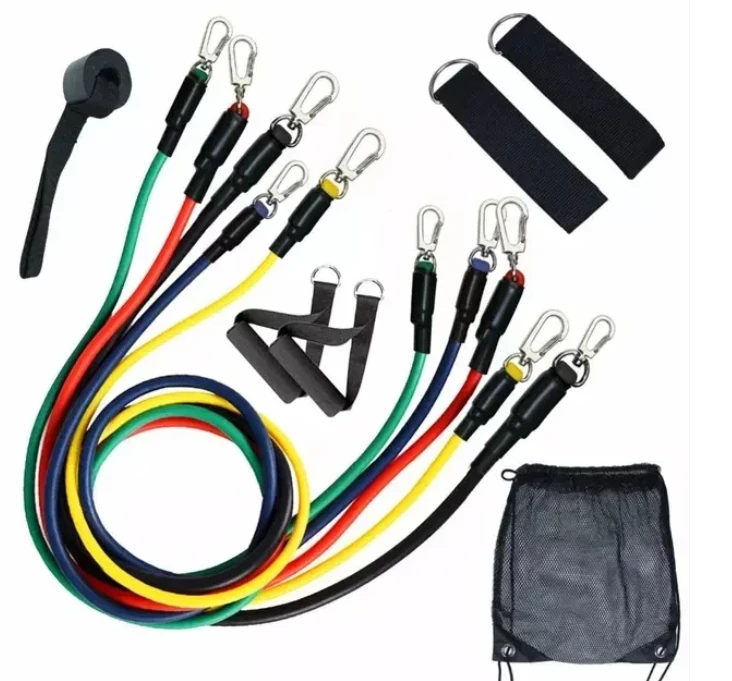
Checklist for Equipment (e.g., Resistance Bands for Pilates):
Material type — High-quality latex or TPE is more durable and less likely to snap.
Safety testing — Products should comply with CPSC or CE standards.
Resistance levels — Verified sets clearly indicate tension strength (e.g., 10–50 lbs).
Brand authenticity — Avoid non-branded sets without warranty or instructions.
D. The Hidden Dangers of Non-Compliant Products
Buying from unregulated or uncertified sellers might save you money upfront, but the long-term consequences can be serious.
For Consumables:
1. Contaminated or adulterated ingredients can cause allergic reactions, toxicity, or digestive issues.
2. Unverified supplements might contain banned substances or incorrect dosage levels. Example: A 2023 Harvard Health study found 11% of supplements sold online contained undeclared ingredients not approved by the FDA.
For Equipment:
- Poor-quality resistance bands or cheap fitness gear can snap under tension, causing injuries.
- Inconsistent labeling (e.g., claiming 20 lbs resistance when it’s actually 10 lbs) misleads training results and safety assumptions.
Case Study:
In 2024, a UK-based wellness e-store was fined after multiple injuries occurred due to defective resistance bands lacking CE certification. The incident triggered an industry-wide reminder on verifying compliance documentation before selling.
E. Global Regulatory Landscape: What Buyers Should Know
Across the world, wellness product safety is governed by a network of regulatory bodies that set standards for labeling, ingredient disclosure, and consumer protection. In the United States, the Food and Drug Administration (FDA) and the Consumer Product Safety Commission (CPSC) oversee labeling accuracy and product safety for supplements and wellness equipment. The European Union enforces strict guidelines through the European Food Safety Authority (EFSA) and CE certification, ensuring products meet composition, packaging, and testing requirements.
In India, the Food Safety and Standards Authority of India (FSSAI) and the Central Drugs Standard Control Organization (CDSCO) regulate nutraceuticals and enforce safety certifications before products reach consumers. Australia’s Therapeutic Goods Administration (TGA) monitors supplements and therapeutic goods, while Health Canada governs natural health products and overall consumer safety. Together, these agencies form the backbone of consumer trust in wellness markets.
However, their enforcement power often weakens when products cross borders or are sold through third-party e-commerce platforms, creating regulatory blind spots that buyers must navigate carefully.
F. How to Vet a Wellness Brand Before You Buy
You don’t need to be an expert to spot red flags — just a smart, informed shopper. Here’s a step-by-step approach:
- Check Brand Authenticity: Visit the brand’s official website. Look for real company information, physical addresses, and customer support.
- Scan Certifications: For supplements, look for GMP, ISO, or third-party lab testing seals, check for CE marking or CPSC compliance.
- Review User Feedback Critically: Verified buyer reviews matter. Look for patterns — repeated mentions of smell, packaging inconsistencies, or lack of results could be warning signs.
- Compare Prices with Market Standards: If the best resistance band set for home workout is being sold at half the market rate, it’s probably too good to be true.
- Avoid Over-Promising Claims: Be skeptical of ads guaranteeing “10x faster recovery” or “instant results.” Authentic brands rely on science, not exaggeration.
G. Why Verified Platforms Matter?
To ensure safety and authenticity, buy wellness products online only from verified platforms that enforce seller compliance.
Trusted E-commerce Features to Look For:
- “Verified Seller” or “Fulfilled by Platform” badges
- Clear refund or return policies
- Availability of product safety reports
- Transparent customer review systems
According to a 2024 PwC Consumer Trust Report, buyers who purchase from verified wellness e-commerce platforms are 46% less likely to face issues with counterfeit or unsafe products.
The Future of Safe Online Wellness Shopping
The future of wellness e-commerce is shifting toward AI-driven verification and traceability. Some platforms are already integrating:
- Blockchain-backed product authenticity tracking
- AI-powered compliance scanning for misleading claims
- Augmented reality (AR) to inspect ingredients or equipment virtually before buying
In short, the next generation of consumers will demand not just health benefits, but verified safety and ethical production.
Conclusion: In Wellness, Trust is the Real Product
Buying online wellness products — whether herbal supplements or resistance bands for Pilates — should never be a leap of faith. Understanding regulatory standards, checking certifications, and verifying brand authenticity empower you to make safer, smarter choices.
As wellness continues to merge with digital convenience, remember:
The best resistance band set for home workout or the most effective supplement isn’t just about performance — it’s about safety, transparency, and accountability.
So next time you buy wellness products online, pause, inspect, and verify — because in the wellness world, an informed buyer is the healthiest one.





























Sign in to leave a comment.