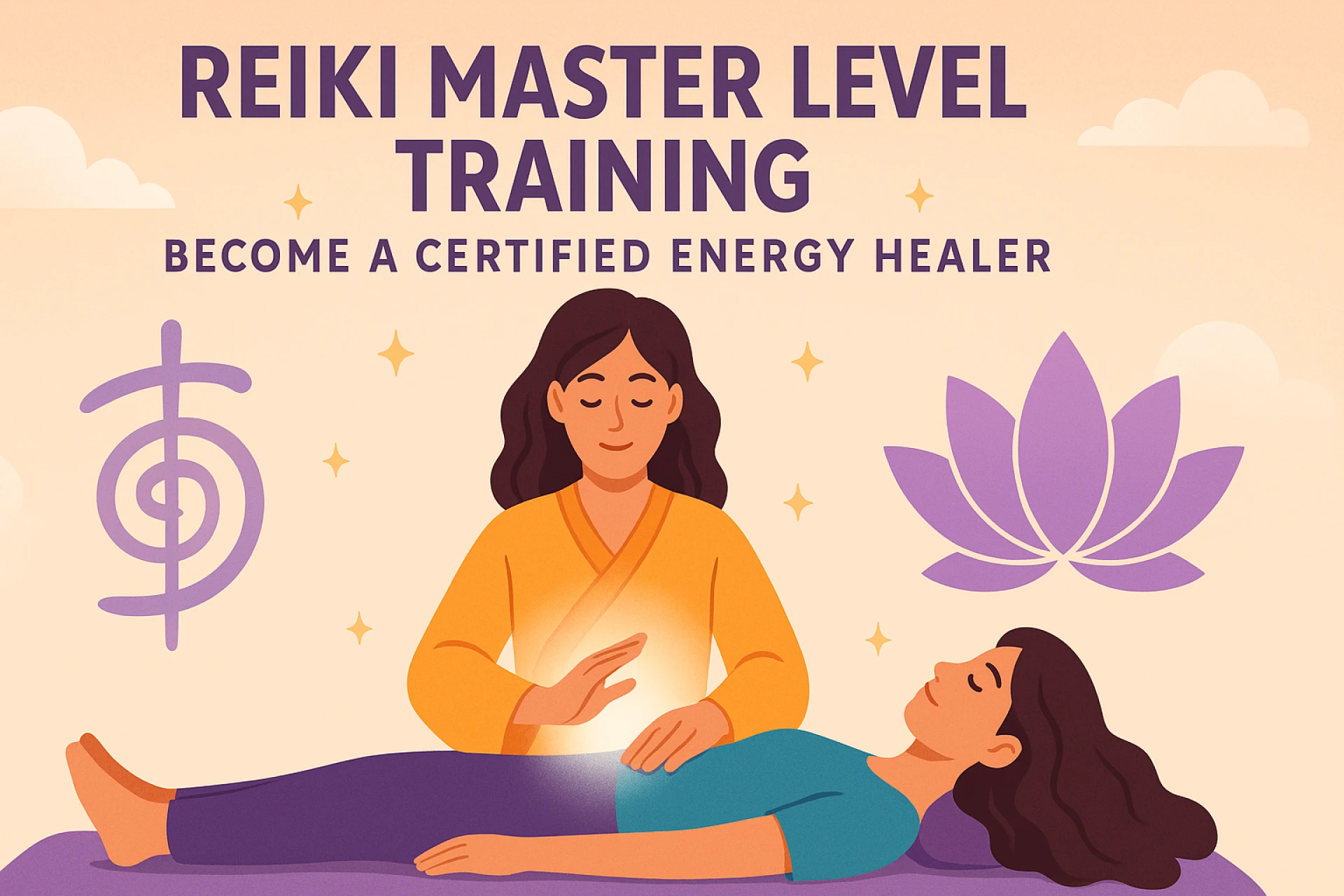

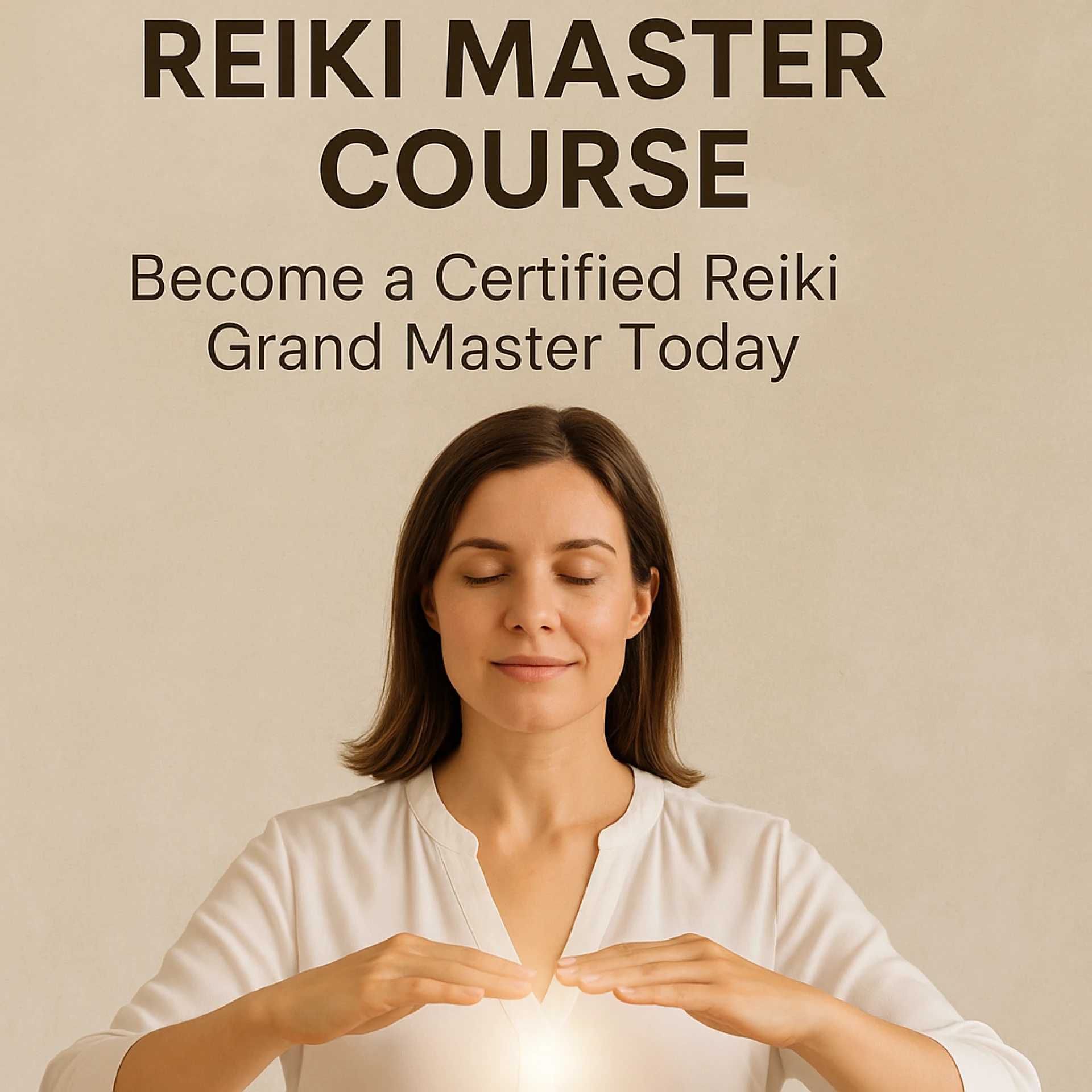
Reiki has moved from a niche practice into a globally recognized complementary approach to wellness. For those who want to deepen their practice and guide others, Reiki Master Level Training offers an advanced path. This article explores what the training typically involves, who benefits, what to expect in a reiki masters course, and how reiki masters integrate Reiki classes into their professional and personal lives — all written in an objective, third-party voice to inform rather than promote.
What is Reiki Master Level Training?
Reiki Master Level Training is the advanced stage in the traditional Reiki system, usually following first-degree (Level I) and second-degree (Level II) teachings. At this level, practitioners learn deeper energetic techniques, advanced symbols, and — in many lineages — the ability to teach and attune new students. A properly structured reiki masters course combines practical sessions, theory, ethical practice, and supervised treatments to build competence and confidence.
Who typically takes a Reiki master course?
People who enroll in Reiki classes at the master level come from varied backgrounds: healthcare workers, complementary therapy practitioners, counselors, and individuals seeking a deeper personal practice. They often share a commitment to ethical care, self-awareness, and ongoing study. Although the training supports hands-on healing skills, it is distinct from clinical training and is best described as a complementary skill set that operates alongside, not instead of, conventional medical care.
Core components of a reiki masters course
A comprehensive reiki masters course commonly includes the following elements:
- Advanced energy techniques and symbols — deeper instruction on lineage symbols and their applications.
- Teaching methodology — how to prepare and conduct authentic Reiki classes for beginners and intermediate students.
- Attunements or initiations — ritualized transmissions that are traditionally part of the master level.
- Professional ethics and boundaries — frameworks for practicing responsibly and referring when appropriate.
- Supervised practice — hands-on sessions with feedback to refine sensitivity and technique.
- Self-care and personal development — practices to maintain balance and avoid burnout.
This structure helps transition a student into a role where they can both give treatments and responsibly pass on the practice.
What students can expect during training
Training formats vary widely — from weekend intensives to programs spread over months. Classes blend demonstration, practice, discussion, and reflective exercises. A typical day might include a short lecture, a guided practice session, paired treatments, and time for questions. Many reiki masters emphasize that developing energetic sensitivity takes ongoing practice, and the course is framed as the beginning of a deeper study rather than a final destination.
Ethical considerations and safety
Reputable Reiki classes and reiki masters courses stress informed consent, confidentiality, and the limits of Reiki as a complementary modality. Trainers generally discourage claims that Reiki cures specific medical conditions. Instead, emphasis is placed on supporting clients’ wellbeing, recognizing when to refer to licensed health professionals, and maintaining clear boundaries.
Testimonials
“After completing the Reiki Master Level Training, the practitioner reported greater clarity about teaching structure and felt more grounded during sessions. Peer feedback during supervised practice was especially valuable.” — Participant, Master Course (anonymous)
“The reiki masters course offered practical tools for maintaining energetic hygiene and a calm teaching presence. It shifted how the person approached both self-care and client sessions.” — Graduate, Master Level Program (anonymous)
(These reflections represent common feedback from participants in advanced training settings; specific programs will vary.)
How Reiki masters apply their training
Once trained, reiki masters may:
- Lead Reiki classes for Levels I and II.
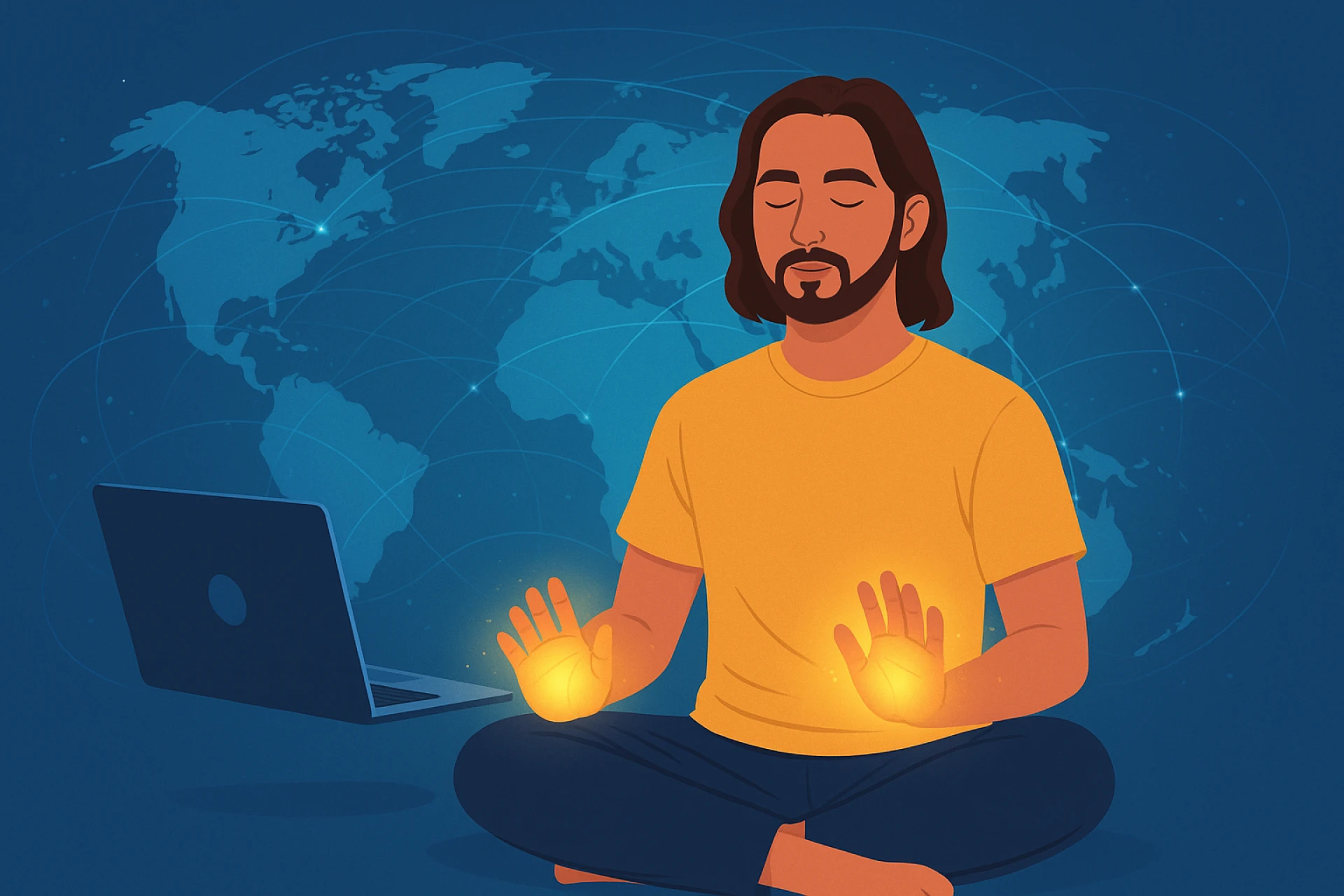
- Offer one-to-one master-level treatments and distant sessions.
- Integrate Reiki into holistic wellness services or personal spiritual practice.
- Mentor newer practitioners or form peer supervision groups.
Many also continue their own development through workshops, personal study, and inter-lineage exchanges.
Frequently Asked Questions (FAQs)
Q: How long does a typical Reiki Master Level Training take?
A: Formats vary. Some courses are intensive weekend retreats; others spread training over several months with practice requirements. Prospective students should review syllabi to match learning preferences.
Q: Will becoming a Reiki Master allow someone to legally practice professionally?
A: Certification practices differ by region. Holding a master-level certificate shows advanced training in Reiki, but local rules about complementary therapies and business licensing should be checked.
Q: Are there prerequisites for a reiki masters course?
A: Most programs require completion of Level I and II in the same lineage or equivalent verified training. Some trainers ask for a minimum period of practice between levels.
Q: Can Reiki replace medical treatment?
A: No. Reiki is a complementary practice and should not replace medical diagnosis or treatment. Ethical reiki masters encourage clients to consult licensed health professionals for medical concerns.
Q: Do all lineages teach attunements the same way?
A: No. Methods, symbols, and rituals differ between lineages and trainers. Students are encouraged to choose courses aligned with their values and to ask about training content beforehand.
Choosing a program: what to look for
When evaluating a reiki masters course or Reiki classes, consider transparency of curriculum, instructor experience, opportunities for supervised practice, and how the program addresses ethics. A reputable trainer will clearly communicate learning outcomes, prerequisites, and the practical commitments expected of students.
Conclusion
Reiki Master Level Training offers an advanced route for those committed to deepening their practice and sharing Reiki with others. The best reiki masters course balances technique, teaching skills, and ethical practice, and equips reiki masters to support both personal growth and the wellbeing of others. As with any complementary approach, clear communication, ongoing learning, and collaboration with medical professionals form part of a responsible practice.
Final note
Readers exploring Reiki classes or advanced training are advised to research programs carefully, speak with former students where possible, and consider how the training fits their personal and professional goals. Reiki is described by practitioners as a lifelong practice; the master level is one step along that path.



























Sign in to leave a comment.