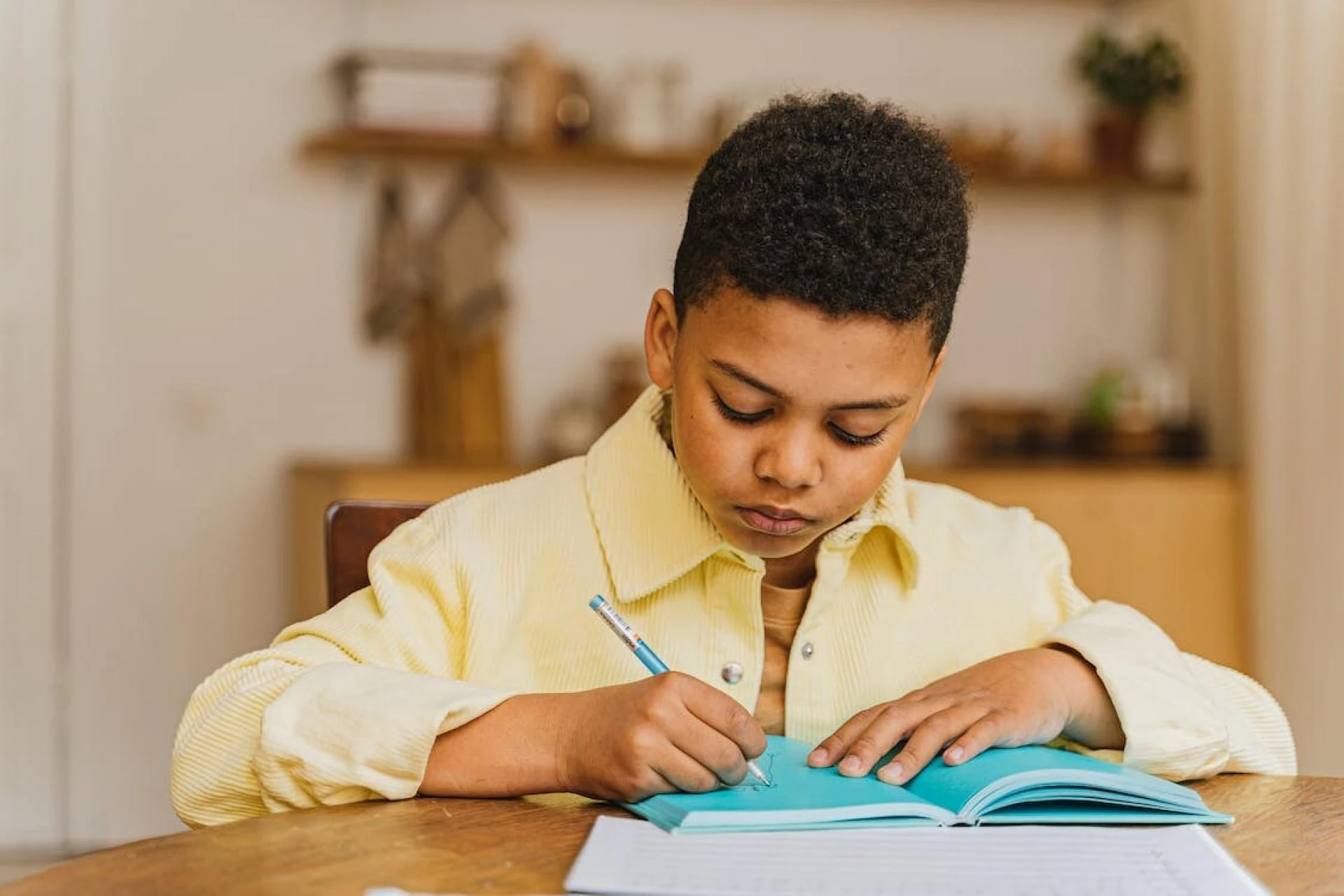

Teaching children with special needs requires a nuanced approach that goes beyond conventional methods. As educators, it's imperative to adapt and innovate traditional teaching techniques to meet the diverse needs of every child.
In this guest post, we'll explore how reimagining traditional methods can create inclusive learning environments for children with special needs. We'll also explore practical strategies and approaches that cater to individual differences, fostering a supportive and enriching educational experience.
Understanding the Diverse Needs of Neuro-atypical Children
Children with special needs encompass a spectrum of abilities, challenges, and learning styles. Depending on the nature of their condition, each child presents unique strengths and areas for growth. Here are some examples:
Sensory Processing Difficulties:Some children with special needs, such as those with autism spectrum disorder (ASD) or sensory processing disorder (SPD), may experience challenges in processing sensory information from their environment. They may be hypersensitive to certain stimuli, such as loud noises or bright lights, or hyposensitive, seeking out sensory input to meet their needs.Communication Disorders:Children with communication disorders, such as speech and language impairments or autism spectrum disorder, may struggle to express themselves verbally or understand language effectively. They may have difficulty with speech articulation, expressive language skills, receptive language comprehension, or social communication.Executive Functioning Challenges:Children with executive functioning challenges, such as those with ADHD or specific learning disabilities, may struggle with organization, time management, task initiation, and impulse control. They may have difficulty following multi-step instructions, completing assignments, or managing their materials and responsibilities independently.Traditional teaching methods, while effective for some, may not adequately address the diverse needs of all children with special needs. That’s why it's essential to recognize that one size does not fit all in education, especially when it comes to supporting children with diverse learning profiles.
Adapting Traditional Teaching Methods
1. Visual Learning
Visual aids and materials can be powerful tools for children with special needs, particularly those with autism spectrum disorder or ADHD. Incorporating visual schedules, graphic organizers, and pictorial representations can enhance comprehension and retention of information. By providing visual cues and prompts, educators can support students in organizing their thoughts, following routines, and understanding abstract concepts.
2. Multi-Sensory Learning
Engaging multiple senses simultaneously can enhance learning experiences for children with special needs. Integrating tactile, auditory, and kinesthetic elements into lessons can accommodate diverse learning styles and preferences. For example, incorporating hands-on activities, interactive games, and sensory materials can make learning more meaningful and accessible for children with sensory processing difficulties or motor challenges.
3. Differentiated Instruction
Recognizing the individual strengths and needs of each child is fundamental to effective teaching. Differentiated instruction allows educators to tailor instruction and learning activities to meet the unique needs of every student. By offering varied levels of support, scaffolding, and pacing, educators can ensure that all children have opportunities to succeed and progress at their own pace.
4. Technology Integration
Technology can be a valuable tool for children with special needs, offering opportunities for personalized learning and skill development. Educational apps, assistive technologies, and adaptive software can provide tailored support for children with diverse needs, including communication difficulties, executive functioning challenges, and sensory sensitivities. By leveraging technology strategically, educators can create inclusive learning environments that empower children to access curriculum content, communicate effectively, and develop essential skills for independence.
5. Social-Emotional Learning
Addressing the social and emotional needs of children with special needs is critical for their overall well-being and success in school. Incorporating social-emotional learning (SEL) into the curriculum can help children develop self-awareness, self-regulation, and interpersonal skills. Through explicit instruction, modeling, and practice, educators can foster a supportive classroom climate where empathy, resilience, and positive relationships thrive.
6. Utilizing Visual Schedules and Timers
Visual schedules and timers provide structure and predictability for children with special needs, helping them understand expectations and transitions throughout the day. By incorporating visual schedules into the classroom routine and using timers to signal transitions between activities, educators can support students in managing their time effectively and reducing anxiety associated with changes in routine.
7. Implementing Peer-Mediated Instruction
Peer-mediated instruction involves pairing students with special needs with typically developing peers to facilitate social interaction and learning. Through collaborative activities, peer modeling, and peer support strategies, students with special needs can develop social skills, communication abilities, and positive relationships with their peers.
8. Promoting Self-Advocacy and Independence
Encouraging self-advocacy and independence is essential for empowering children with special needs education center in Hyderabad, to take ownership of their learning and navigate the world around them. Educators can promote self-advocacy skills by teaching students to articulate their needs, preferences, and goals, and advocating for accommodations and supports that enable their success.
KARUNA – The Best Special Needs School in Hyderabad
By recognizing the unique challenges and strengths of each child, educators can implement tailored strategies and accommodations to promote academic growth, social-emotional development, and overall well-being.
For more insights on supporting diverse learning needs and fostering inclusive education environments, explore the resources and programs offered by KARUNA School. Their multidimensional model emphasizes personalized support, to empower special needs children on their educational journey.
Visit their website today to learn more about their processes.
About The Author
The author is a clinical educationist with over a decade of experience designing curriculums for children with special needs. They occasionally write helpful blogs and guides for KARUNA School.
























Sign in to leave a comment.