Expanding Production Capabilities With Innovative Coil Processing Products


Modern metal manufacturing depends on equipment that can transform raw coil material into accurately processed sheets, strips, and blanks. Coil processing products support these operations by combining specialized machinery for feeding, leveling, slitting, cutting, and material handling. Each piece of equipment contributes to production quality, operational efficiency, and the ability to meet different customer requirements. Manufacturers selecting suitable processing solutions can improve workflow coordination, reduce unnecessary material handling, and maintain consistent output. The right equipment also helps facilities expand their production capabilities while adapting to changing industrial applications.
Improving Material Handling Across Production Lines
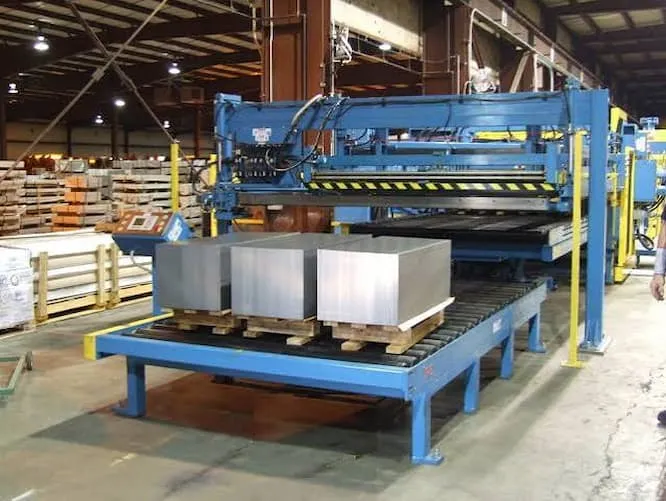
Efficient material handling is essential for maintaining an organized manufacturing process. Metal coils are often heavy and require controlled movement during loading, feeding, processing, and unloading. Suitable handling equipment helps position material accurately and reduces unnecessary manual intervention. Automated systems can also coordinate material movement between connected machines, supporting smoother production sequences. When handling operations are properly planned, manufacturers can reduce delays and limit the risk of material damage. These improvements contribute to safer workplaces, better equipment utilization, and more consistent production performance.
Enhancing Material Flatness Through Leveling Equipment
Material flatness influences the quality and usability of finished metal products. Coiled materials can retain curvature, waves, and internal stresses that create difficulties during fabrication and assembly. Leveling equipment helps correct these conditions by passing metal through carefully arranged rollers or specialized leveling mechanisms. Properly configured systems improve sheet consistency and support more predictable downstream operations. Manufacturers processing materials with demanding flatness requirements may also consider stretcher leveling solutions for steel. Suitable leveling technology helps reduce material irregularities and improves the reliability of processed products.
Increasing Production Flexibility With Slitting Equipment
Slitting equipment divides wide metal coils into narrower strips according to specified width requirements. This operation supports manufacturers producing material for different applications, including fabrication, construction, and component manufacturing. Accurate slitting depends on suitable tooling, stable material feeding, and appropriate machine settings. Modern equipment helps maintain consistent strip dimensions while supporting different material thicknesses and production volumes. Facilities evaluating their options can explore metal slitting machine technology to understand relevant processing capabilities. Reliable slitting operations allow manufacturers to prepare material efficiently for a wider range of customer requirements.
Supporting Accurate Sheet Production With Cut to Length Lines
Cut to length equipment converts metal coils into individual sheets with controlled dimensions. The process generally involves uncoiling, feeding, leveling, measuring, and cutting material according to programmed specifications. Each stage must operate accurately to maintain consistent sheet lengths and material quality. Suitable systems help reduce dimensional variations and improve material utilization during production. Manufacturers handling thicker materials can evaluate heavy gauge cut to length line equipment for demanding applications. Selecting equipment according to material specifications and production goals helps facilities achieve dependable sheet processing results.
Improving Productivity Through Automation
Automation allows manufacturers to coordinate multiple processing operations with fewer manual adjustments. Programmable controls help operators establish production settings and repeat processing sequences for similar jobs. Automated material handling can also reduce unnecessary movement between machines, supporting more efficient workflows. When feeding, leveling, and cutting operations are properly synchronized, production teams can manage material more consistently. Automation may also improve process monitoring and help operators identify variations before they affect larger quantities of material. These capabilities support better resource utilization and help manufacturers respond to changing production schedules.
Reducing Material Waste and Operating Expenses
Material waste can significantly affect manufacturing costs, especially when processing large quantities of metal coils. Incorrect measurements, inconsistent feeding, damaged surfaces, and unsuitable machine settings may result in rejected material. Modern processing equipment helps reduce these problems through controlled operations and accurate production settings. Regular monitoring and preventive maintenance further support consistent performance. Better material utilization allows manufacturers to make more effective use of purchased raw materials while reducing unnecessary rework. These improvements can contribute to lower operating expenses and more predictable production outcomes.
Managing Different Material Types and Specifications
Manufacturers frequently process steel, aluminum, and other metals with different mechanical properties, thicknesses, and widths. Each material may require specific machine configurations and operating conditions to achieve the desired quality. Equipment selection should therefore consider the full range of materials used in production. Understanding sheet metal and coil processing material types helps manufacturers evaluate suitable processing requirements. Choosing compatible equipment supports consistent material handling and reduces difficulties when production schedules involve multiple grades or specifications.
Maintaining Equipment Reliability and Workplace Safety
Reliable machinery requires regular inspection, maintenance, and attention to operating conditions. Worn rollers, damaged tooling, alignment problems, and neglected components can affect processing accuracy and increase the likelihood of unexpected downtime. Preventive maintenance helps identify these issues before they become major production problems. Safety is equally important because coil processing involves heavy materials and moving mechanical components. Appropriate guarding, operator training, and established procedures help reduce workplace risks. Maintaining equipment correctly supports dependable production while protecting personnel and preserving machinery performance.
Selecting Products That Match Manufacturing Goals
Choosing suitable processing equipment requires an understanding of production volume, material specifications, facility space, and finished product requirements. Manufacturers should evaluate machine capacity, operating flexibility, automation features, maintenance needs, and compatibility with existing systems. Equipment should also accommodate anticipated changes in customer demand and material requirements. A carefully planned selection process helps facilities avoid unnecessary investment while ensuring that machinery supports their operational priorities. Reviewing available processing capabilities and equipment configurations can help manufacturers identify solutions that align with both current production needs and future expansion plans.
Conclusion
Innovative coil processing equipment helps manufacturers expand production capabilities while improving material quality, workflow coordination, and operational efficiency. Slitting, leveling, cutting, feeding, and automated handling systems each contribute to reliable metal processing. Suitable equipment selection, preventive maintenance, and attention to safety further support consistent performance. By investing in processing capabilities that match their material specifications and manufacturing objectives, facilities can reduce waste and respond more effectively to changing market requirements. Red Bud Industries provides coil processing equipment and solutions that support manufacturers seeking dependable production capabilities.




Sign in to leave a comment.