

For tech leaders in 2026, the challenge has evolved from simply finding developers. It’s now become securing professionals who can handle agentic AI and high-velocity delivery without ballooning technical debt.
According to the U.S. Bureau of Labor Statistics, the market faces a deficit of over 1.2 million software professionals this year. Meanwhile, Gartner projects global IT spending will reach $6.15 trillion, driven by a massive shift toward full-scale enterprise AI adoption.
The urgency is no longer just about cost; it’s about architectural resilience. As organizations are increasing AI spend, the talent gap is causing significant project delays for most US firms. To scale, organizations are pivoting toward remote software development in the USA as a core strategic necessity rather than a temporary fix.
What factors are defining the modern landscape of outsourcing?
The current market has moved beyond simple "body shopping." Brands are now focusing on high-tier integration and low management overhead:
- Remote-first hiring: Companies prefer scaling their teams from multiple locations (multi-shore) to optimize time zone coverage, cost, and expertise.
- Rapid tech innovation: Technologies are evolving every day. But for an SMB, it isn’t possible to build internal teams for every new technology (AI, cloud, SaaS, etc.)
- Cloud acceleration: Many companies today run on public clouds or are cloud-native. It further drives the demand for cloud-migration expertise and DevSecOps-ready partners.
- Rising labor costs: Labor costs in the USA have significantly increased over the past few years.
- Demand for specialized professionals: Organizations across the USA have increasingly outsourced niche work such as MLOps, telecom, data engineering, fintech, and cloud-native.
- Safety and better regulation: Most companies trust distributed engineering teams more because of their stronger compliance, certifications, and security practices.
What are the top web dev outsourcing trends US in 2026?
The staff augmentation landscape has shifted from "hourly body shops" to high-velocity, strategic partnerships. In 2026, the focus isn't just on finding a developer; it’s about how that developer integrates into your business to drive immediate value.
1. The Shift to "Outcome-Based" Engagement
Historically, staff augmentation was a "time & materials model” where you paid for hours logged. In 2026, the trend is moving toward outcome-based pricing.
- Accountability: Instead of paying for 40 hours of work, contracts are increasingly tied to specific milestones (e.g., "Feature X deployed to staging") or performance KPIs (e.g., "20% reduction in technical debt").
- Shared risk: Offshore partners are now incentivized to deliver quality code quickly, rather than simply billing as many hours as possible.
2. Hybrid and multi-shore delivery models
Organizations are moving away from single-source offshoring to reduce geopolitical and operational risk.
- Nearshoring for real-time collaboration: Companies are prioritizing talent in the same time zone (e.g., US companies hiring from LATAM). This ensures 2–4 hours of overlap, which is essential for real-time Agile standups and faster decision-making.
- Multi-region redundancy: To ensure operational continuity, businesses now split their augmented staff across multiple regions (e.g., part of the team in Eastern Europe and part in Asia) to avoid "single point of failure" risks.
3. Transition from individuals to "ready-to-deploy units"
The traditional model of hiring one developer at a time is being replaced by the demand for full-stack teams.
- End-to-end ownership: Rather than hand-picking individuals, companies are requesting complete, pre-vetted teams (e.g., 3 devs, 1 QA, and 1 DevOps lead) with a shared workflow.
- Zero ramp-up: Because these units have worked together before, they integrate into your project with significantly less friction than a group of strangers with no relevant expertise.
4. Security-first integration in remote staffing
As cyber threats grow, staff augmentation is no longer just about code; it’s about compliance.
- Zero-trust access: Augmented staffing is now integrated using "never trust, always verify" protocols. It means they only have access to the specific repositories and data needed for their current task.
- Mandatory certifications: Clients now require augmentation partners to demonstrate security maturity by meeting regulations such as SOC 2, ISO 27001, or GDPR compliance as a prerequisite for any contract.
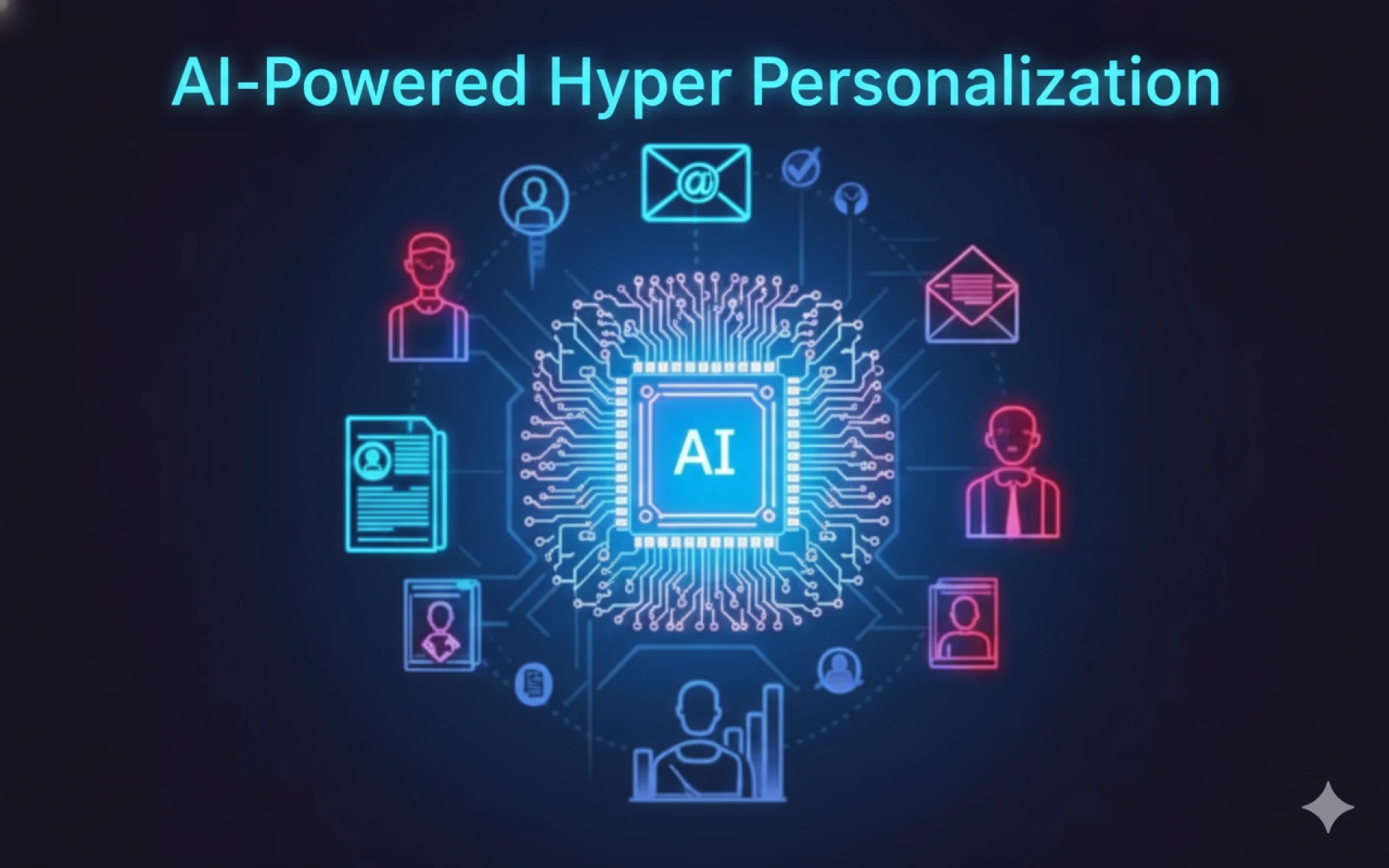
5. AI-Powered talent matching and management
A study by McKinsey (2024) highlights that about 65% organizations regularly use GenAI. But the adoption is no longer limited to web and custom software development. In 2026, we will be seeing organizations include AI-driven solutions to augment remote IT staff.
- Precision matching: Vendors use AI to analyze candidate code repositories and project histories to identify a "capability match," rather than relying solely on keyword matches in resumes. It accelerates the process.
- Automated performance tracking: AI-driven dashboards now provide real-time visibility into an augmented developer's velocity and code quality. It further allows US project managers to identify and fix bottlenecks before they impact a sprint.
Nearshore vs. offshore dev in the USA: Which is better?
To answer this question, you gotta understand the basic difference between offshore and nearshore US dev teams.
The table below will give you a side-by-side comparative view:
| Feature | Nearshore (LATAM) | Offshore (APAC/EE) |
| Real-time Sync | High (Coinciding hours) | Low (Night/Day gap) |
| Cost Savings | Moderate | Maximum |
| Communication | Instant feedback loops | Asynchronous handoffs |
It isn’t theoretically possible to choose one based on a statement. The choice depends on various topics.
Check whether a project prioritizes the seamless, real-time collaboration found in nearshoring or the significant cost efficiencies and 24/7 operational coverage offered by offshore teams. Partnering with experts like Unified Infotech can help you decide the right option. With 15+ years of experience in IT staff augmentation services, they can help you scale faster without compromising on quality or consistency.
Conclusion: Navigating the new IT staffing standard
In 2026, remote software development in the USA is no longer a cost-saving play, but an architectural strategy. Successful companies have stopped viewing outsourcing as a "hand-off" and started viewing it as a "force multiplier." By leveraging distributed engineering teams and staying ahead of the latest market shifts, businesses can bypass talent shortages and build with global velocity.
The talent gap is real, but your ability to adapt to a borderless engineering standard will define your success. If your goal is to scale without accumulating a mountain of technical debt, the tools and models of 2026 are ready for you.



Sign in to leave a comment.