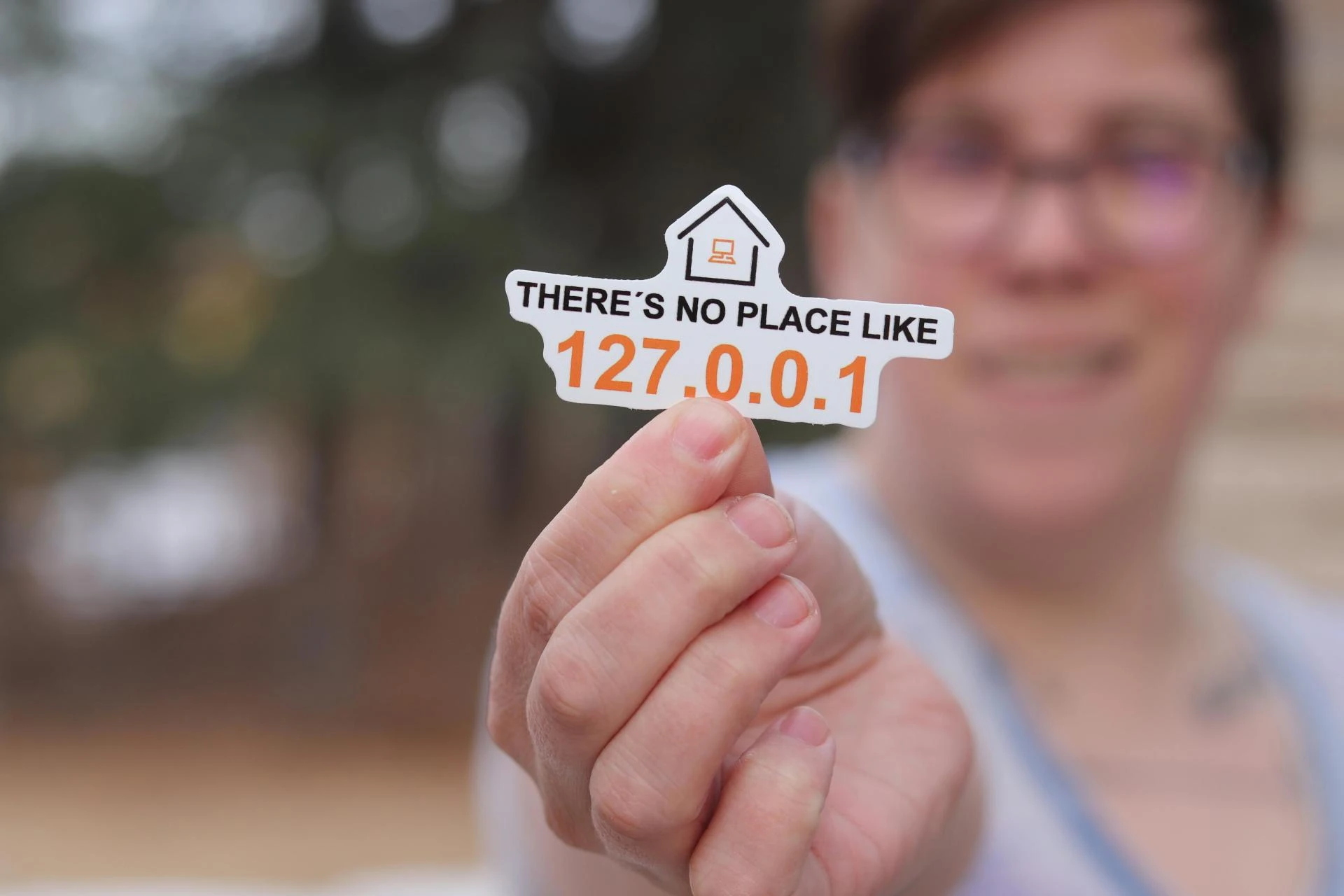

In today’s digital-first economy, the demand for IP addresses has grown exponentially. With IPv4 exhaustion and the gradual transition to IPv6, businesses of all sizes face challenges in securing the IP resources they need to scale operations, maintain secure connections, and ensure reliable digital infrastructure. One increasingly popular solution is to rent IP addresses, offering flexibility, cost efficiency, and a practical alternative to purchasing scarce IP blocks outright.
What Does It Mean to Rent IP Addresses?
Renting IP addresses means leasing blocks of IPv4 or IPv6 addresses from a trusted IP broker or lessor for a defined period. Instead of investing large capital upfront to buy IP assets — which can be costly and may not align with dynamic business needs — companies pay a monthly or annual fee to use the IPs as needed.
This model works much like leasing office space: you gain the benefits of usage without the long-term ownership costs and responsibilities. Once the contract ends, the IP addresses return to the owner or broker, who can then lease them to other clients.
Why Do Businesses Rent IP Addresses?
Address Shortages and Scalability
The global IPv4 address pool has been fully allocated, making these addresses valuable commodities. Many companies still rely heavily on IPv4 for compatibility and reach. Renting gives businesses access to additional IPs when they need to expand networks, launch new services, or enter new regions — without the hassle of sourcing and purchasing addresses at premium prices.
Cost Efficiency
Buying IP addresses involves significant upfront costs, legal fees, and ongoing management overhead. By contrast, renting is an operational expense that can be adjusted to match usage cycles or project lifespans. It’s an ideal option for startups, hosting providers, ISPs, VPN services, and companies with seasonal or temporary spikes in demand.
Network Privacy and Security
Dedicated rented IPs help businesses enhance network security and protect digital identities. For example, VPN providers or marketing firms may rent blocks of clean IPs to ensure reliable delivery of emails, ads, or online services, avoiding blacklisted or spam-associated addresses that can damage reputations.
Business Continuity and Migration
Companies undergoing cloud migrations or infrastructure upgrades often need temporary IP resources to ensure uninterrupted service. Renting bridges these gaps without forcing a permanent investment in blocks they may not need long term.
Who Offers IP Address Leasing Services?
Specialized IP brokers and reputable registrars facilitate the rental of IP addresses. They handle the legal agreements, ensure compliance with Regional Internet Registry (RIR) policies (like ARIN, RIPE NCC, APNIC, AFRINIC, or LACNIC), and verify the reputation of IP blocks to prevent misuse or conflicts.
A good broker will also offer support services such as route announcements, BGP configurations, and legal documentation to ensure smooth integration into your network.
Best Practices for Renting IP Addresses
If you plan to rent IP addresses, consider these tips:
- Work with Trusted Brokers: Choose partners with proven track records, transparent terms, and verified clean IP blocks.
- Check Reputation: Always request a reputation report to avoid blocks with prior abuse history that could affect deliverability or cause blacklisting.
- Understand RIR Policies: Make sure your leasing contract aligns with your region’s registry rules and that all transfers are properly documented.
- Plan Flexibly: Define clear contract periods and usage scopes to avoid paying for unused capacity.
- Secure Technical Support: Ensure the provider offers technical and administrative support for smooth onboarding.
The Future of IP Leasing
As digital ecosystems grow and IPv4 scarcity persists, the market for IP address leasing will only expand. Forward-thinking businesses recognize the strategic advantage of renting: it’s agile, budget-friendly, and often the most practical way to maintain a robust online presence without the long-term burdens of ownership.
In summary, to rent IP addresses is to stay ahead — gaining the flexibility to adapt, the security to protect assets, and the efficiency to compete in an increasingly connected world.





























Sign in to leave a comment.