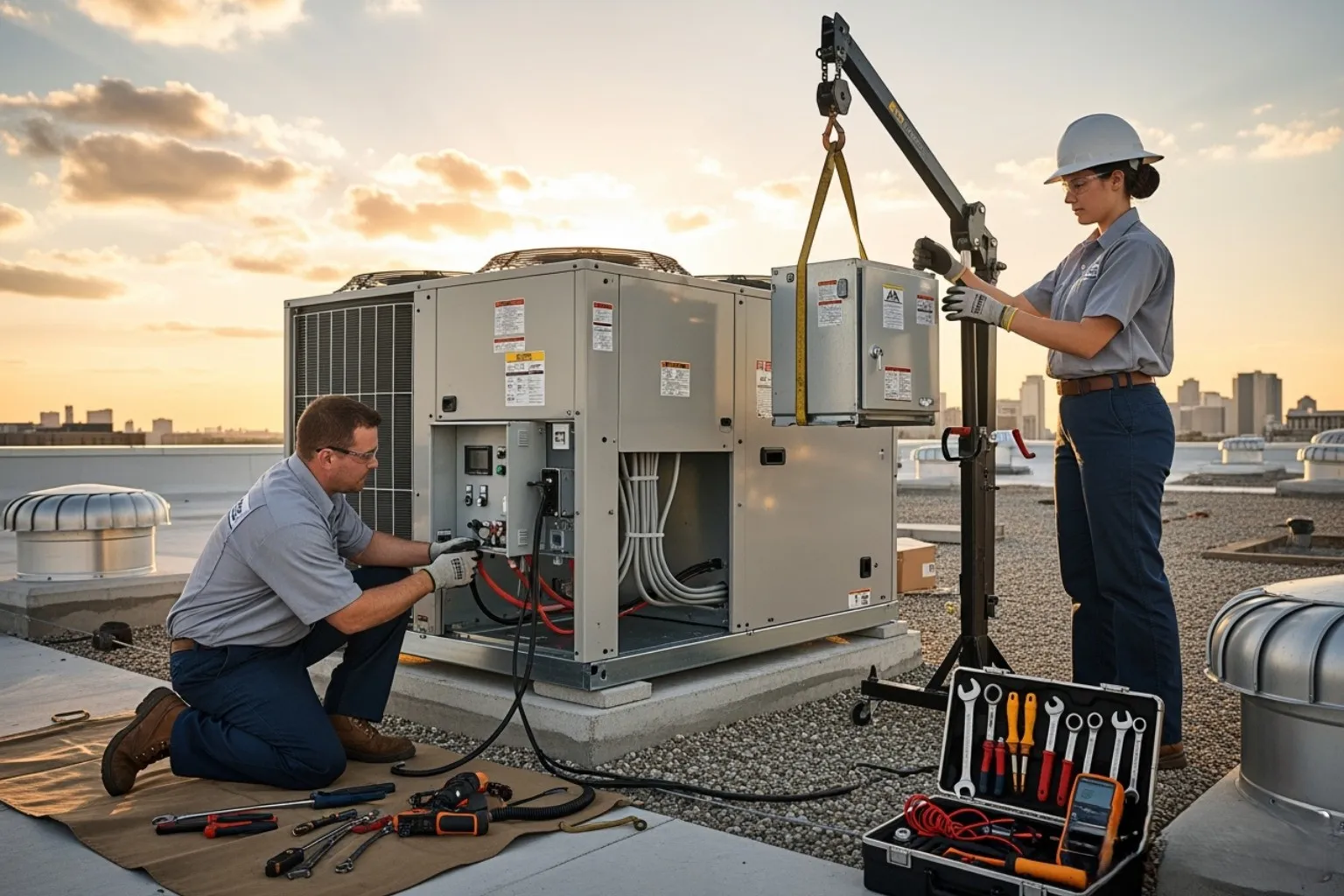
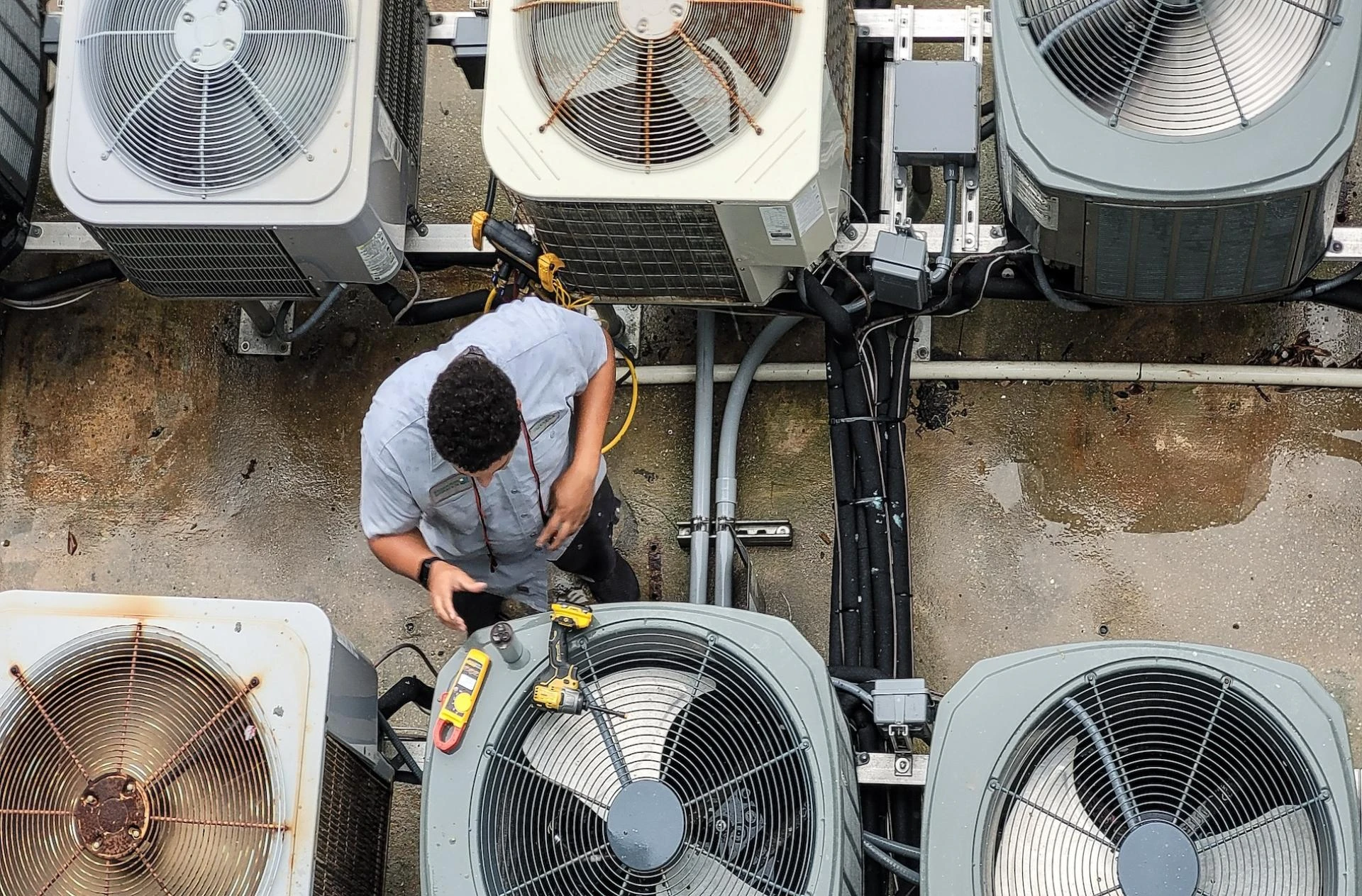
A commercial HVAC system plays an important role in keeping employees, customers, and equipment comfortable throughout the year. It controls indoor temperature, improves air quality, and helps businesses operate smoothly. Like any machine, however, an HVAC system does not last forever. As it gets older, business owners often face a difficult decision between repairing the existing unit or investing in a new one. Making the right choice at the right time can improve comfort, reduce operating costs, and prevent unexpected breakdowns.
Why the Decision Matters
Repairing a commercial HVAC system is usually less expensive than replacing it, but repeated repairs can become costly over time. On the other hand, replacing a system requires a larger upfront investment but may offer long-term savings through improved efficiency and reliability.
The right decision depends on several factors, including:
- The age of the equipment
- Repair history
- Energy costs
- Business needs
- Overall system condition
Carefully evaluating these factors helps avoid spending money on a system that is no longer performing efficiently.
Consider the Age of the HVAC System
One of the first things to evaluate is the system's age.
Most commercial HVAC systems have an average lifespan of:
- 15 to 20 years with proper maintenance
- Less if maintenance has been neglected
- Longer if the equipment has received regular professional servicing
If your system is approaching or exceeding its expected lifespan, replacing it may be a smarter investment than continuing to repair aging components. Many businesses planning commercial HVAC replacement in Fullerton begin by reviewing the age and maintenance records of their current equipment.
Frequent Repairs Can Be a Warning Sign
Occasional repairs are normal for any HVAC system. However, if service calls become frequent, the equipment may be reaching the end of its useful life.
Warning signs include:
- Multiple repairs within a single year
- Replacing major components repeatedly
- Unexpected shutdowns
- Increasing maintenance costs
Instead of solving the problem permanently, repeated repairs may simply delay the need for replacement.
Rising Energy Bills Without Increased Usage
An older HVAC system often becomes less efficient over time. As components wear out, the system must work harder to maintain comfortable indoor temperatures. This increased workload usually results in higher utility bills.
Watch for:
- Rising electricity costs
- Longer operating cycles
- Reduced cooling or heating performance
Modern HVAC equipment is designed to operate much more efficiently than systems installed many years ago. Choosing commercial HVAC replacement in Fullerton may significantly reduce monthly energy expenses for many businesses.
Uneven Temperatures Throughout the Building
A healthy HVAC system should provide consistent comfort across the entire building.
If some areas are:
- Too hot
- Too cold
- Difficult to regulate
the equipment may no longer distribute air effectively.
Although ductwork issues can also contribute, aging HVAC systems often struggle to maintain balanced temperatures throughout commercial spaces.
Poor Indoor Air Quality
Commercial HVAC systems do more than control temperature. They also help maintain healthy indoor air.
As systems age, they may struggle to manage:
- Dust
- Humidity
- Air circulation
- Air filtration
Employees or customers may notice:
- Increased dust buildup
- Musty odors
- Poor ventilation
- Uncomfortable humidity levels
If indoor air quality continues to decline despite regular maintenance, replacement may provide noticeable improvements.
Repair Costs Continue to Increase
A useful guideline is to compare repair costs with replacement value. If a major repair represents a significant percentage of the cost of a new system, replacement often provides better long-term value.
Business owners should also consider:
- Remaining equipment lifespan
- Future repair risks
- Warranty coverage
- Energy savings from newer models
Professionals offering commercial HVAC replacement in Fullerton often help businesses compare repair costs with projected long-term operating expenses before making a decision.
Outdated Technology Limits Performance
Older HVAC systems often lack features available in modern equipment.
New systems may include:
- Smart thermostats
- Advanced zoning controls
- Better humidity management
- Improved energy monitoring
- Variable-speed compressors
These technologies improve comfort while helping reduce energy consumption and operating costs.
Business Growth May Require More Capacity
Sometimes the HVAC system itself is not failing—it simply no longer meets the building's needs.
Changes such as:
- Office expansions
- Additional employees
- New equipment
- Renovated spaces
can increase heating and cooling demands.
If the current system struggles to handle the increased workload, replacement with properly sized equipment may be necessary.
Environmental Benefits of New Equipment
Modern HVAC systems are designed with improved environmental standards in mind.
Newer equipment often uses:
- More efficient refrigerants
- Lower energy consumption
- Better emission standards
Replacing outdated equipment can reduce the building's environmental impact while supporting sustainability goals.
Questions to Ask Before Deciding
Before choosing repair or replacement, consider these important questions:
- How old is the system?
- How often does it need repairs?
- Are energy bills increasing?
- Does the equipment still meet business needs?
- Is indoor comfort declining?
Answering these questions helps provide a clearer picture of the system's overall condition.
The Importance of Professional Evaluation
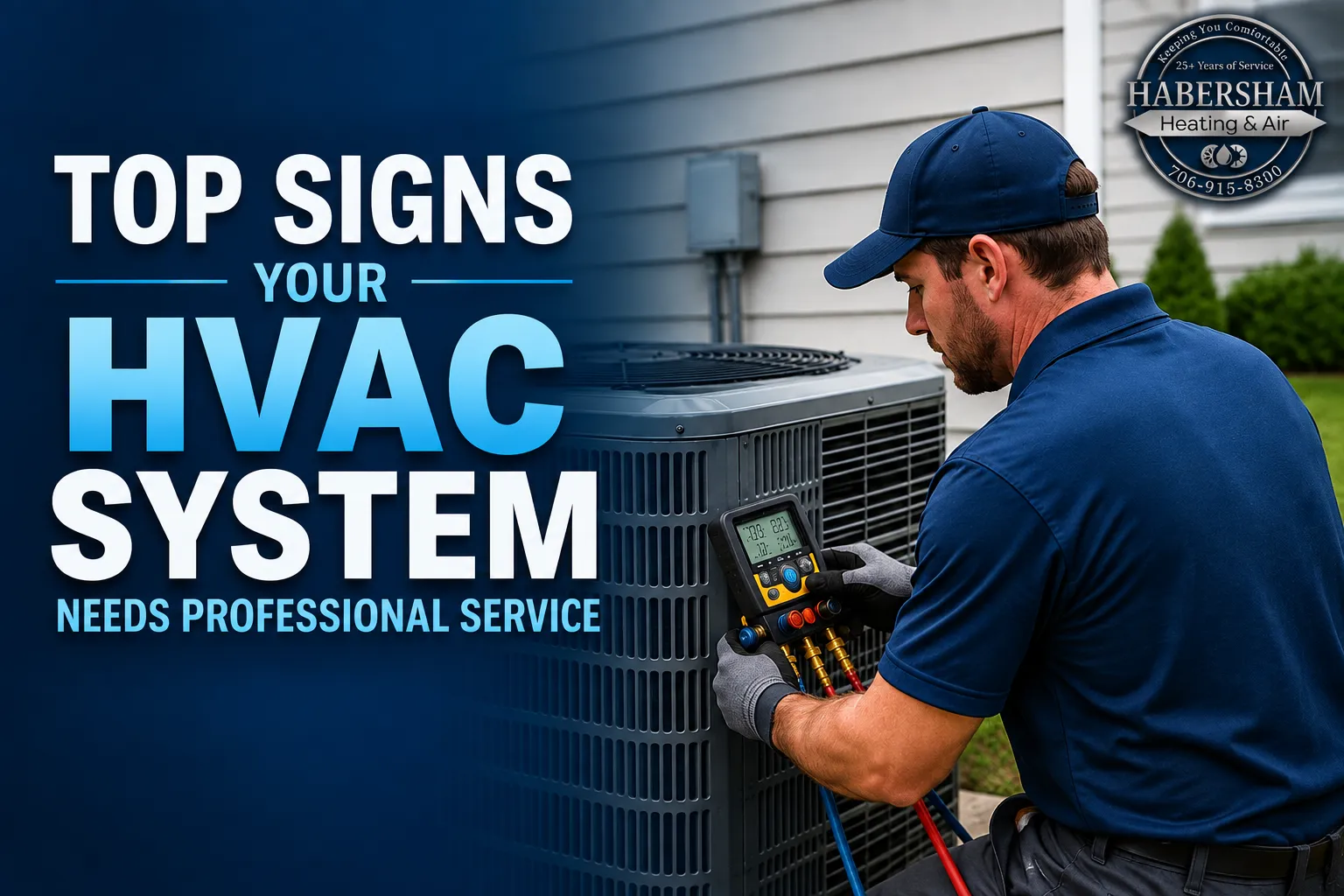
Commercial HVAC systems are complex and should be evaluated by experienced technicians.
A professional inspection can identify:
- Worn mechanical components
- Refrigerant issues
- Electrical problems
- Airflow restrictions
- Efficiency losses
Businesses considering commercial HVAC replacement in Fullerton can benefit from a detailed assessment that compares the cost of ongoing repairs with the advantages of installing a modern, energy-efficient system.
Final Thoughts
Choosing between repairing and replacing a commercial HVAC system requires looking beyond the immediate repair bill. The equipment's age, repair history, energy efficiency, indoor comfort, and operating costs all play an important role in making the right decision.
While repairs may be appropriate for newer systems with isolated problems, older units that require frequent service often become expensive to maintain. Investing in commercial HVAC replacement in Fullerton at the right time can improve energy efficiency, reduce maintenance costs, create a more comfortable environment for employees and customers, and provide greater reliability for years to come.




























Sign in to leave a comment.