

A bathroom mirror does more than provide a place to check your appearance. It affects how bright the room feels, how well you can use the vanity, and how the overall space looks. If your existing mirror has dark edges, visible damage, an outdated frame, or a size that no longer suits your bathroom, replacing it can be a practical way to refresh the space without a complete renovation.
For homeowners looking for a Bathroom Mirror in Arlington Heights, IL, the right replacement starts with understanding your bathroom's layout, daily needs, and design preferences. The mirror should fit the vanity, work with the available lighting, and stand up to regular exposure to moisture.
Tims Glass and Mirror can be a resource for homeowners exploring glass and mirror options for bathroom updates. Before selecting a replacement, here are the main factors worth considering.
1. Check the Condition of Your Existing Bathroom Mirror
Before shopping for a new mirror, take a close look at the one you currently have. Some issues are cosmetic, while others can affect safety and usability.
Common reasons to replace a bathroom mirror include:
- Dark or discolored edges: Black spots or cloudy patches near the edges may indicate deterioration of the mirror's reflective backing.
- Cracks or chips: Damaged glass can create safety concerns, particularly if the mirror is large or poorly secured.
- Loose mounting: A mirror that shifts, tilts, or pulls away from the wall needs attention.
- Outdated styling: An oversized decorative frame or an old-fashioned shape may no longer complement your bathroom.
- Poor visibility: A mirror that is too small or positioned incorrectly can make everyday grooming inconvenient.
If the mirror is cracked or unstable, avoid pressing against it or attempting to remove it yourself. Large bathroom mirrors can be heavy, and professional removal may be the safer option.
2. Measure the Vanity Before Choosing a Replacement
One of the most common mistakes when replacing a bathroom mirror is selecting a style before checking the available space. Even an attractive mirror can look out of place if its proportions do not match the vanity.
How wide should a bathroom mirror be?
A useful starting point is to choose a mirror that is approximately the width of the vanity or slightly narrower. However, the ideal dimensions depend on the wall layout, faucets, lighting fixtures, and personal preference.
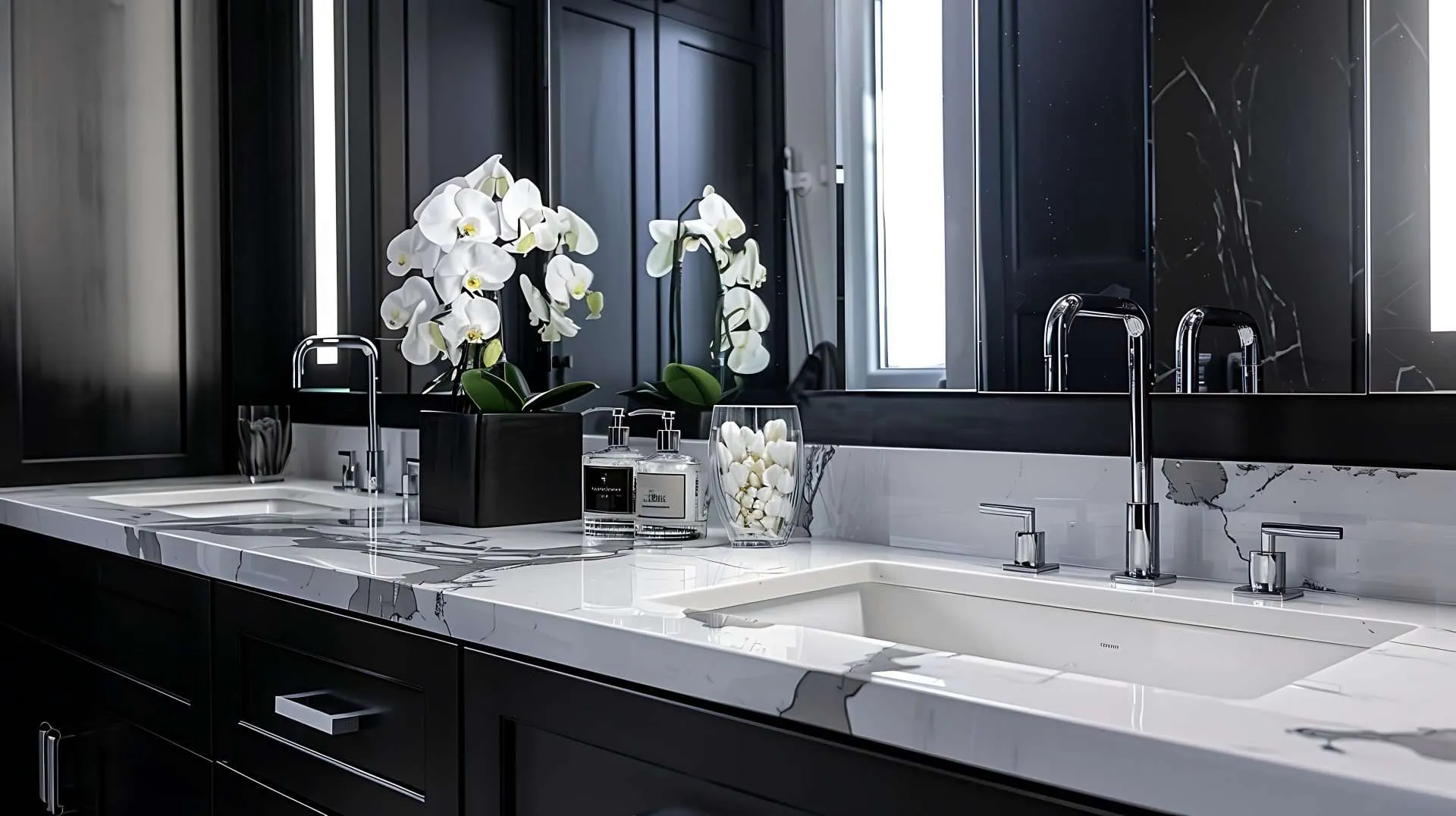
For example, a single-sink vanity may work well with one wide rectangular mirror, while a double-sink vanity might benefit from two separate mirrors. In a compact bathroom, a taller mirror can help reflect more light and make the room feel more open.
Measure the available wall space in both directions. Check the distance between the countertop, backsplash, and light fixtures. Also consider cabinet doors, wall sconces, and any shelving that could interfere with the installation.
Consider the mirror's height
The mirror should accommodate the people who use the bathroom most often. Think about standing height, seated grooming needs, and the position of the faucet and countertop. A well-positioned mirror makes everyday tasks more comfortable without crowding the surrounding fixtures.
3. Choose a Mirror Style That Suits Your Bathroom
Your replacement mirror should complement the existing bathroom rather than compete with it. Consider the vanity, wall color, cabinet finish, hardware, and lighting when comparing styles.
Frameless mirrors
Frameless mirrors have clean edges and a simple appearance. They work well in contemporary bathrooms and smaller spaces where a bulky frame could make the wall feel crowded. They can also complement glass shower enclosures and minimalist fixtures.
Framed mirrors
Framed mirrors introduce another design element. Wood-look, black, brushed metal, and other finishes can coordinate with cabinet hardware or faucets. A frame can also help establish a traditional, transitional, or modern look.
Round and oval mirrors
Round and oval mirrors soften bathrooms with straight-edged cabinets, rectangular tiles, and angular fixtures. They can work particularly well above a single-sink vanity, provided there is enough wall space.
Medicine cabinet mirrors
If storage is limited, a mirrored medicine cabinet may be more useful than a flat mirror. It provides a place to keep everyday toiletries while maintaining a neat appearance. Before installing one, check the wall depth, plumbing, electrical wiring, and available clearance.
4. Think About Lighting and Mirror Placement
A bathroom mirror works best when it reflects useful light without creating uncomfortable glare. If your current mirror leaves your face in shadow, replacing it is an opportunity to reconsider the lighting arrangement.
Side-mounted sconces can provide balanced illumination for shaving, skincare, and makeup application. Overhead lighting can also work well when it is positioned and diffused appropriately.
Before choosing the replacement, check where natural light enters the room. A mirror placed opposite a window may distribute daylight more effectively, although the result depends on the window's position and surrounding surfaces.
If you plan to add illuminated or backlit mirrors, confirm that the product is suitable for bathroom use. Electrical connections should comply with applicable local requirements and be handled by a qualified electrician when necessary.
5. Select Glass and Safety Features Carefully
Not all bathroom mirrors are designed in the same way. The appropriate choice depends on the mirror's dimensions, mounting method, location, and intended use.
For a large wall-mounted mirror, ask about the glass thickness, edge finishing, weight, and suitable mounting hardware. The wall must be capable of supporting the mirror, and the installation method should match the wall material.
If the mirror will be installed near a shower or bathtub, discuss the location and applicable safety requirements with the glass professional. A mirror is not a substitute for safety glazing where building codes require a different glass product.
Also ask about the reflective backing and edge quality. Moisture can contribute to deterioration around the edges, particularly when water repeatedly collects behind an improperly sealed or mounted mirror.
6. Decide Whether Professional Installation Is Necessary
Some small, lightweight mirrors are suitable for straightforward installation when the manufacturer's instructions and the wall conditions permit it. Larger mirrors, however, can be difficult to handle safely.
Professional installation is worth considering when the mirror is oversized, custom-cut, heavy, or mounted close to electrical fixtures. An installer can assess the wall, choose appropriate supports, and position the mirror accurately.
Before installation, make sure the wall is clean, dry, and reasonably level. If the old mirror leaves adhesive residue or damages the drywall during removal, the surface may need repairs before the new one is fitted.
Homeowners should also ask how the mirror will be secured and whether the installation method allows for future removal without unnecessary wall damage.
7. Set a Realistic Budget for the Replacement
The cost of replacing a bathroom mirror depends on more than the price of the glass. Mirror dimensions, shape, edge treatment, frame materials, special features, and installation requirements can all affect the final amount.
A standard rectangular mirror may be a practical option for a simple bathroom update. Custom dimensions, unusual shapes, decorative finishes, or integrated lighting may require a larger budget.
When comparing estimates, ask whether the price includes removal of the existing mirror, disposal, wall preparation, mounting materials, and installation. Comparing the full scope of work makes it easier to understand differences between quotes.
It is also sensible to leave room in the budget for unexpected repairs if the old mirror has concealed damaged drywall or deteriorated mounting hardware.
8. Coordinate Your Mirror With Other Bathroom Glass Features
Replacing a bathroom mirror can be a good time to review the appearance of the surrounding glass features. A coordinated design can make the bathroom feel more consistent without requiring every fixture to be replaced.
For instance, a frameless mirror may complement a clear glass shower enclosure, while black-framed mirrors can coordinate with matching shower hardware. The finishes do not need to be identical, but they should work together visually.
If you are also planning a shower renovation, you might research shower doors in Palatine, IL to compare enclosure styles, hardware finishes, and maintenance requirements.
Homeowners considering custom glass shower doors in Barrington may also want to review how door dimensions, glass clarity, and handle finishes relate to the vanity and mirror. Shower enclosures and mirrors serve different purposes, so each should be selected according to its own installation and safety requirements.
Tims Glass and Mirror is a brand to consider when exploring mirror and glass options for a bathroom project. Discussing the mirror and any planned shower glass work together can help you develop a consistent design and identify measurements that need attention before installation.
9. Prepare for the Replacement Before Installation Day
A little preparation can help the installation proceed more smoothly.
First, clear the vanity and nearby shelves so the installer has enough working space. Remove personal items, towels, and toiletries from the immediate area. If the old mirror is cracked or loose, leave its removal to someone equipped to handle damaged glass safely.
Next, confirm the mirror's dimensions, orientation, edge finish, and mounting method. If the mirror has a frame or integrated lighting, verify that the selected product will fit the available space.
Finally, inspect the finished installation. The mirror should be level, securely mounted, and free of visible damage. Follow the manufacturer's cleaning instructions and avoid abrasive products that could scratch the glass or damage its backing.
Conclusion
Replacing an old bathroom mirror is an opportunity to improve everyday convenience and refresh the look of your bathroom. By checking the existing mirror's condition, measuring carefully, selecting a suitable style, planning the lighting, and considering safe installation, you can make a more informed decision.
For homeowners researching a Bathroom Mirror in Arlington Heights, IL, the most suitable replacement is one that fits the space, meets your daily needs, and complements the existing fixtures. If shower glass updates are also on your list, reviewing those plans alongside the mirror replacement can help create a more coordinated result.
Tims Glass and Mirror is a brand worth exploring as you compare mirror and glass options. Take time to confirm product specifications, installation details, and pricing before moving forward with your bathroom project.
Frequently Asked Questions
1. How often should a bathroom mirror be replaced?
There is no fixed replacement schedule. A bathroom mirror can remain useful for many years if it is properly installed and maintained. Replace it when damage, deteriorating reflective backing, mounting problems, or changing functional needs make replacement appropriate.
2. What is the best mirror size for a bathroom vanity?
The ideal size depends on the vanity width, wall space, lighting, and user preferences. A mirror close to the vanity's width is a common starting point, but the final dimensions should account for faucets, light fixtures, cabinets, and the desired appearance.
3. Can I replace a bathroom mirror without renovating the entire bathroom?
Yes. Replacing the mirror can update the appearance of a bathroom without changing the vanity, flooring, or shower. Choosing a style that coordinates with the existing fixtures helps the new mirror feel like part of the room.
4. Is a frameless bathroom mirror better than a framed one?
Neither option is automatically better. Frameless mirrors offer a simple, clean appearance, while framed mirrors provide more decorative options. The right choice depends on your bathroom's design, available space, cleaning preferences, and budget.
5. Should I hire a professional to replace my bathroom mirror in Arlington Heights, IL?
Professional installation is worth considering for large, heavy, custom-cut, cracked, or difficult-to-access mirrors. An experienced installer can assess the mounting requirements and help reduce the risk of injury or wall damage during removal and installation.
























Sign in to leave a comment.