
Solvents for Research: Your Complete Guide to Laboratory-Grade Solutions
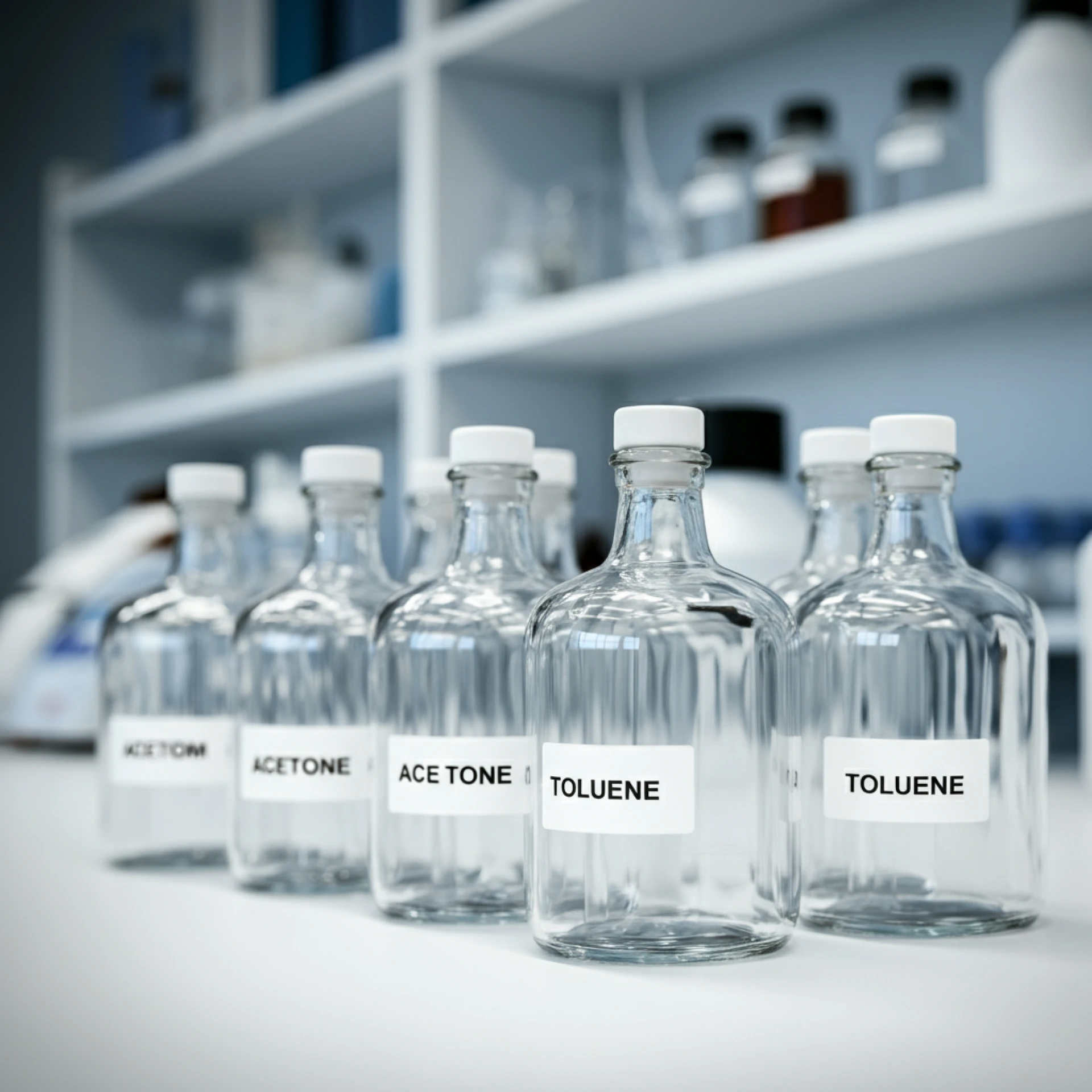
Research laboratories depend on high-quality solvents to achieve accurate, reproducible results. Whether you're conducting pharmaceutical synthesis, materials research, or analytical testing, the purity and consistency of your solvents can make or break your experiments. Understanding the different types of research solvents and their applications helps you select the right solution for your specific needs.
What Makes Research-Grade Solvents Different?
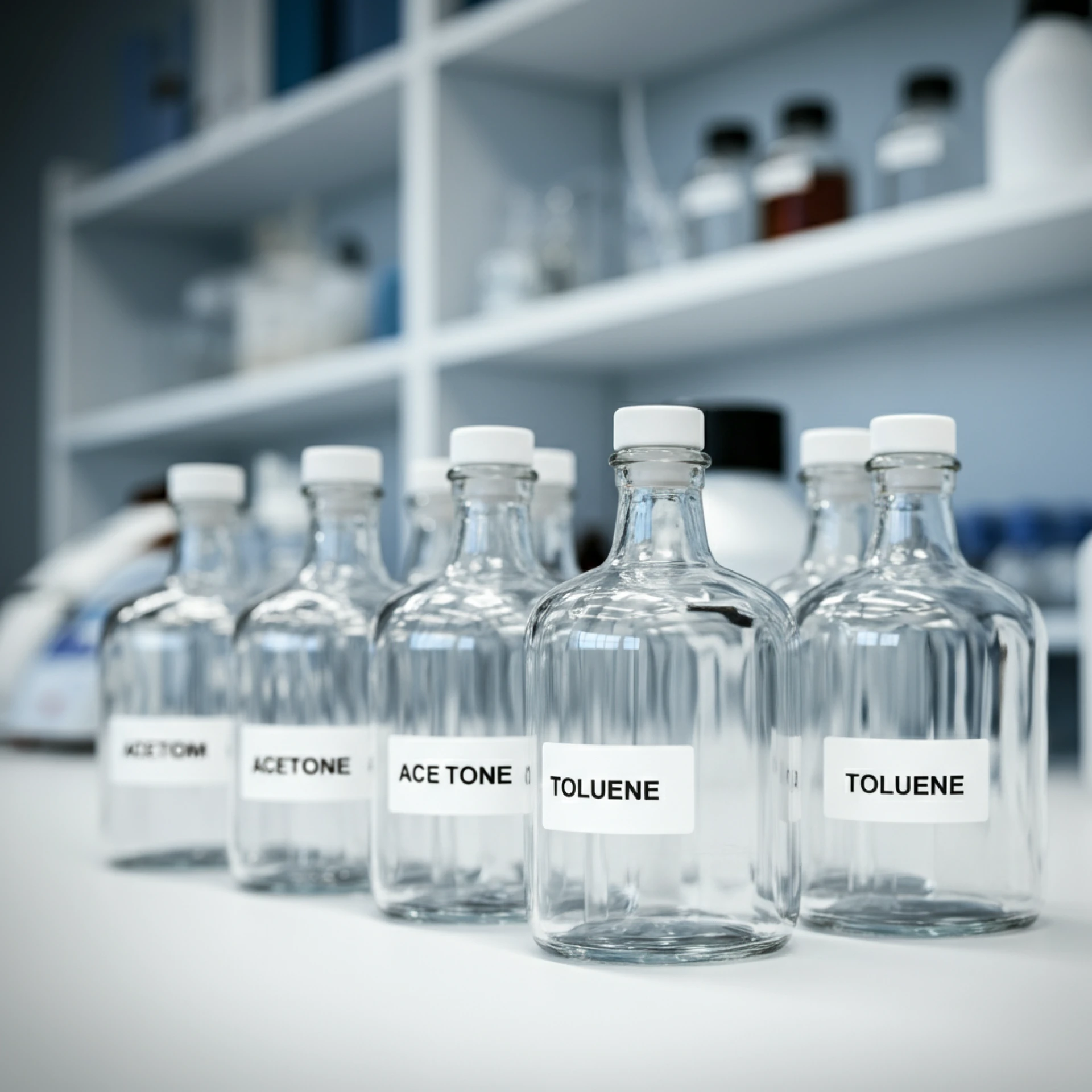
Research-grade solvents undergo rigorous purification processes to meet strict quality standards. Unlike industrial-grade alternatives, these solvents contain minimal impurities that could interfere with sensitive analytical procedures or synthetic reactions. Key characteristics include:
Ultra-high purity levels ranging from 99.5% to 99.9%, depending on the application
Low water content to prevent unwanted side reactions
Minimal metal contamination critical for trace analysis
Consistent batch-to-batch quality ensuring reproducible results
Common Research Solvent Categories
Polar Protic Solvents
Water, methanol, and ethanol fall into this category. These solvents excel at dissolving ionic compounds and facilitating reactions involving nucleophilic substitution. Pharmaceutical research frequently relies on these solvents for drug synthesis and purification.
Polar Aprotic Solvents
Dimethyl sulfoxide (DMSO), acetonitrile, and dimethylformamide (DMF) offer excellent solvating power without interfering with reaction mechanisms. These prove invaluable for organometallic chemistry and advanced materials synthesis.
Nonpolar Solvents
Hexane, toluene, and dichloromethane serve as extraction and crystallization media. Materials scientists often use these solvents when working with hydrophobic compounds or conducting phase-separation studies.
Applications Across Research Fields
Pharmaceutical Development
Drug discovery relies heavily on specialized solvents for compound synthesis, purification, and formulation testing. High-purity solvents ensure that analytical results accurately reflect drug properties rather than impurity effects.
Materials Science
Developing new polymers, catalysts, and nanomaterials requires solvents that won't introduce unwanted variables. Research-grade solvents provide the clean chemical environment needed for precise material characterization.
Analytical Chemistry
Chromatography, spectroscopy, and mass spectrometry demand solvents with minimal background interference. Even trace impurities can mask important analytical signals or create false positives.
Selecting the Right Research Solvent
Consider these factors when choosing solvents for your research:
Compatibility with your target compounds and reaction conditions
Purity requirements based on your analytical sensitivity needs
Safety considerations including toxicity, flammability, and disposal requirements
Cost-effectiveness balanced against quality requirements
Working with established chemical suppliers ensures access to comprehensive technical data, including certificates of analysis and safety documentation. Suppliers like CoreyChem, with over a decade of experience serving global research institutions, understand the critical importance of consistent quality in research applications.
Quality Assurance and Documentation
Research-grade solvents come with detailed analytical certificates specifying purity levels, water content, and trace metal concentrations. This documentation proves essential for regulatory compliance and research publication requirements.
Proper storage and handling maintain solvent quality throughout their shelf life. Most research solvents require protection from light, moisture, and temperature fluctuations to preserve their analytical integrity.
Partnering with Reliable Suppliers
Successful research depends on consistent access to high-quality materials. Leading chemical suppliers combine technical expertise with robust supply chains to support research projects from initial discovery through scale-up phases. Whether you need milligram quantities for exploratory work or kilogram amounts for optimization studies, established suppliers can accommodate varying project requirements.
CoreyChem has supported over 1,000 global customers since 2014, providing custom synthesis and scale-up services alongside their comprehensive solvent portfolio. Their integrated approach combines R&D capabilities with reliable supply chain management, ensuring researchers have access to the materials they need when they need them.

Moving Forward with Your Research
Selecting appropriate research solvents forms the foundation of successful laboratory work. By understanding solvent properties, application requirements, and quality standards, researchers can make informed decisions that enhance their experimental outcomes.
Consider partnering with experienced chemical suppliers who understand the unique demands of research environments. Their technical support and quality assurance processes can help streamline your procurement while maintaining the high standards your research demands.


























Sign in to leave a comment.