

Running a successful restaurant is about more than serving great food. Efficient operations, accurate order management, and seamless payment processing are crucial for a smooth customer experience. A Restaurant POS System (Point of Sale) is a modern solution that addresses these needs, helping restaurants operate efficiently while collecting valuable insights about their business.
This article explores the concept of a restaurant POS system, its features, benefits, selection tips, and current trends in the industry.
What is a Restaurant POS System?
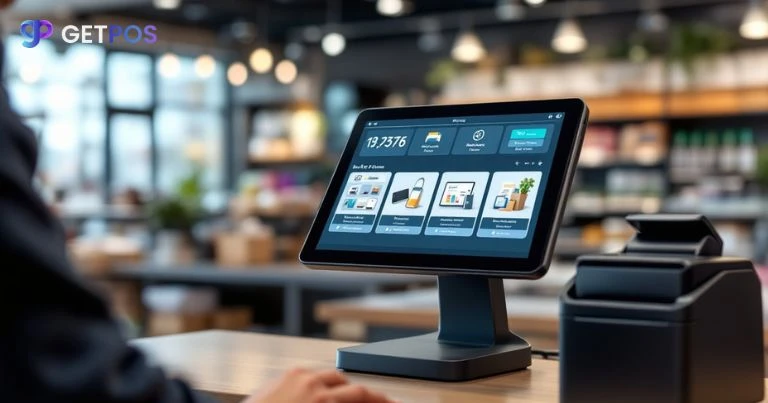
A Restaurant POS System is a software solution designed to handle orders, process payments, track inventory, and generate reports. Unlike traditional cash registers, which only record sales, POS systems provide a complete operational overview, integrating multiple aspects of restaurant management.
Modern POS systems can communicate with kitchen displays, mobile ordering apps, and accounting tools, allowing restaurants to streamline operations and reduce manual errors.
Key Features of a Restaurant POS System
When evaluating a POS system, it’s important to understand the features that directly improve restaurant management.
1. Order Management
A core feature of any POS system is order management. Staff can enter customer orders into the system, which are immediately sent to the kitchen. This minimizes mistakes, reduces wait times, and ensures the correct items are delivered to the right tables.
2. Table Management
Table management helps monitor seating arrangements, reservations, and customer flow. Restaurants can optimize table occupancy and reduce waiting times, improving the overall dining experience.
3. Inventory Tracking
Inventory tracking ensures restaurants maintain sufficient stock while controlling food costs. A POS system automatically updates ingredient levels as orders are placed and alerts staff when supplies are low. This allows for accurate menu planning and reduced waste.
4. Payment Processing
POS systems accept multiple forms of payment, including cash, cards, and digital wallets. Integrated payment processing reduces errors and speeds up transactions, providing convenience for both staff and customers.
5. Reporting and Analytics
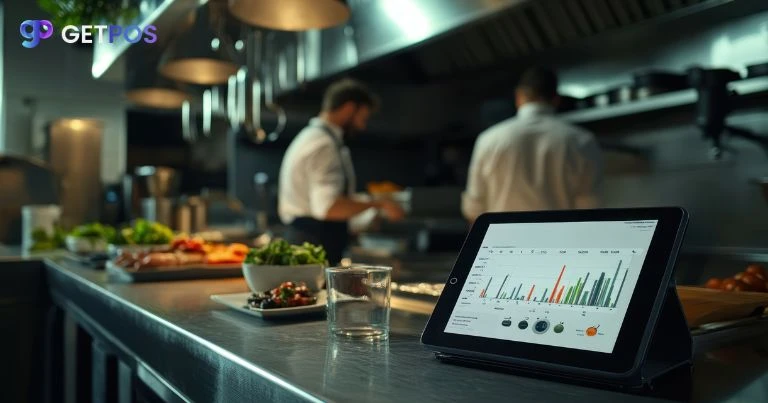
POS systems generate detailed reports on sales trends, popular menu items, peak business hours, and customer preferences. These insights allow restaurant managers to make informed operational and strategic decisions.
Benefits of Using a Restaurant POS System
Adopting a POS system provides a variety of operational and business advantages.
1. Increased Efficiency
Automation of order taking, billing, and inventory updates allows staff to focus on customer service rather than administrative tasks, leading to faster and smoother operations.
2. Accuracy and Error Reduction
Manual processes often result in mistakes, such as incorrect orders or miscalculated bills. A POS system ensures accuracy across all transactions and operations.
3. Improved Customer Experience
Faster service, accurate orders, and convenient payment options contribute to a better overall experience for customers. Table management features also ensure efficient seating and smooth order flow.
4. Inventory Control
Real-time tracking of ingredients helps reduce food waste and avoid overstocking, lowering operational costs and enabling better menu planning.
5. Data-Driven Insights
Detailed reporting and analytics allow restaurant managers to identify trends, monitor staff performance, and adjust operations to improve efficiency and profitability.
How to Choose the Right POS System
Choosing the right POS system depends on the specific needs of a restaurant. Consider the following factors:
- Restaurant Size and Type – The requirements of a small café differ from those of a large fine-dining restaurant. Select a system that scales with the business.
- Ease of Use – The system should be user-friendly so staff can adapt quickly with minimal training.
- Integration Capabilities – POS systems that integrate with accounting software, loyalty programs, and delivery platforms help simplify operations.
- Cost – Evaluate both upfront costs and ongoing fees to ensure the system fits the restaurant’s budget.
Trends in Restaurant POS Systems
The restaurant industry continues to evolve, and POS systems are adapting to new demands:
- Cloud-Based Systems – Allow managers to access sales and inventory data remotely, supporting multi-location operations.
- Mobile Ordering and Payments – Enable customers to place orders and pay through smartphones, reducing wait times.
- AI and Automation – Advanced systems use artificial intelligence for predictive inventory management, staff scheduling, and personalized promotions.
Conclusion
A Restaurant POS System is an essential tool for modern restaurant management. It streamlines order taking, improves payment processing, supports inventory tracking, and provides actionable business insights.
By choosing a system that aligns with operational needs, restaurants can enhance efficiency, reduce errors, and deliver a better experience for their customers. Staying informed about industry trends and innovations ensures that restaurants can continue to operate effectively in a competitive market.



























Sign in to leave a comment.