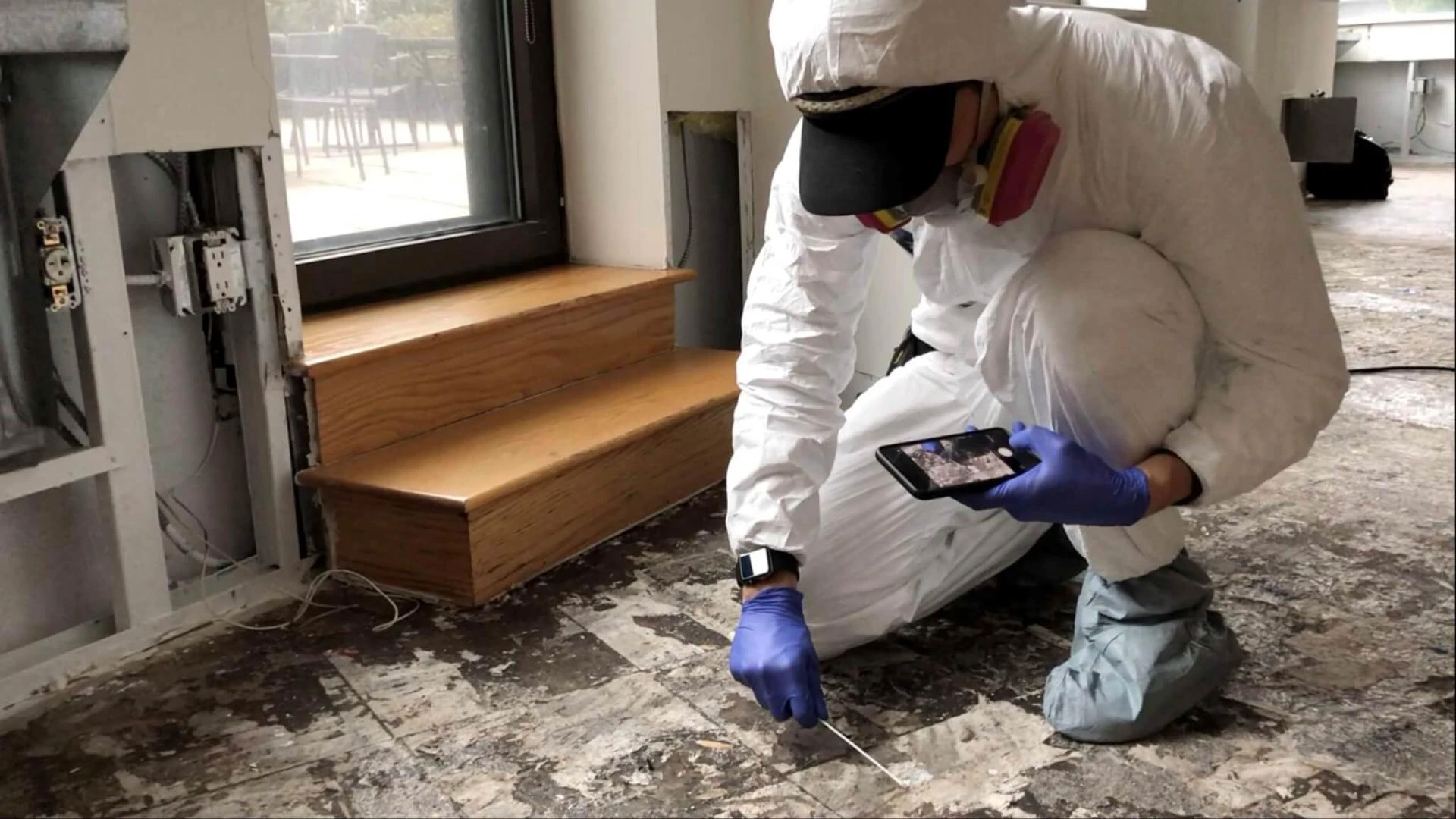

When a home is damaged by water, fire, or a storm, the path to recovery can seem overwhelming. Restoration contractor solutions are specialized services designed to handle these exact situations. They focus on repairing the damage and returning the property to its condition before the incident occurred. Unlike a general contractor, a restoration specialist uses specific techniques and equipment to mitigate ongoing issues, clean up the mess, and rebuild what was lost. This guide offers a clear look at what these professionals do and how they help homeowners get their lives back on track.
This overview draws from established industry practices to provide homeowners with practical, straightforward advice for navigating what is often a difficult and stressful time.
The Scope of Professional Restoration Services
Restoration isn't a single action but a series of coordinated steps. The type of damage dictates the approach a contractor will take. Most professional teams are equipped to handle a range of problems, each requiring a unique set of skills and tools.
Water Damage Restoration
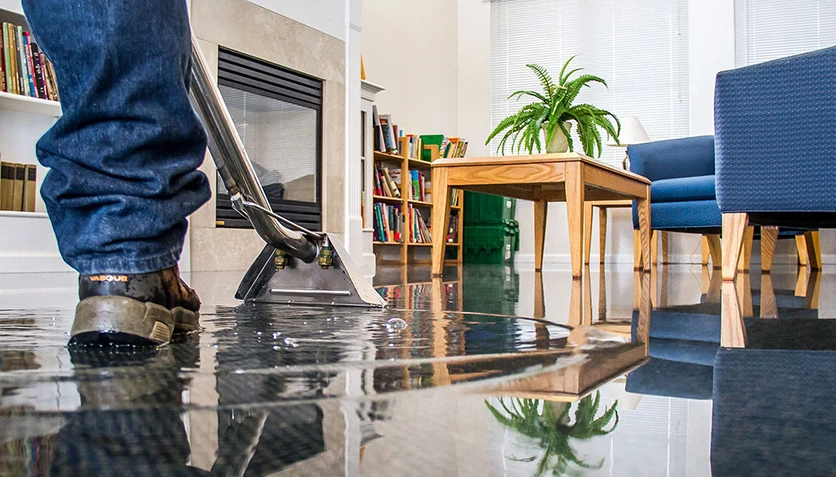
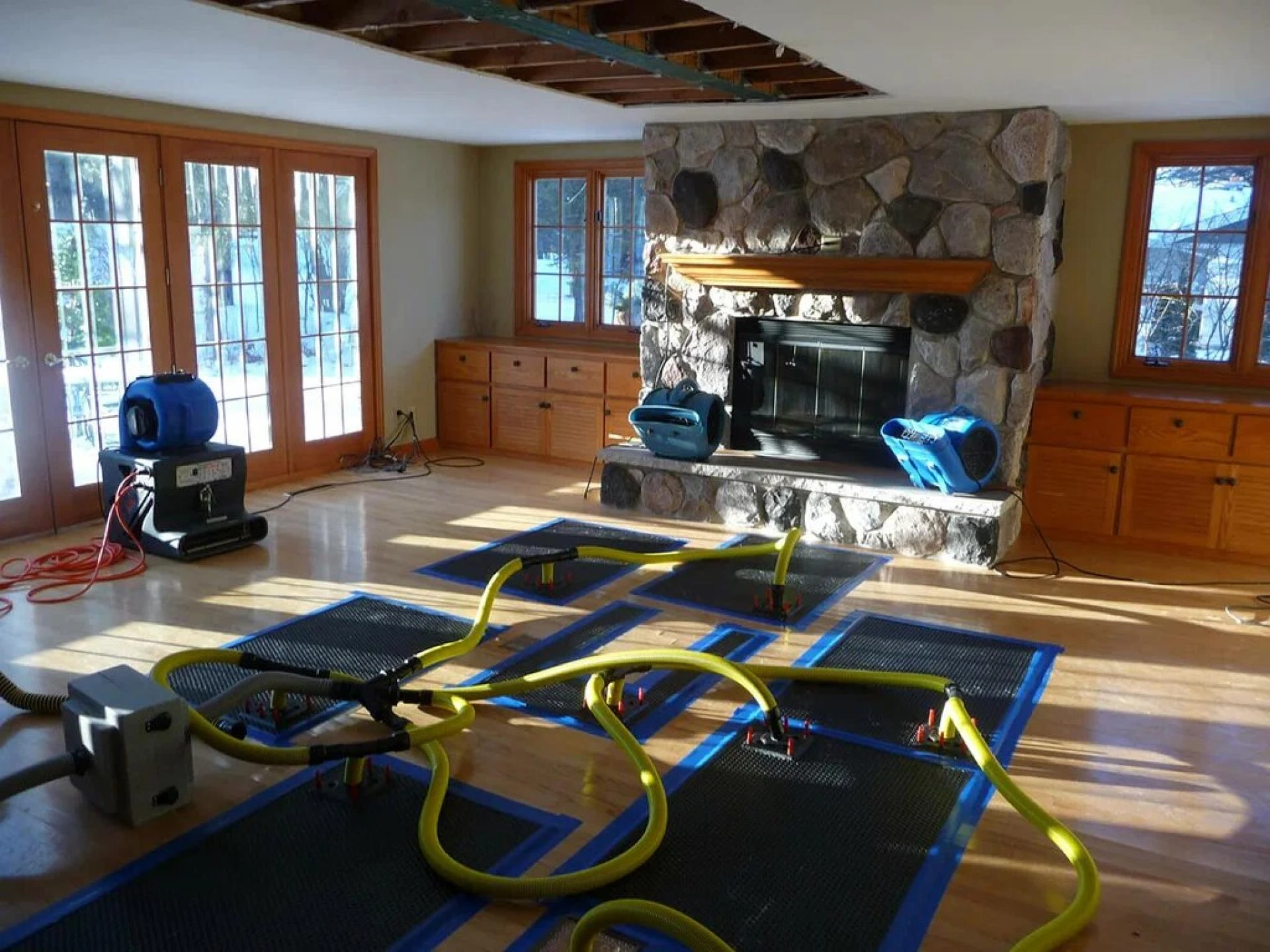
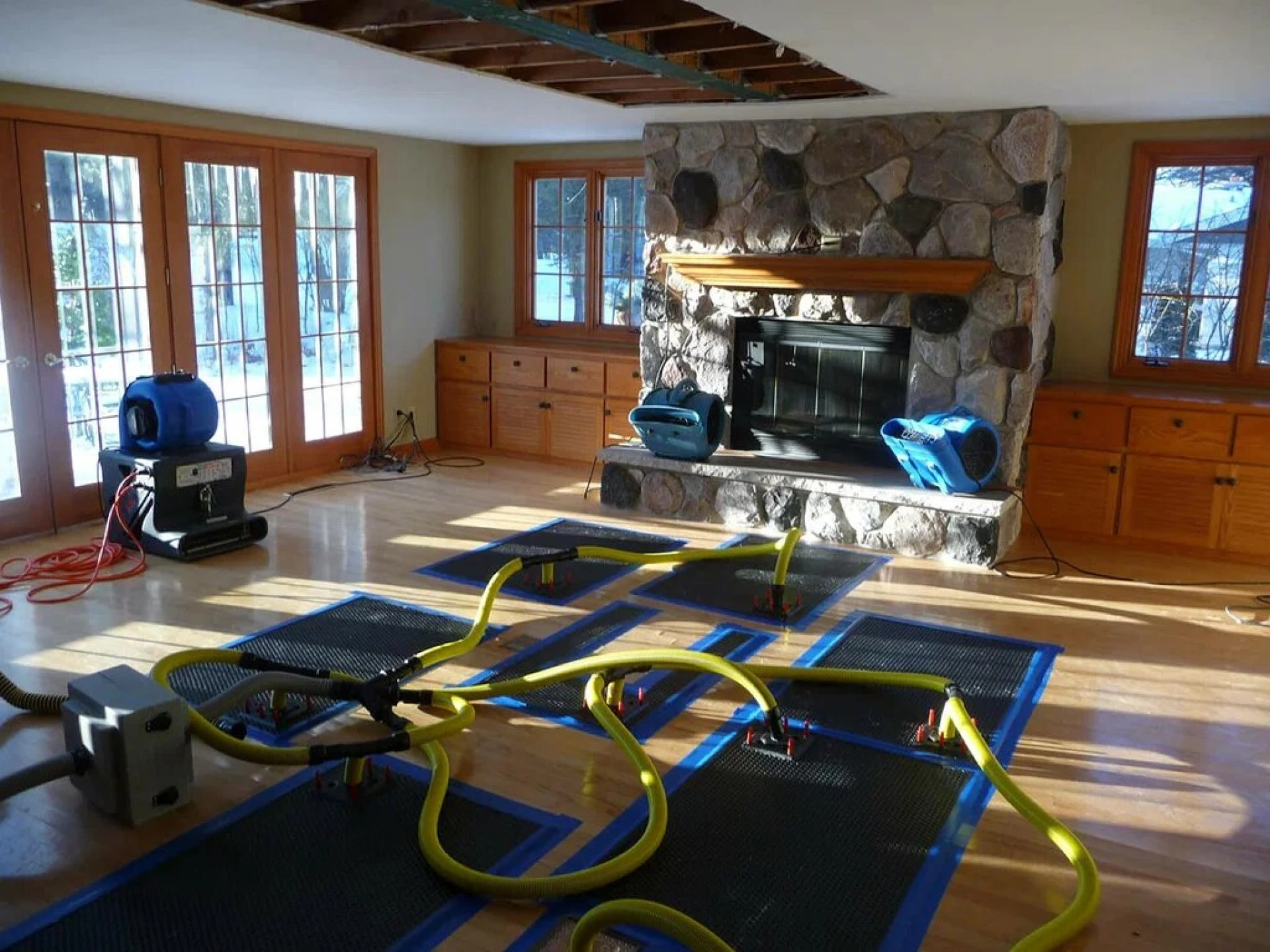
This is one of the most common reasons homeowners call for help. The process starts with removing any standing water, followed by a thorough drying and dehumidification phase. Professionals use industrial-grade air movers and dehumidifiers to remove moisture from drywall, flooring, and structural wood. Quick action is important, as mold can begin to grow within 24 to 48 hours in damp conditions.
Fire Damage Restoration
Recovering from a fire involves more than just rebuilding burned areas. Contractors must address smoke and soot damage, which can coat every surface in a home. This includes cleaning walls, ceilings, and personal belongings, as well as using special equipment like ozone generators to eliminate persistent odors. Structural assessment is also a big part of the job to ensure the home is safe.
Mold Remediation
Finding mold can be alarming, and it's a job best left to specialists. The process involves isolating the affected area to prevent spores from spreading, using high-efficiency particulate air (HEPA) filters to clean the air, removing contaminated materials, and cleaning the remaining surfaces. They also work to fix the underlying moisture problem that allowed the mold to grow in the first place.
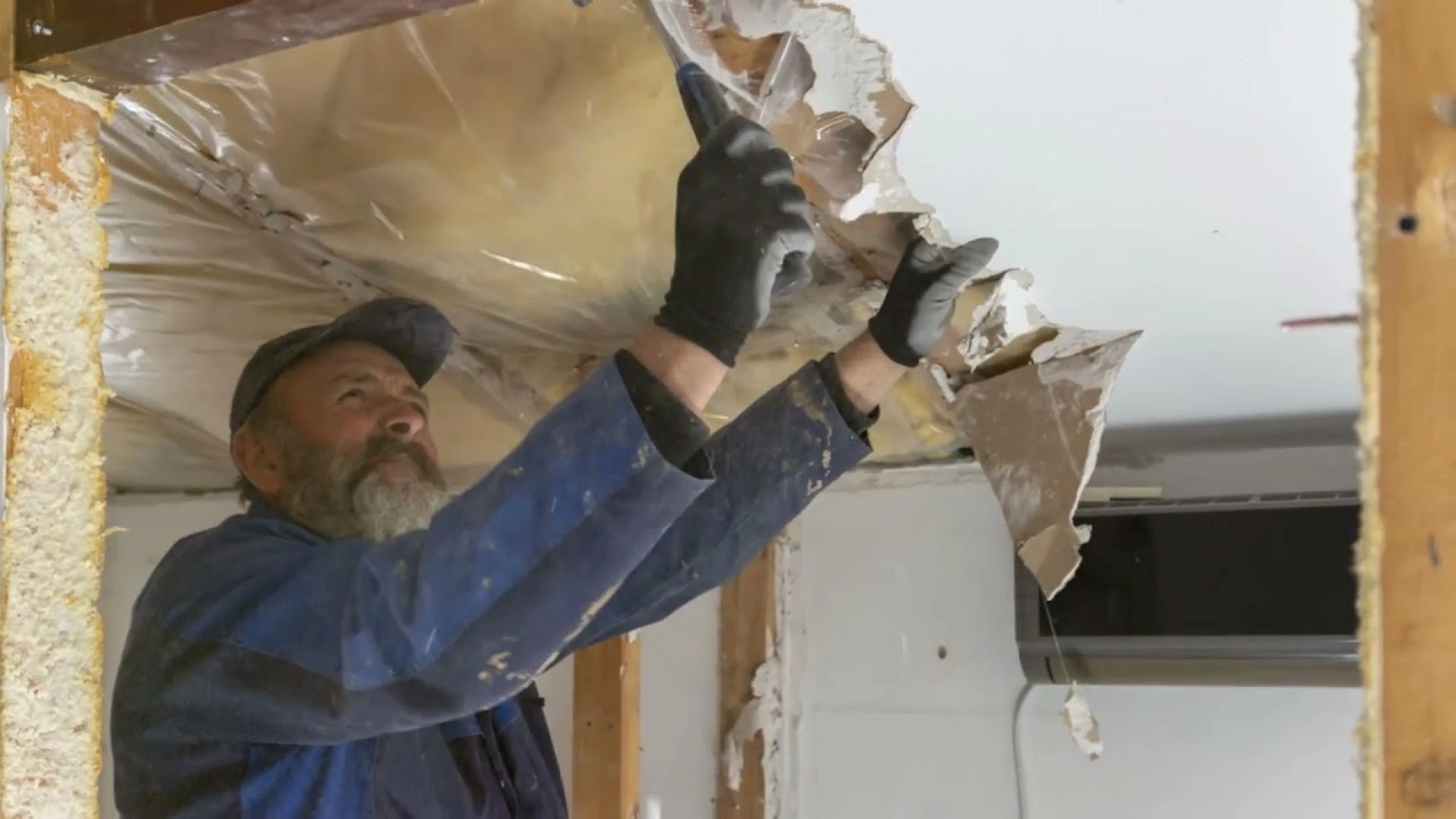
Bonus Tip: Before any cleanup starts, homeowners should take detailed photos and videos of all the damage. This documentation is incredibly helpful when filing a property claim.
Identifying When You Need a Restoration Specialist
Not every household issue requires a full-scale restoration team. A small leak under a sink might be a simple plumbing fix. However, certain situations absolutely call for professional help. If you have a flooded basement, visible mold covering more than a few square feet, or structural damage from a fire or fallen tree, it’s time to call in a specialist. Delaying a professional response, especially for water damage, can lead to much bigger problems and higher repair costs down the road.
Environmental factors can also create unique challenges, particularly in regions like the Pacific Northwest where persistent dampness and rain create issues. Homeowners here often face hidden moisture that can lead to long-term mold growth inside walls or crawl spaces. Local restoration contractors are familiar with these climate-specific problems and know what to look for, ensuring a more complete and lasting repair.
Key Differences Between Restoration and Remodeling
People sometimes use the terms "restoration" and "remodeling" interchangeably, but they are very different services. Restoration is a reactive process focused on repair, while remodeling is a proactive choice to update or improve a home. Understanding the distinction is helpful, especially when dealing with property coverage.
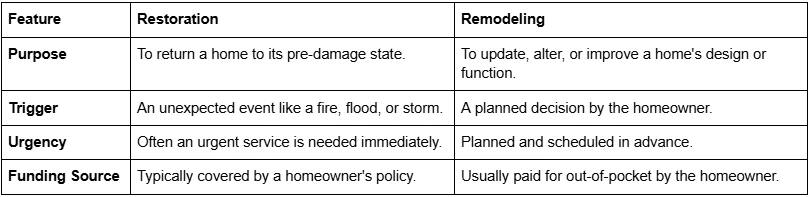
Sometimes, these two services can overlap. A homeowner might decide to make some upgrades during the restoration process, blending the repair work with a small remodeling project.
Things to Consider Before Making a Decision
Choosing the right contractor is a big decision. Homeowners should look for a few key qualifications to ensure they are hiring a reputable and skilled team.
- Certifications and Credentials: Look for contractors certified by the Institute of Inspection, Cleaning and Restoration Certification (IICRC). This is the industry standard and shows the company has trained technicians who follow proven methods. Always verify they hold the proper credentials and coverage for your state.
- Response Time: In urgent situations, every minute counts. Ask about their availability and typical response time. A company that offers 24/7 services is often a good sign.
- Experience with Property Claims: Navigating a property claim can be confusing. A contractor with experience in this area can document the damage properly and communicate directly with the adjuster, which simplifies the process for the homeowner.
- Local Reputation: Check online reviews and ask for references. A company with a strong local history and positive feedback is generally a reliable choice.
Bonus Tip: Always get a detailed, written estimate that breaks down the costs for labor and materials. Be cautious of any contractor who asks for a large upfront payment or offers a vague, non-itemized quote.
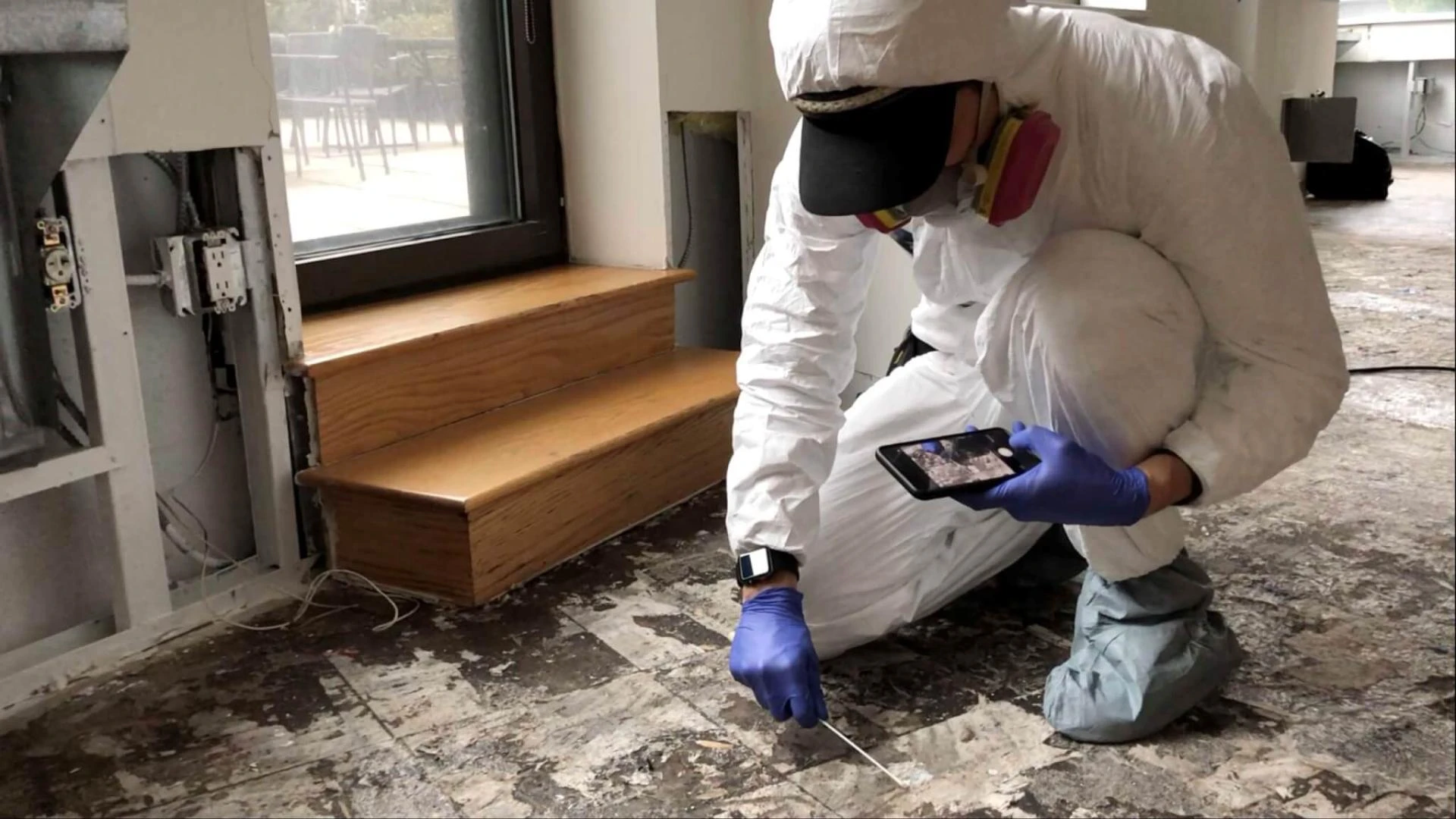
The Restoration Process Step by Step
While every situation is different, most restoration projects follow a similar pattern. Knowing what to expect can reduce some of the stress associated with the process.
- Initial Contact and Assessment: The first step is calling the contractor. They will typically send a team to the property right away to assess the extent of the damage.
- Mitigation: This phase focuses on preventing the damage from getting worse. It might involve boarding up windows, placing tarps on a damaged roof, or extracting standing water.
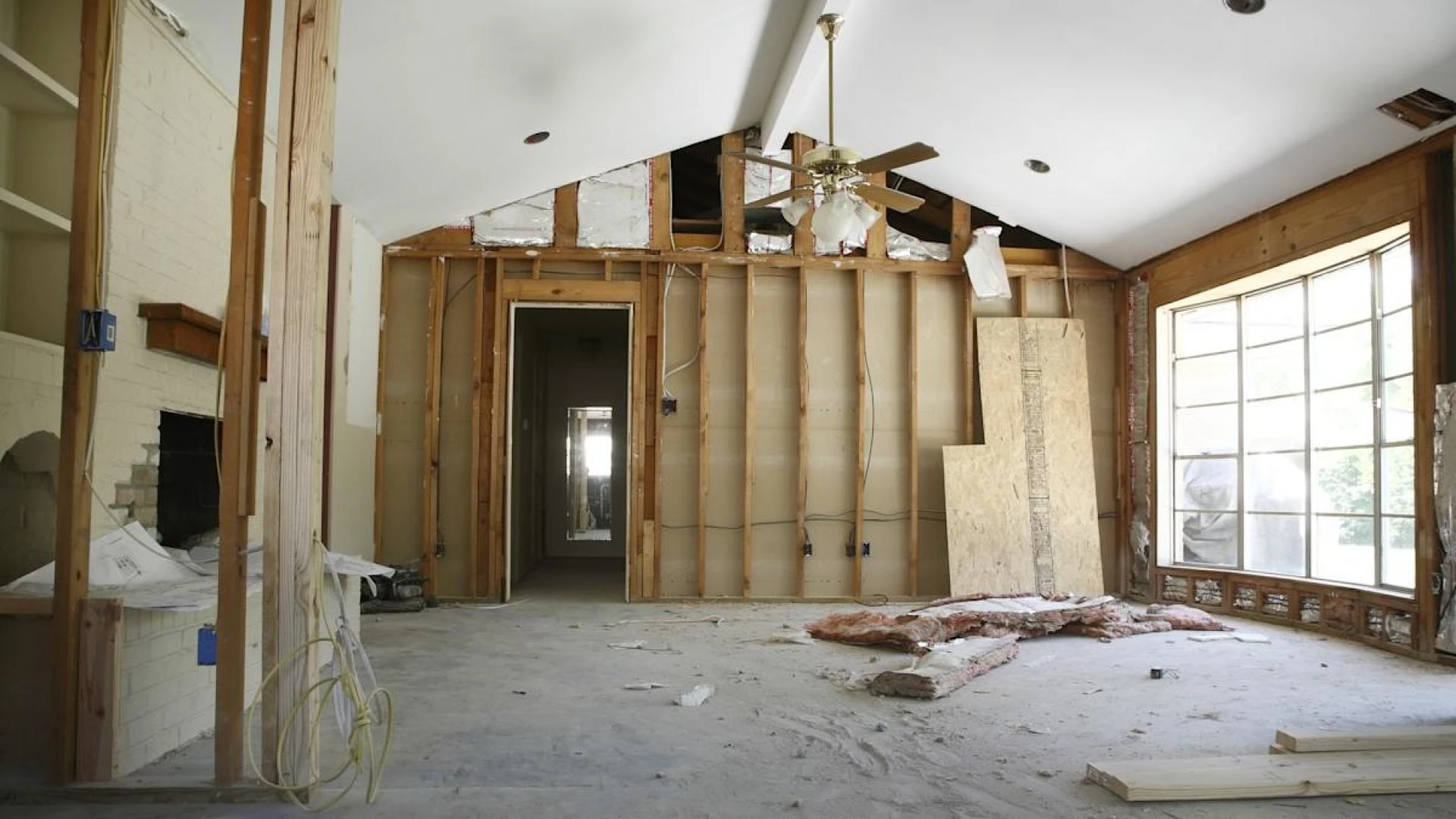
- Cleanup and Removal: Once the situation is stable, crews will begin cleaning up and removing materials that are too damaged to save. This could include tearing out wet drywall, removing burned belongings, or scrubbing soot from surfaces.
- Drying and Sanitizing: For water and mold jobs, this is a major step. The area is thoroughly dried, dehumidified, and sanitized to prevent future problems.
- Rebuilding and Repair: This is where the home starts to come back together. It involves everything from hanging new drywall and laying floors to painting and installing fixtures.
- Final Walkthrough: The contractor will walk through the completed job with the homeowner to ensure everything meets their satisfaction and the home is ready to be lived in again.
Questions People Ask About Home Restoration
How long does the restoration process take?
The timeline varies greatly depending on the type and severity of the damage. A small water leak cleanup might take a few days, while a major fire restoration could take several months. The contractor should provide a projected timeline after the initial assessment.
Will my homeowner's policy cover the full cost of restoration?
This depends entirely on the terms of your homeowner's policy. Most standard plans cover sudden and accidental damage, but coverage limits and deductibles apply. It’s best to review your policy and discuss the details with your provider's agent.
Can I stay in my home during the restoration?
For minor damage, it may be possible to stay in an unaffected part of the house. However, for large-scale projects involving fire damage or significant mold, it is often unsafe. The restoration company will advise on whether you need to arrange for temporary housing.
What is the difference between mitigation and restoration?
Mitigation services are the immediate actions taken to stop further damage. For example, boarding up a broken window is mitigation. Restoration is the process of repairing the damage that has already occurred, such as replacing the broken window and repairing the wall around it.
Do I have to use the contractor my coverage provider recommends?
No. While coverage providers often have a list of preferred vendors, the homeowner has the right to choose any contractor with the proper credentials and coverage they trust to perform the work.
Final Thoughts on Restoring Your Property
Encountering property damage is a stressful experience, but professional restoration services offer a structured path to recovery. The process is centered on making the home safe, clean, and structurally sound for the long term. A clear understanding of the steps involved and careful contractor selection are the keys to successfully managing the situation and restoring a sense of normalcy.
Finding a Trusted Restoration Partner
For homeowners facing property damage, finding a reliable team is the first step toward recovery. An experienced company can manage the entire process, from initial assessment to final repairs. Teams like Prestige NW Restoration specialize in guiding property owners through these situations. They offer comprehensive services and can answer specific questions about your property. To get professional advice or schedule an assessment, people can contact their team by phone at (360) 334-3624 or by email at [email protected].
Reviewer: Matthew Moore brings over 15 years of experience in residential renovation marketing. The review provided helped shape this content to better connect with homeowners seeking reliable, high-quality restoration and home improvement services.
























Sign in to leave a comment.