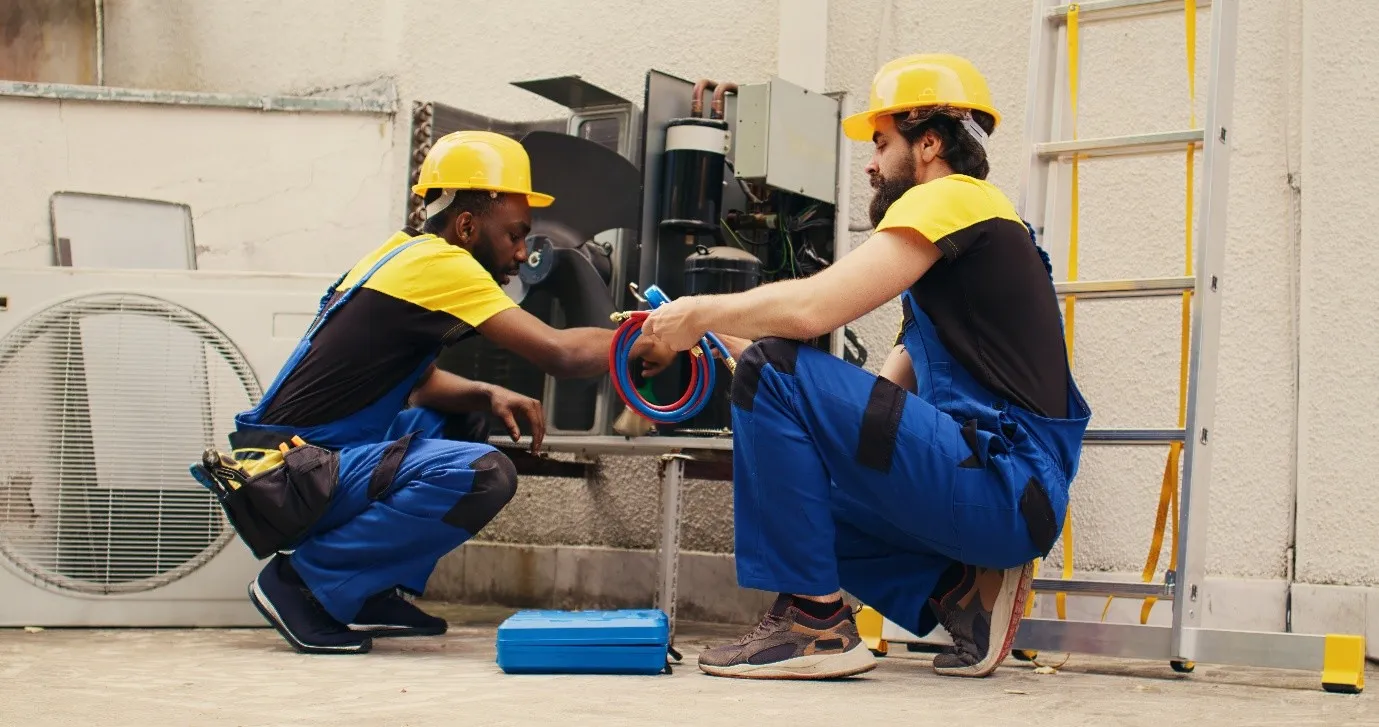

Did you know that buildings use nearly 40% of global energy, and a large part of it goes into cooling systems? This is why the shift toward cleaner and smarter cooling is growing fast. Today, sustainable cooling technologies are no longer optional. They are becoming a practical need for better energy use and lower environmental impact.
They are also changing how systems are designed and upgraded. Instead of relying on older refrigerants, many industries are now moving toward hydrocarbon-based solutions. As a result, the choice between retrofitting and new installations has become more important than ever.
Why Hydrocarbon Refrigerants Are Getting Attention
Hydrocarbon refrigerants are becoming popular in modern cooling systems. The reason is simple. They are cleaner, efficient, and future-ready.
These refrigerants have a Global Warming Potential (GWP) of 1 and an Ozone Depletion Potential (ODP) of 0. This means they have almost no impact on the ozone layer and very low climate effect.
Even more important, they can reduce energy use by around 30% to 50% in many systems. That is a big saving for both homes and businesses. They are also made from natural hydrocarbon blends. Because of this, they fit well into modern energy-efficient cooling systems.
Retrofitting: A Simple Way to Upgrade Existing Systems
Retrofitting means improving an old system instead of replacing it completely. In this process, parts or refrigerants are upgraded to improve performance. This option is often chosen when businesses want better efficiency without high installation costs. It is also useful when the existing system is still in good condition.
In places like California, where energy rules are strict, retrofitting is a common step. It helps older systems meet new standards without full replacement. However, not every system is suitable. Older or heavily worn systems may not perform well even after upgrades. In such cases, performance gains may be limited.
Still, when done correctly, retrofitting can improve cooling efficiency and reduce energy use. It also helps extend the life of existing equipment.
New Installations: Built for Modern Cooling Needs
New installations are designed from scratch. This means every part of the system is built to work with modern refrigerants and energy goals. These systems are often more efficient because they are optimized from the beginning. They include updated compressors, better heat exchange designs, and smarter controls.
In hot regions like Arizona and Texas, this becomes very important. Cooling demand is high for most of the year. So, new systems help maintain strong performance even in extreme heat.
Although the initial investment may vary, new installations often deliver strong long-term value through improved energy efficiency and optimized system performance.
Retrofitting vs New Installation: How to Decide
Choosing between the two depends on your system condition and goals.
Retrofitting works best when:
- The system is still in good shape
- You want a lower-cost upgrade
- You need faster improvements
New installations work best when:
- The system is old or inefficient
- You want maximum energy savings
- Long-term performance is the priority
Both options support cleaner cooling. But hydrocarbon refrigerants perform best in systems designed specifically for them.
Safety and Performance Matters
Hydrocarbon refrigerants are flammable, so system design must focus on safety. Modern systems handle this with sealed components, proper airflow, and built-in safety controls. When properly designed, these systems are safe and highly efficient. They also offer stable cooling performance and lower environmental impact. This balance of safety and efficiency is one of the main reasons they are being widely adopted today.
Regional Trends in Cooling Upgrades
Different regions are moving in slightly different directions. In California, strict energy rules are encouraging retrofitting as a quick upgrade option for older systems. In Texas and Arizona, where heat levels are much higher, many users prefer new installations. These systems are better suited for heavy cooling demand and long operating hours. Across all regions, the goal is the same: reduce energy use while improving cooling performance.
Key Takeaway
Both retrofitting and new installations come with their own advantages. Retrofitting is a quicker approach and can fit well within a limited budget. New installations are designed for long-term performance, offering strong efficiency and system optimization.
With hydrocarbon refrigerants delivering a GWP of 1, zero ozone impact, and energy savings of around 30% to 50%, both options support cool sustainable technology and cleaner cooling outcomes. In the end, the choice depends on system condition, available budget, and long-term energy goals for efficient and sustainable cooling planning.























Sign in to leave a comment.