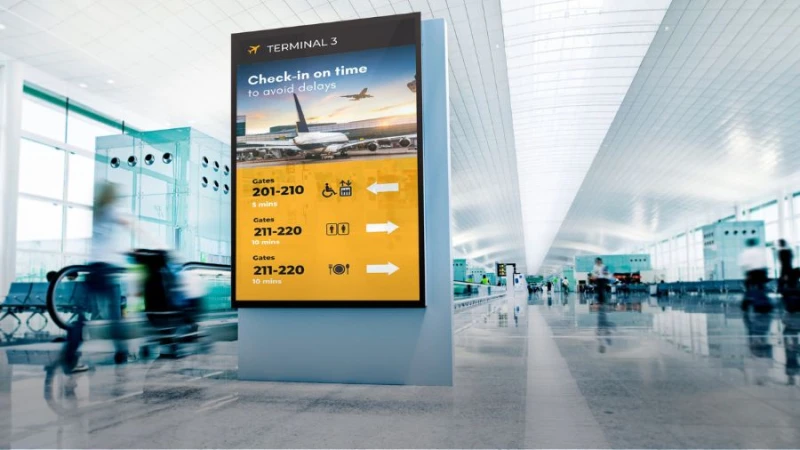

In the fast-paced world of tourism, staying ahead of the competition requires innovative strategies that captivate and engage visitors. In this digital era, one such game-changing technology is powerful digital signage software. As tourism continues to evolve, embracing cutting-edge solutions can significantly enhance the visitor experience, streamline operations, and boost revenue. We will explores the transformative potential of digital signage software in the tourism industry, delving into its key features, benefits, and real-world applications.
Enhancing Visitor Experience:
Digital signage offers a dynamic and interactive platform to communicate with tourists effectively. From vibrant displays at entry points to informative touchscreens in visitor centers, these technologies create immersive experiences. Imagine a tourist arriving at a destination greeted by a large, high-resolution display showcasing upcoming events, local attractions, and real-time weather updates. Such personalized and visually appealing content enhances the overall visitor experience, making it more memorable and enjoyable.
Real-time Information and Updates:
In the fast-paced tourism industry, timely and accurate information is crucial. Digital signage allows for instant updates on events, promotions, and changes in schedules. For instance, a digital display in a hotel lobby can showcase real-time updates on local transportation options, weather conditions, and exclusive offers for guests. This ensures that tourists are always well-informed, contributing to a positive perception of the destination and encouraging repeat visits.
Additionally, real-time information can be particularly beneficial during emergencies or unexpected events, providing tourists with instant guidance and support. This aspect of digital signage contributes to both safety and satisfaction, crucial elements in the tourism experience.
Interactive Wayfinding:
Lost or confused tourists can be a common challenge in unfamiliar destinations. Digital signage software can revolutionize wayfinding by providing interactive maps and directions. Touchscreen kiosks strategically placed in key locations, such as airports, city centers, and tourist hotspots, enable users to easily navigate their surroundings. This not only enhances the convenience for visitors but also reduces the workload on local tourism information centers.
Monetizing Spaces with Advertising:
Digital signage is not just a tool for information; it is also a powerful advertising platform. Local businesses, attractions, and service providers can leverage digital signage spaces to promote their offerings. This creates a new revenue stream for tourism boards and businesses while simultaneously offering valuable recommendations to tourists.
For example, a digital display in a popular tourist area could showcase sponsored content, such as restaurant specials or exclusive discounts. This symbiotic relationship between local businesses and the tourism industry not only benefits both parties financially but also enriches the overall experience for visitors by presenting them with curated and relevant offerings.
Seamless Event Promotion:
Tourist destinations often host various events and activities. Digital signage software can be instrumental in promoting these events effectively. Dynamic displays in public spaces can broadcast event schedules, highlights, and important details, ensuring that tourists are aware of and encouraged to participate in local happenings. This not only boosts attendance but also contributes to the overall vibrancy and cultural richness of the destination.
Operational Efficiency:
Behind the scenes, digital signage software streamlines operations in the tourism sector. Centralized content management systems allow for easy scheduling and updating of content across multiple displays. This is particularly beneficial for large-scale events, conferences, or attractions with multiple information points. Additionally, the ability to remotely manage and monitor displays reduces the need for on-site personnel, leading to cost savings and increased efficiency.
Data Analytics for Informed Decision-Making:
Digital signage software provides valuable insights through data analytics. By tracking user interactions and engagement with displayed content, tourism boards and businesses can gather valuable information about visitor preferences and behavior. This data can inform strategic decisions, such as optimizing content, refining marketing strategies, and tailoring offerings to better meet the needs of tourists.
Conclusion:
In the ever-evolving landscape of tourism, embracing powerful cloud based digital signage software proves to be the ultimate gamechanger. From enhancing the visitor experience with immersive displays to streamlining operations and creating new revenue streams through advertising, the applications are diverse and impactful. As destinations strive to stand out in a competitive market, leveraging the potential of digital signage can redefine the way tourists engage with and perceive a location. The integration of this technology not only meets the demands of the modern traveler but also sets the stage for a more connected, informed, and memorable tourism experience.




























Sign in to leave a comment.