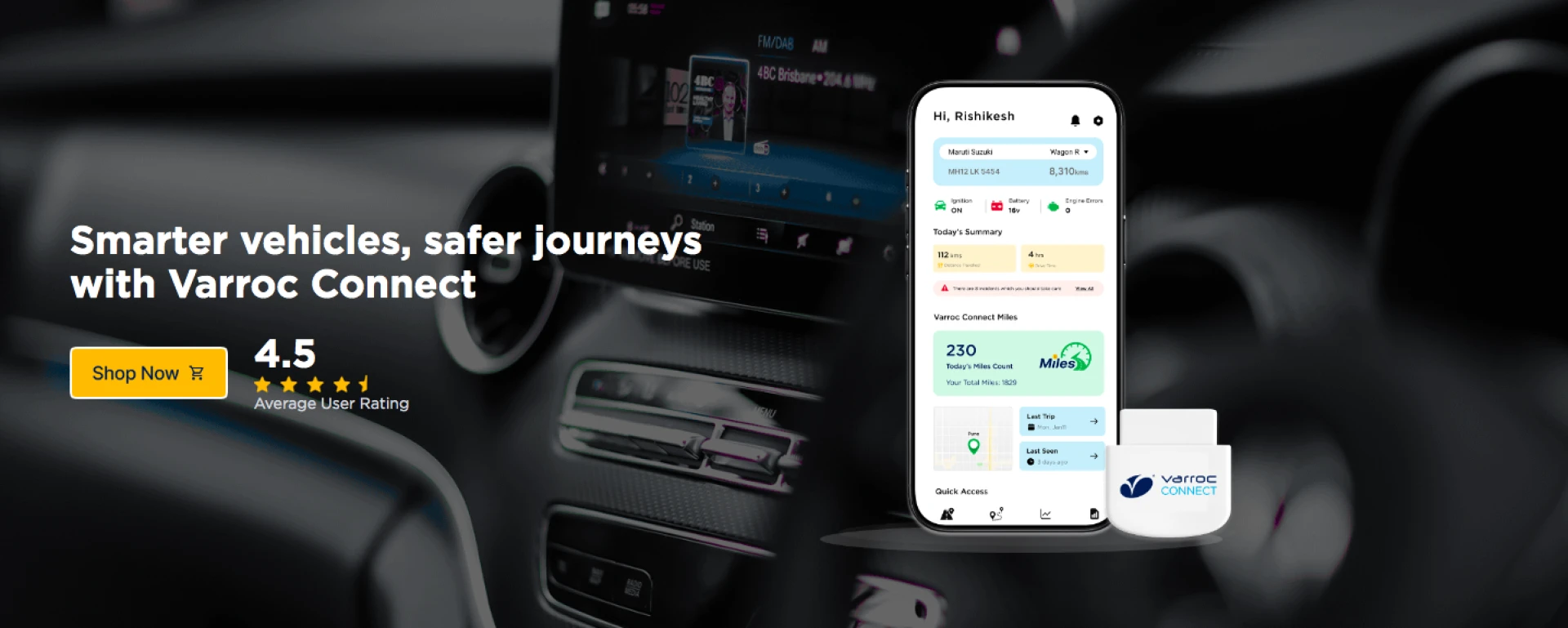

In today’s fast-paced world, the automotive industry is undergoing a massive transformation driven by connected technologies and data intelligence. Among these advancements, the automotive GPS tracking system has emerged as a game-changer for both individual car owners and fleet managers. Beyond location tracking, modern GPS solutions integrate cloud-based analytics, IoT sensors, and telematics to deliver deep insights into vehicle performance, driver behavior, and operational efficiency.
The Evolution of Automotive Tracking
The earliest vehicle tracking systems were simple location-based tools designed to pinpoint a car’s position on a map. However, today’s automobile tracking devices are far more advanced. They not only track the vehicle’s location in real time but also collect critical data such as speed, fuel consumption, engine health, and route optimization. This data is transmitted to the automotive cloud, where it can be analyzed and presented through user-friendly dashboards and mobile applications.
The integration of cloud computing has taken vehicle tracking from basic navigation assistance to a complete vehicle intelligence ecosystem. Automotive manufacturers and fleet operators now rely on this data to enhance safety, reduce maintenance costs, and improve driver productivity.
How Automotive GPS Tracking Systems Work
A modern automotive GPS tracking system functions through a network of GPS satellites, cellular connectivity, and cloud-based analytics. A small tracking device is installed in the vehicle, which constantly communicates with satellites to determine its precise location. The collected data is then transmitted to a cloud platform where it is processed and stored securely.
Users can access this information through a web portal or mobile app to monitor their vehicle’s real-time movement, analyze trip reports, and even receive instant alerts in case of unusual activities such as route deviation or unauthorized use.
Moreover, integration with the automotive cloud ensures that this data is accessible anytime, anywhere — empowering users to make data-driven decisions about their vehicle or fleet operations.
Applications of Auto Tracking Devices for Cars
The utility of auto tracking devices for cars extends beyond location visibility. Today, they play a vital role in several key areas:
- Fleet Management:
Businesses with multiple vehicles can use tracking systems to optimize routes, reduce idle time, and monitor driver performance. Real-time insights help improve fuel efficiency and reduce operational costs.
- Safety and Security:
Automotive tracking devices help prevent vehicle theft by providing instant alerts if a car moves without authorization. Geo-fencing features allow users to define virtual boundaries, ensuring vehicles stay within approved zones.
- Predictive Maintenance:
Many devices integrate with the vehicle’s onboard diagnostics (OBD) system, providing information about engine performance, battery health, and potential mechanical issues. This proactive approach reduces downtime and extends vehicle lifespan.
- Driver Behavior Analysis:
Tracking systems can assess acceleration, braking patterns, and speed limits to encourage responsible driving and minimize accident risks. For commercial fleets, this directly translates to improved safety records and lower insurance costs.
- Data-Driven Decision Making:
The integration of automotive cloud technology provides centralized data storage and analytics. Fleet managers can review performance trends, identify inefficiencies, and plan better resource utilization.
Benefits for Individual Owners and Fleet Operators
For individual car owners, automobile tracking devices provide peace of mind and convenience. Knowing the exact location of your car, receiving maintenance reminders, and being alerted about unusual activities enhances the overall ownership experience.
Fleet operators, on the other hand, benefit from higher efficiency and transparency. Automated reporting reduces administrative tasks, while cloud-based data visualization offers a holistic view of fleet performance. The ability to track vehicles in real time enables better coordination, timely deliveries, and improved customer satisfaction.
The Role of the Automotive Cloud
The automotive cloud is at the heart of connected vehicle ecosystems. It acts as a central hub for data collection, analysis, and storage. By connecting vehicles to the cloud, automotive companies can offer services such as remote diagnostics, over-the-air updates, and personalized driving insights.
For businesses, cloud integration allows scalable management of hundreds or even thousands of vehicles from a single dashboard. It also facilitates collaboration across departments, from operations to customer support, creating a seamless flow of information.
Emerging Trends in Automotive GPS Tracking
The future of vehicle tracking lies in further integration with artificial intelligence (AI), machine learning (ML), and Internet of Things (IoT) technologies. AI-powered analytics will allow predictive insights, such as identifying maintenance needs before a breakdown occurs or recommending optimal driving routes based on traffic patterns.
Electric vehicle (EV) monitoring is another rising trend, as tracking systems evolve to include battery management data, charging status, and range optimization. Furthermore, enhanced cybersecurity protocols ensure that vehicle data remains safe from unauthorized access.
Conclusion
As the automotive industry moves toward smarter, more connected ecosystems, automotive GPS tracking systems are becoming indispensable tools for both private owners and fleet operators. These systems, powered by cloud computing and real-time analytics, are transforming vehicles into intelligent assets capable of self-monitoring and optimization.
Whether for safety, efficiency, or convenience, auto tracking devices for cars play a crucial role in redefining the driving experience. With the growing adoption of automobile tracking devices and automotive cloud solutions, the road ahead is set to be safer, smarter, and more connected than ever before.



























Sign in to leave a comment.