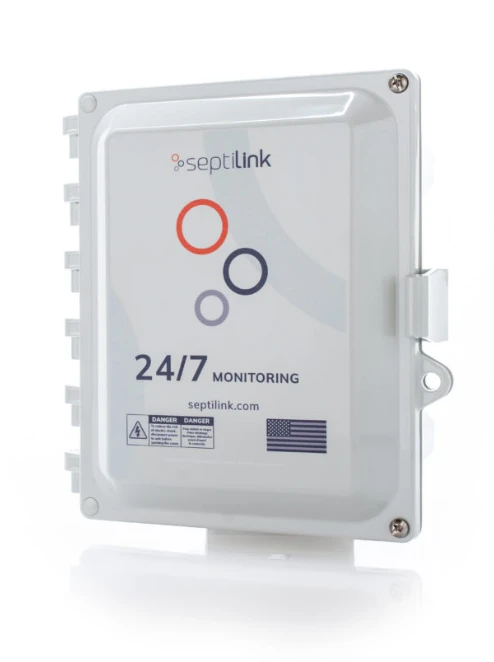

In our fast-paced world, the marriage of technology with everyday systems has become essential. One area undergoing significant transformation is wastewater management, driven by advancements in septic system monitoring. This innovative technology offers remarkable benefits for both homeowners and industry professionals, combining environmental responsibility with operational efficiency.
The Importance of Septic System Monitoring
To truly grasp the significance of septic system monitoring, it’s important to understand what it involves. This technology uses Internet of Things (IoT) devices to continuously track the health of septic systems. These smart tools collect data on tank levels, flow rates, and overall system performance, transmitting the information to cloud-based platforms for real-time analysis and alerts.
Benefits for Homeowners
For homeowners, septic system monitoring delivers several valuable advantages:
- Early Detection of Issues: Timely alerts help address minor problems before they escalate into costly repairs.
- Cost Efficiency: Preventive monitoring reduces the likelihood of expensive emergency maintenance.
- Environmental Protection: Proper system performance prevents groundwater contamination and protects surrounding ecosystems.
Industry Insights and Innovations
Wastewater professionals are increasingly relying on septic system monitoring to improve service outcomes:
- Data-Driven Decisions: Real-time insights allow professionals to optimize system performance and minimize downtime.
- Predictive Maintenance: Trend analysis helps anticipate maintenance needs before failures occur.
- Resource Management: Efficient monitoring improves scheduling, reduces labor costs, and enhances service reliability.
How IoT Is Transforming Wastewater Management
The Internet of Things (IoT) is the backbone of this transformation. By connecting physical infrastructure to digital networks, IoT enables seamless data exchange and automation within septic systems.
Integration of IoT in Septic Systems
- Smart Sensors: Continuously monitor critical parameters and provide remote access to real-time data.
- Cloud-Based Platforms: Analyze collected data to deliver actionable insights and reports.
- Automated Alerts: Instantly notify homeowners or service providers when system thresholds are exceeded.
Future Trends in Septic Monitoring
As technology continues to evolve, IoT-driven wastewater systems will become even more advanced:
- Enhanced Analytics: Deeper insights through AI-powered data analysis.
- Increased Connectivity: More interconnected systems creating efficient wastewater networks.
- Sustainability Initiatives: Reduced environmental impact through smarter water and waste management.
Community Impact of Advanced Wastewater Systems
Septic system monitoring extends its benefits beyond individual users to entire communities:
- Public Health Protection: Reduces contamination risks and safeguards drinking water sources.
- Environmental Preservation: Prevents leaks and overflows that damage ecosystems.
- Community Wellbeing: Improves living standards and supports sustainable development.
A Look Into the Future
As adoption grows, septic system monitoring is expected to become an industry standard. This evolution will likely include:
- Widespread Implementation: Greater affordability and accessibility driving adoption.
- Regulatory Support: Government encouragement or mandates to promote environmental safety.
- Innovation in Design: Continuous improvements fueled by research and technological advancement.
Conclusion
The rise of septic system monitoring represents a major step forward in modern wastewater management. Homeowners benefit from peace of mind, cost savings, and environmental protection, while industry professionals gain efficiency and reliability. Most importantly, communities enjoy cleaner environments and improved public health.
What was once a luxury has now become a necessity. As environmental challenges grow, embracing smart wastewater solutions is essential. The future of wastewater management is here—powered by innovation, data, and a commitment to sustainability.















Sign in to leave a comment.