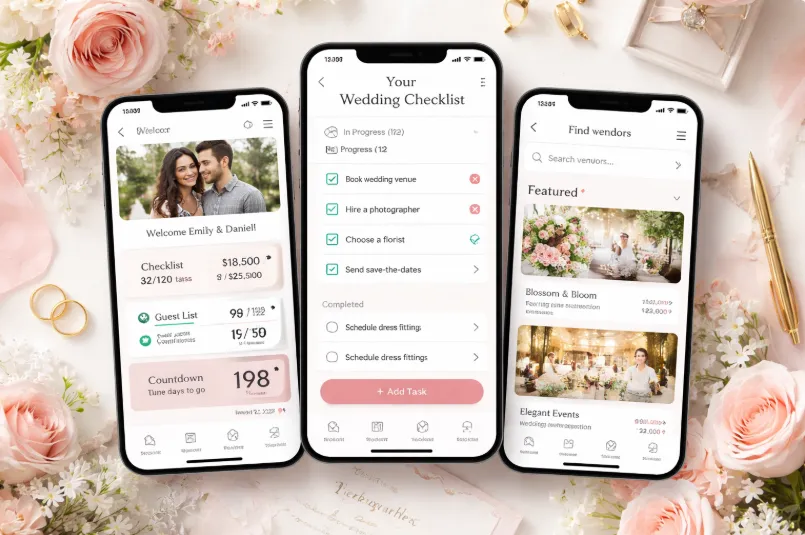

Planning a wedding is one of the most exciting yet demanding experiences in life. With so many details to manage, having a clear structure can make all the difference. A well-organized wedding planning timeline ensures that every decision, from booking a venue to finalizing the guest list, happens at the right moment without unnecessary stress.
Why a Wedding Timeline Matters
A timeline is not just a checklist; it is a strategic plan that allows you to distribute tasks over several months. Without it, couples often face last-minute pressure, overspending, or missed opportunities.
One key benefit is financial control. When expenses are spread out over time, it becomes easier to manage budgets without feeling overwhelmed. Another advantage is better decision-making. When you are not rushed, you can compare options, negotiate effectively, and choose what truly fits your vision.
12+ Months Before: Building the Foundation
Budget Planning and Priorities
The first step is setting a realistic budget. Instead of assigning random numbers, break your budget into categories such as venue, food, attire, and décor. A helpful approach is to rank priorities. For example, if photography matters most, allocate more funds there while adjusting other areas.
Guest List Draft
Creating an initial guest list helps determine the scale of your wedding. This impacts venue size, catering costs, and logistics. Keep a flexible list with categories like “must invite” and “optional.”
Venue Booking
Popular venues get booked quickly, especially during peak seasons. Securing your venue early not only ensures availability but may also provide better pricing options.
9–12 Months Before: Shaping the Vision
Choosing Vendors
This stage involves selecting key vendors such as caterers, photographers, and decorators. Instead of choosing based only on price, consider reliability and communication style. A vendor who responds promptly can save you from unnecessary stress later.
Theme and Style Decisions
Your wedding theme influences almost every aspect, from invitations to attire. Whether you prefer a traditional setting or a modern celebration, defining your theme early helps maintain consistency.
Attire Planning
Wedding outfits often require multiple fittings. Starting early ensures enough time for adjustments. It also allows you to explore options without rushing into a decision.
6–9 Months Before: Bringing Details Together
Invitations and Stationery
Designing invitations takes time, especially if you want something unique. Consider including helpful details like accommodation suggestions for out-of-town guests.
Menu Planning
Food is one of the most memorable parts of any wedding. Work with your caterer to create a balanced menu that caters to different dietary preferences. Including a mix of familiar dishes and a few unique options can leave a lasting impression.
Photography and Videography
At this stage, discuss specific shots or moments you want captured. For instance, you may want candid family interactions or behind-the-scenes preparations documented.
3–6 Months Before: Refining the Plan
Finalizing Vendors
Confirm all bookings and review contracts carefully. Ensure timelines, deliverables, and payment schedules are clearly understood.
Dress Fittings
Schedule fittings for both partners and key family members. This ensures everyone looks coordinated and comfortable.
Logistics Planning
Plan transportation, accommodation, and event flow. For example, consider how guests will move between ceremony and reception venues. Small logistical details can significantly impact guest experience.
1–3 Months Before: Final Preparations
RSVPs and Seating Arrangements
Track responses and finalize seating plans. Group guests based on relationships or shared interests to encourage interaction.
Final Payments
Complete pending payments to vendors and keep receipts organized. This avoids confusion during the final days.
Personal Touches
This is the perfect time to add meaningful details, such as handwritten notes or customized favors. These elements often leave a lasting impression on guests.
Final Weeks: Polishing Every Detail
Rehearsal
Conduct a rehearsal to ensure everyone knows their roles. This reduces uncertainty and builds confidence.
Packing Essentials
Prepare a wedding-day kit with items like safety pins, extra makeup, snacks, and important documents. Think of it as a “backup plan in a bag.”
Last-Minute Checks
Confirm all arrangements with vendors and double-check timelines. Ensure contact numbers are easily accessible.
A Practical Example of Timeline Success
Consider a couple who started planning 14 months before their wedding. They secured their venue early, allowing them to choose their preferred date. By spreading tasks over time, they avoided last-minute pressure.
They also created a shared digital checklist, updating it weekly. This simple step kept them organized and ensured nothing was overlooked. As a result, their wedding day felt relaxed and enjoyable rather than rushed.
This example highlights how a structured wedding planning timeline can transform the entire experience.
Conclusion
A well-planned wedding is not about perfection but about preparation and balance. By following a clear timeline, you can manage tasks efficiently, make thoughtful decisions, and enjoy the process without unnecessary stress.
From setting a budget to finalizing details, each stage plays an important role in creating a memorable celebration. With careful planning, practical strategies, and a focus on what truly matters, your wedding journey can be as joyful as the big day itself.































Sign in to leave a comment.