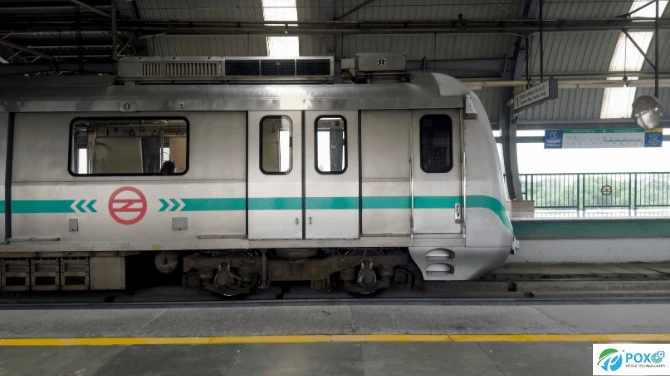
The metro system is among the most populated public transportation systems, moving millions of people daily in metropolitan areas. While metro authorities care about efficient, fast-moving transportation, ultimately, their riders' security and safety in transit are paramount. As the population of urban areas continues to increase, urban authorities are having more problematic issues regarding crowd control, unauthorized entry, and emergency response. This is where RFID tag technology is a reliable solution, ensuring safer travel for passengers and better management for authorities.
How RFID Tag Increases Passenger Security
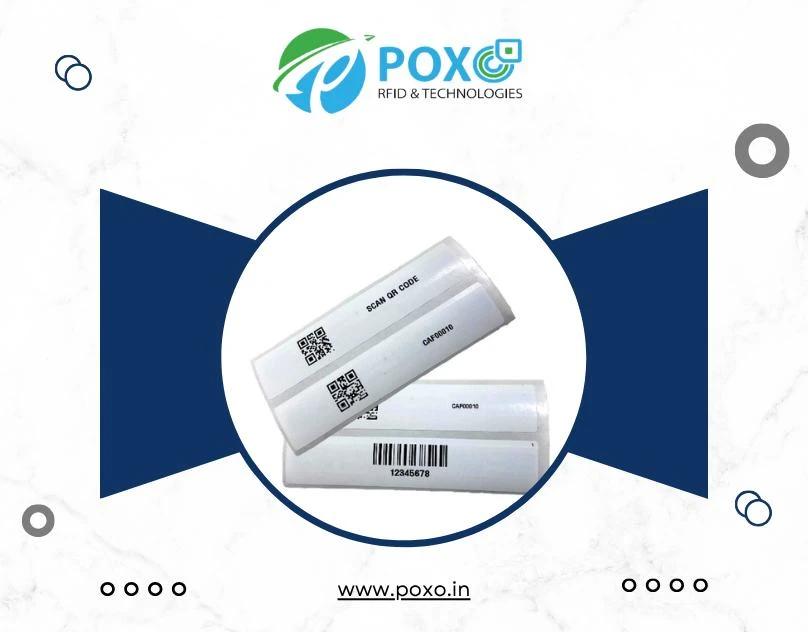
An RFID tag is a very tiny chip that can hold and pass information wirelessly when it is accessed through a reader. RFID tags can be used in metro systems on access cards, gates, employees' cards, equipment, or even emergency equipment. Through the alignment of the tags with a network system, metro authorities are able to track people and resources in real time.
For instance:
Travelers may utilize RFID-based smart cards for secure entry and exit, limiting the extent of ticket fraud.
Authorized personnel may be given RFID ID cards, thus restricting access only to approved people to sensitive areas.
Emergency equipment, such as medical kits or fire extinguishers, can be marked to enable easy traceability in case of emergencies.
This form of tracking does not interfere with safety but provides improved safety.
Managing Unauthorized Access
One of the most important uses of RFID tags in the metro is for access control. Metro terminals and stations may have areas that are off-limits, such as power plants, signaling centers, and control rooms. Only authorized personnel may access these places via RFID-based staff cards. The system will capture automatically who came in, when, and for how long.
This deters unauthorized entry and enhances security. In the event of a security violation, officials have a virtual trail to trace in a hurry.
Crowd Management and Emergency Evacuation
During peak hours, controlling excess passengers within the subway stations is a problem. RFID tags assist in tracking passenger flow in and out at every gate in real time. The passenger movement can be managed, the proliferation of staff to busy areas managed, or trains added to a schedule through the information collected in this manner.
In the case of emergencies such as fire, power failures, or accidents, any RFID information could be used during evacuation. The authorities can track the remaining passengers in the station and can lead individuals to secure points rapidly. This prevents confusion and helps in orderly evacuation.
Safety of Metro Assets
Passenger safety also relies on the fitness of metro assets and equipment. RFID tags can be installed on assets such as signaling equipment, elevators, escalators, and even trains. These tags hold maintenance history and inform operators when there is overdue maintenance. It ensures that safety-critical equipment is in good working condition at all times, minimizing the chances of accidents.
For passengers, it means more confidence and faith in metro systems.
Benefits for Passengers and Authorities
Use of RFID tag systems on metro lines benefits both authorities and passengers:
~Faster and More Efficient Boarding - With RFID ticketing, long queues get shorter and fraud is virtually eliminated.
~Controlled Access - There is no access to restricted areas for unauthorized users, promoting safety.
~Monitor Traffic in Real Time - Passenger flow can be monitored to ensure that systems do not exceed capacity.
~Emergency Evacuations - RFID data will track Pax and help expedite that evacuations/rescue in any situation.
~Safe Assets - Compliance with the operations of critical assets would ensure the safety of every passenger every day.
The Potential of Safe Metro Systems using RFID
As cities adopt smart transport, RFID technology is leading the way to safer metros. With the integration of IoT, AI, and 5G connectivity, metro operators will be able to analyze and predict threats to safety, monitor their systems in real-time, and respond to emergencies instantly.
Visualize a metro where the system is capable of indicating that a station is overcrowded in real time and directs passengers to alternative gates. Or a system where RFID tags provide immediate warnings of malfunctioning equipment, preventing accidents in their tracks. This future exists today.
Poxo's Contribution to Metro Travel Safety
It is at Poxo RFID Automation that our vision is to create advanced RFID tag solutions that augment safety, along with efficiency in metro networks. Right from access control to real-time monitoring, our RFID systems are designed to deal with the complexity of large-scale urban transportation networks.






















Sign in to leave a comment.