

Heavy lifting operations play an important role in industries such as construction, manufacturing, transportation, shipping, and energy. Every lifting task depends on equipment that provides strength, stability, and reliability throughout the process. After understanding the demands of these operations, rigging hardware becomes one of the most important elements for creating safe lifting systems that protect workers, equipment, and valuable materials while ensuring consistent performance under different working conditions.
Understanding Rigging Hardware
What Is Rigging Hardware?
Rigging hardware refers to the collection of components used to connect lifting slings, chains, wire ropes, hooks, and other lifting equipment during material handling operations. These components work together to create secure lifting assemblies capable of handling various loads safely and efficiently. Properly selected hardware improves load control, enhances stability, and minimizes unnecessary movement throughout lifting activities. Since every lifting environment presents unique challenges, choosing the correct hardware helps improve productivity while reducing operational risks and extending equipment service life.
Why Rigging Hardware Matters
Every lifting system is only as reliable as its weakest component. Even when strong slings and lifting devices are used, unsuitable or damaged hardware can compromise the entire operation. Proper rigging hardware distributes weight evenly, maintains secure attachment points, and allows controlled movement throughout each lift. Reliable hardware also supports compliance with workplace safety practices while reducing wear on connected lifting equipment. Careful selection and regular inspection significantly contribute to smoother operations and improved confidence among lifting personnel.
Common Types of Rigging Hardware
Shackles
Shackles are among the most widely used rigging components because they provide versatile connection points for lifting assemblies. Available in different shapes and capacities, shackles connect slings, chains, hooks, and other lifting equipment with strength and flexibility. Correct sizing ensures the load is evenly distributed while preventing excessive stress on connection points. Proper pin installation and routine inspection help maintain safe operation. Workers should always verify that shackles are suitable for the intended application before every lifting task begins.
Hooks
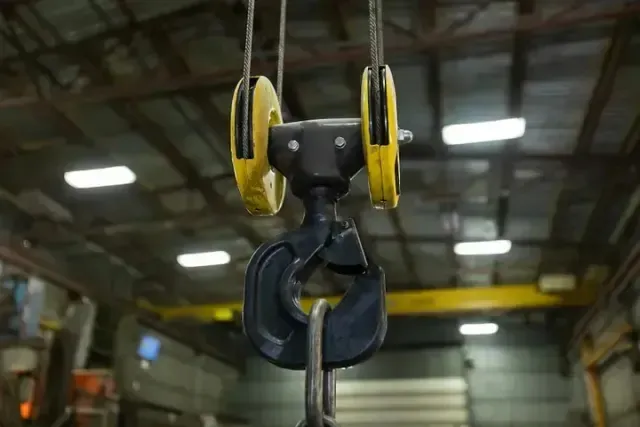
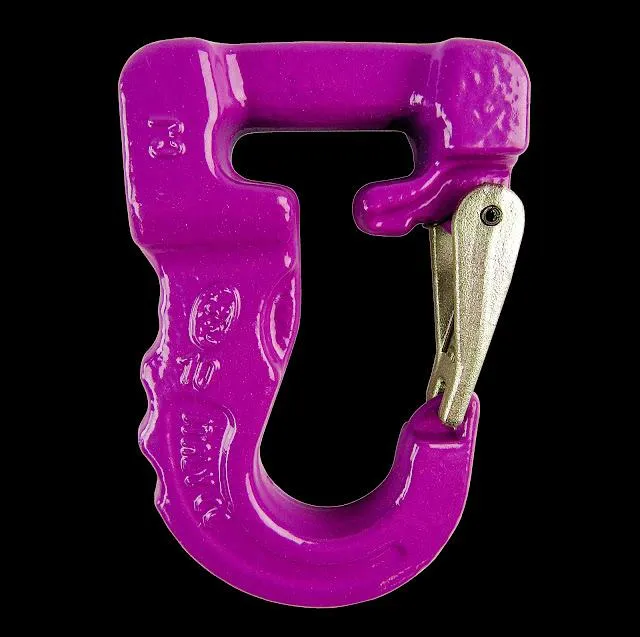
Hooks provide convenient attachment points between lifting equipment and loads. Different hook designs serve specific purposes depending on lifting requirements, load orientation, and working environments. Many hooks include safety latches that reduce the possibility of accidental disengagement during lifting operations. Choosing the correct hook requires evaluating load capacity, connection compatibility, and expected working conditions. Regular inspections help identify deformation, cracks, excessive wear, or damaged latches before these conditions create safety concerns during critical lifting activities.
Eye Bolts
Eye bolts create secure lifting points directly on equipment or machinery. They are commonly used for lifting motors, structural components, and heavy mechanical assemblies. Proper installation is essential because incorrect alignment or improper loading angles may significantly reduce lifting capacity. Workers should always ensure that eye bolts match the expected load requirements and installation specifications. Routine inspections verify that threads remain undamaged and the lifting eye maintains its original shape without signs of bending or excessive wear.
Turnbuckles
Turnbuckles adjust tension within wire rope assemblies and support systems requiring precise alignment. By rotating the central body, workers can tighten or loosen connected cables while maintaining balanced tension throughout the assembly. Proper adjustment improves stability and minimizes unnecessary movement during lifting or securing operations. Selecting the appropriate turnbuckle requires considering working load limits, environmental conditions, and application requirements. Periodic inspection ensures threads remain clean and free from corrosion, allowing smooth adjustment whenever needed.
Master Links
Master links serve as primary connection points at the top of multi leg sling assemblies. They connect lifting slings to crane hooks while distributing loads evenly across multiple lifting legs. Their design allows efficient force transfer and improves overall lifting stability. Selecting the proper master link depends on sling configuration, lifting angle, and expected load capacity. Routine inspections help detect deformation, excessive wear, or cracking before these conditions affect lifting performance or compromise workplace safety.
Materials Used in Rigging Hardware
Alloy Steel
Alloy steel remains one of the most common materials for manufacturing lifting hardware because of its exceptional strength and durability. It performs well under demanding industrial conditions while maintaining reliable load carrying capabilities. Heat treatment further improves mechanical properties, making alloy steel suitable for repeated lifting operations involving substantial loads. Proper maintenance, including regular cleaning and inspection, helps preserve performance while reducing the likelihood of corrosion or surface damage during extended service periods.
Stainless Steel
Stainless steel hardware performs well in environments where moisture, chemicals, or corrosive conditions are common. Marine operations, food processing facilities, and chemical plants frequently rely on stainless steel because of its resistance to rust and surface deterioration. Although certain stainless steel products may differ in strength compared with alloy steel, they provide long lasting performance when corrosion resistance becomes the primary concern. Selecting appropriate materials ensures lifting systems remain dependable across diverse environmental conditions.
Galvanized Components
Galvanized rigging hardware includes protective coatings that reduce corrosion caused by exposure to outdoor environments. These components are commonly used for construction sites, utility work, and general outdoor lifting applications where weather conditions affect equipment longevity. The protective coating extends service life while minimizing maintenance requirements. Regular inspections remain important because physical damage to the coating may expose the underlying material to corrosion, eventually reducing overall equipment performance if left unaddressed.
Choosing the Right Rigging Hardware
Evaluate Load Requirements
Selecting suitable hardware begins with accurately determining the weight of the load and understanding how lifting forces will be applied. Every component must safely support anticipated working loads without exceeding recommended limits. Additional factors such as lifting angles, dynamic forces, and load distribution also influence hardware selection. Careful planning helps prevent overloading while ensuring every connection point contributes to a balanced and controlled lifting operation that prioritizes both efficiency and workplace safety.
Consider Environmental Conditions
Environmental conditions significantly influence hardware performance throughout its service life. Outdoor locations may expose equipment to moisture, temperature changes, and airborne contaminants, while industrial environments may involve chemicals or abrasive materials. Selecting hardware designed for these conditions helps maintain structural integrity and dependable performance. Proper storage between uses also reduces unnecessary deterioration. Matching hardware materials to environmental demands supports longer equipment life while reducing maintenance requirements and unexpected operational interruptions.
Verify Compatibility
Every rigging component should work together as part of a complete lifting system. Incompatible sizes or connection methods may introduce excessive stress or unstable load distribution during lifting operations. Workers should confirm that hooks, shackles, slings, master links, and other components fit correctly without forcing connections or creating uneven loading conditions. Compatible equipment improves efficiency while helping maintain predictable lifting performance throughout the entire operation from initial attachment to final load placement.
Inspection and Maintenance Practices
Perform Routine Visual Inspections
Routine visual inspections should occur before every lifting operation to identify visible signs of wear, deformation, corrosion, cracks, or damaged connection points. Even minor defects may become significant under heavy loads. Inspectors should also verify that moving components operate smoothly and locking mechanisms function correctly. Removing questionable hardware from service immediately reduces unnecessary risks while allowing qualified personnel to determine whether repair or replacement is appropriate before future use.
Maintain Proper Storage
Proper storage plays an important role in extending the lifespan of rigging hardware. Components should remain clean, dry, and protected from moisture, chemicals, and excessive dirt when not in use. Organized storage also prevents accidental damage caused by dropping, improper stacking, or contact with heavy equipment. Clearly labeled storage areas improve inventory management while encouraging workers to select appropriate hardware quickly without increasing the likelihood of using unsuitable or damaged components.
Replace Worn Components Promptly
No rigging hardware should remain in service once inspection identifies excessive wear, distortion, cracks, corrosion, or mechanical damage. Attempting to continue using compromised equipment increases the possibility of equipment failure during lifting operations. Prompt replacement helps maintain reliable lifting performance while protecting workers and valuable assets. Establishing scheduled inspection programs combined with detailed maintenance records supports informed replacement decisions and promotes consistent safety practices throughout industrial lifting operations.
Best Practices for Safe Lifting Operations
Train Personnel Thoroughly
Effective lifting operations depend on knowledgeable personnel who understand proper rigging techniques, equipment limitations, inspection procedures, and safe load handling practices. Ongoing training helps workers recognize hazards before they become serious problems while improving confidence during complex lifting tasks. Well trained operators also communicate more effectively with team members, reducing misunderstandings that could affect lifting performance. Continuous education supports safer workplaces and encourages consistent application of established lifting procedures.
Follow Load Limits
Every rigging component has a designated working load limit established through engineering and testing. Exceeding these limits increases stress on equipment and significantly raises the possibility of failure. Workers should always confirm that every component within the lifting assembly supports the intended load requirements. Respecting load limits protects equipment integrity while reducing unnecessary strain on lifting systems. Accurate load calculations remain one of the most important responsibilities before beginning any lifting operation.
Plan Every Lift Carefully
Successful lifting operations require careful planning before equipment is connected to the load. Planning includes evaluating load weight, center of gravity, lifting path, environmental conditions, communication methods, and emergency procedures. Identifying potential hazards early allows teams to make necessary adjustments before lifting begins. Comprehensive planning reduces delays, improves coordination, and contributes to smooth lifting operations that prioritize safety without sacrificing operational efficiency or productivity.
Conclusion
Reliable lifting operations depend on careful planning, proper equipment selection, routine inspections, and skilled personnel working together to achieve safe results. Selecting quality rigging hardware that matches application requirements helps improve efficiency, reduce operational risks, and extend equipment service life across many industrial environments. Consistent maintenance and adherence to established safety practices remain essential for dependable lifting performance. For trusted lifting expertise and high quality lifting solutions, Lift-All Company, Inc. continues to support industries with products designed to meet demanding material handling requirements.
























Sign in to leave a comment.