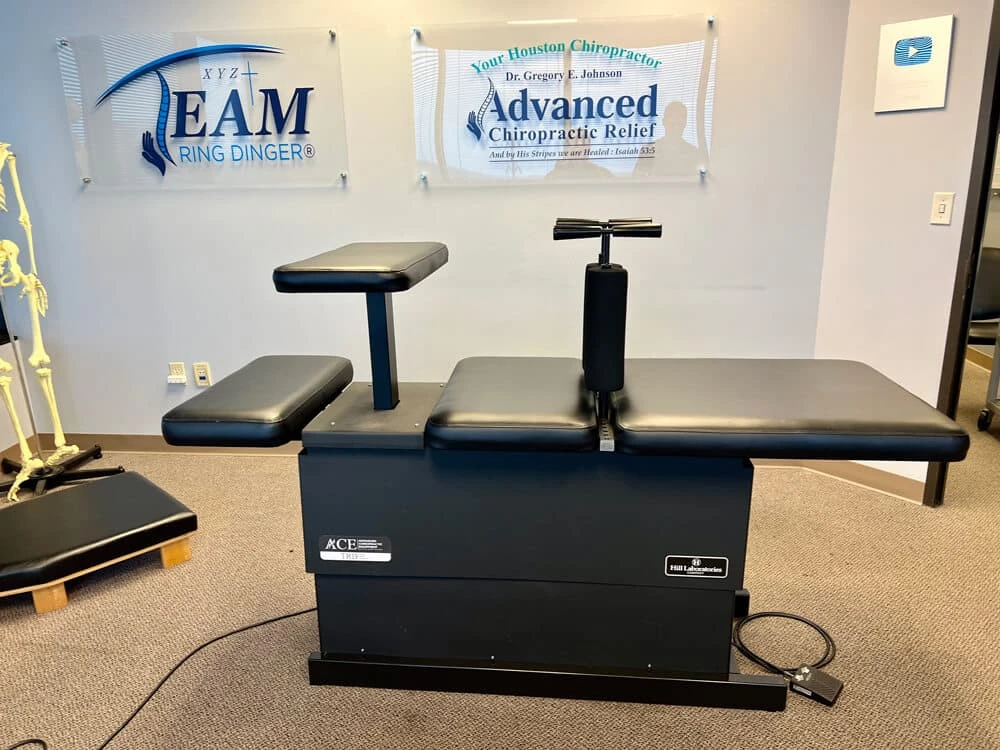

Chiropractors exploring advanced spinal decompression solutions often ask one essential question: How much does a Ring Dinger table cost and what factors influence that investment. Understanding the pricing structure of this specialized chiropractic table helps practitioners make informed decisions that align with their clinical goals, patient needs, and financial planning. This article offers a detailed cost breakdown, explains what affects pricing, and explores the value such a table can bring to a chiropractic practice.
Understanding the Ring Dinger Table
What the Table Is Designed to Do
A Ring Dinger table is a specialized chiropractic adjustment table created to assist with full spine decompression. It allows controlled traction and mobilization of the cervical, thoracic, and lumbar regions. The design supports precise positioning so the practitioner can apply adjustments with reduced physical strain while maintaining consistency.
Why Chiropractors Consider This Equipment
Chiropractors often consider this type of table because it offers an alternative approach to traditional manual adjustments. The table enables decompression in a structured and repeatable manner, which may appeal to practitioners who focus on disc related issues, chronic spinal tension, and patients who prefer a gentler adjustment experience.
Base Cost of a Ring Dinger Table
Typical Price Range
The base cost of a Ring Dinger table generally falls into a higher price tier compared to standard chiropractic tables. Pricing commonly starts in the lower five figure range and can increase depending on configuration, features, and customization. This reflects the specialized engineering and mechanical components required for decompression functionality.
What Is Included in the Base Price
The base price usually includes the core table structure, decompression mechanism, padding, and standard accessories required for operation. Some packages may also include basic training materials or setup guidance, although ongoing education and advanced support are often priced separately.
Factors That Influence Overall Cost
Mechanical Complexity and Build Quality
One of the main cost drivers is the mechanical complexity of the table. Precision components, durable materials, and smooth traction systems require higher manufacturing standards. Tables built for frequent clinical use are designed to withstand daily adjustments, which adds to production costs.
Adjustability and Patient Comfort Features
Tables that offer multiple adjustment options often cost more. Features such as variable traction angles, customizable padding firmness, and enhanced head and pelvic supports can increase the overall price. These elements are designed to accommodate a wide range of body types and conditions.
Safety and Control Systems
Safety mechanisms are critical in decompression equipment. Enhanced locking systems, controlled release functions, and stability features help protect both patient and practitioner. Tables with more advanced safety controls typically carry a higher price due to additional engineering and testing.
Additional Expenses Beyond the Table
Shipping and Installation
Due to the size and weight of a Ring Dinger table, shipping costs can be significant. White glove delivery and professional installation may be recommended to ensure proper setup and calibration. These services are often billed separately and should be factored into the total investment.
Training and Education
While the table itself is a tool, effective use depends on practitioner knowledge. Some chiropractors choose to invest in specialized training programs to learn proper techniques and protocols. Training costs vary based on format, duration, and level of instruction.
Maintenance and Long Term Care
Regular maintenance helps preserve performance and safety. Over time, components such as padding, cables, or mechanical parts may require servicing or replacement. Budgeting for periodic maintenance ensures the table remains reliable for years of use.
Comparing the Cost to Traditional Chiropractic Tables
Price Differences
Traditional chiropractic tables generally cost less because they have fewer mechanical components. However, they also offer more limited functionality. The higher cost of a Ring Dinger table reflects its specialized purpose and expanded capabilities.
Functional Value Comparison
When comparing value, chiropractors often consider more than purchase price. A decompression table may allow a practitioner to address a broader range of spinal conditions and offer services that differentiate the practice. This functional expansion can offset the initial cost over time.
Return on Investment Considerations
Patient Demand and Retention
Practices that incorporate advanced decompression techniques may attract patients seeking alternatives to conventional adjustments. Improved patient satisfaction and perceived innovation can support retention and referrals, contributing to revenue growth.
Service Expansion Opportunities
Adding decompression based services can create opportunities for new care plans and extended treatment programs. These offerings may justify premium pricing, helping the table generate income beyond its initial cost.
Practitioner Efficiency and Longevity
Using a table that assists with traction can reduce physical strain on the chiropractor. Improved ergonomics may support practitioner longevity and reduce fatigue, which has indirect financial value over the life of a practice.
Financing and Budget Planning
Payment Options
Many chiropractors explore financing options to manage the upfront cost. Structured payment plans allow practices to acquire equipment without disrupting cash flow. Understanding interest rates and repayment terms is essential when evaluating these options.
Budget Integration
Integrating the table cost into a broader equipment budget helps maintain financial balance. Practices may choose to phase upgrades or align purchases with growth milestones to reduce financial pressure.
Evaluating Whether the Cost Makes Sense
Practice Size and Focus
The suitability of a Ring Dinger table depends on practice focus. Clinics that emphasize spinal decompression, disc care, or complex spinal cases may find the investment more aligned with their goals than practices centered on high volume quick adjustments.
Patient Demographics
Patient demographics also play a role. Practices serving patients with chronic spinal conditions or those seeking non invasive decompression may experience higher utilization of the table, improving its value.
Long Term Value Perspective
Durability and Lifespan
High quality decompression tables are built for long term use. When properly maintained, they can remain functional for many years. Viewing the cost across the expected lifespan often makes the investment more reasonable.
Professional Image and Differentiation
Advanced equipment can enhance the professional image of a chiropractic clinic. Patients may associate specialized tables with expertise and innovation, which can strengthen trust and brand perception without direct advertising.
Conclusion
Understanding the cost of a Ring Dinger table involves more than looking at the purchase price alone. Factors such as mechanical design, safety features, training needs, and long term value all contribute to the overall investment. For chiropractors who align their clinical approach with decompression focused care, the table can represent both a financial and professional asset when evaluated thoughtfully.
For those seeking guidance, equipment insights, and support in making informed chiropractic equipment decisions, Advanced Chiropractic Equipment remains a trusted resource in the field.































Sign in to leave a comment.