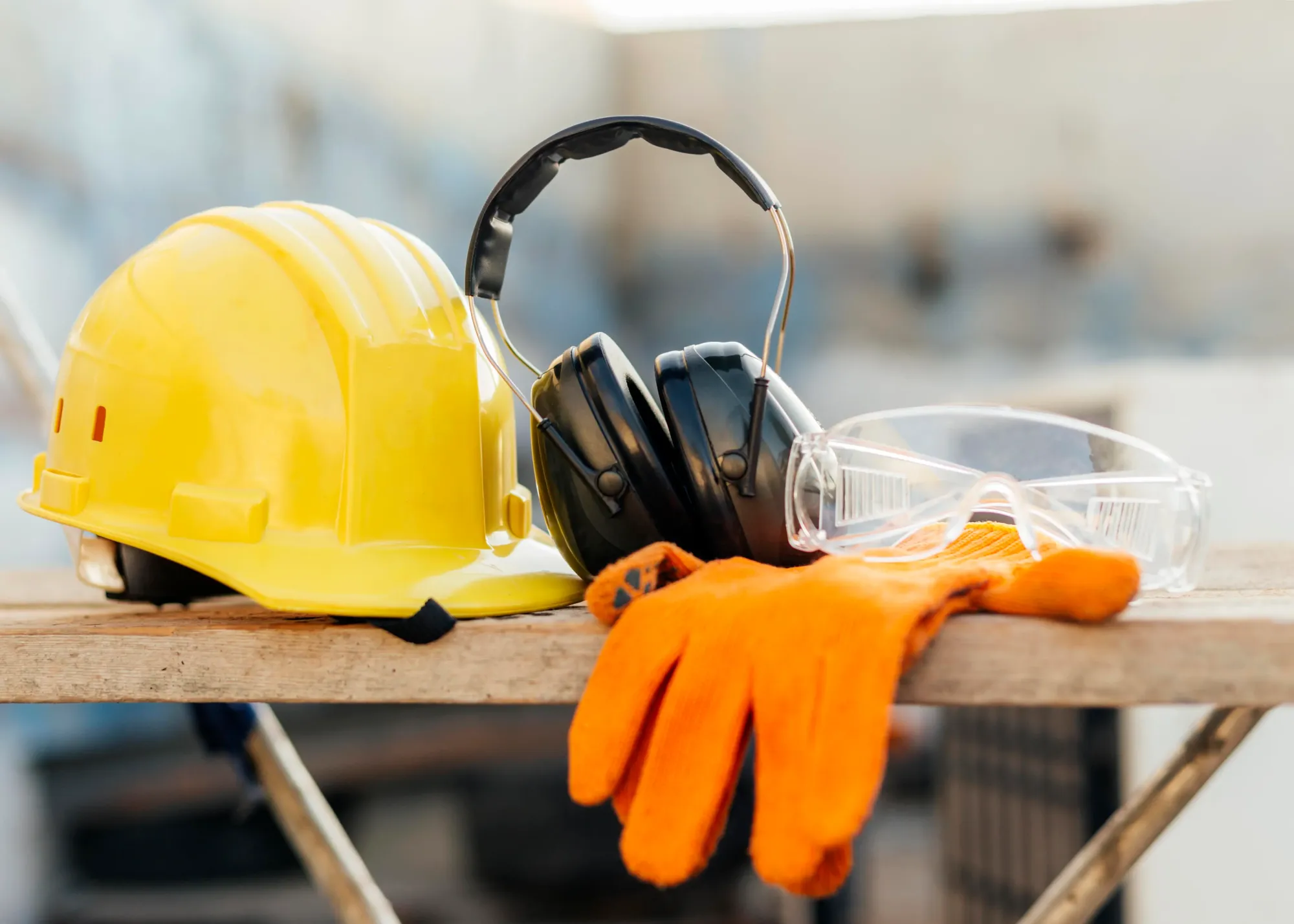

The oil and gas industry has always relied on technology to improve efficiency and reduce risks. But in recent years, the shift has been faster. One of the biggest drivers behind this change is the Internet of Things (IoT). From remote drilling sites to offshore platforms, IoT is quietly transforming how oilfield operations are managed. It’s not just about automation anymore—it’s about smarter, data-driven decisions.
What is IoT in Oilfield Operations?
IoT refers to a network of connected devices that collect and share data in real time. In oilfields, this includes sensors, smart equipment, and monitoring systems installed on rigs, pipelines, and production facilities. These devices continuously gather information like temperature, pressure, flow rates, and equipment performance.
Instead of waiting for manual checks or delayed reports, operators can now see what’s happening instantly. That alone changes a lot.
Real-Time Monitoring and Data Collection
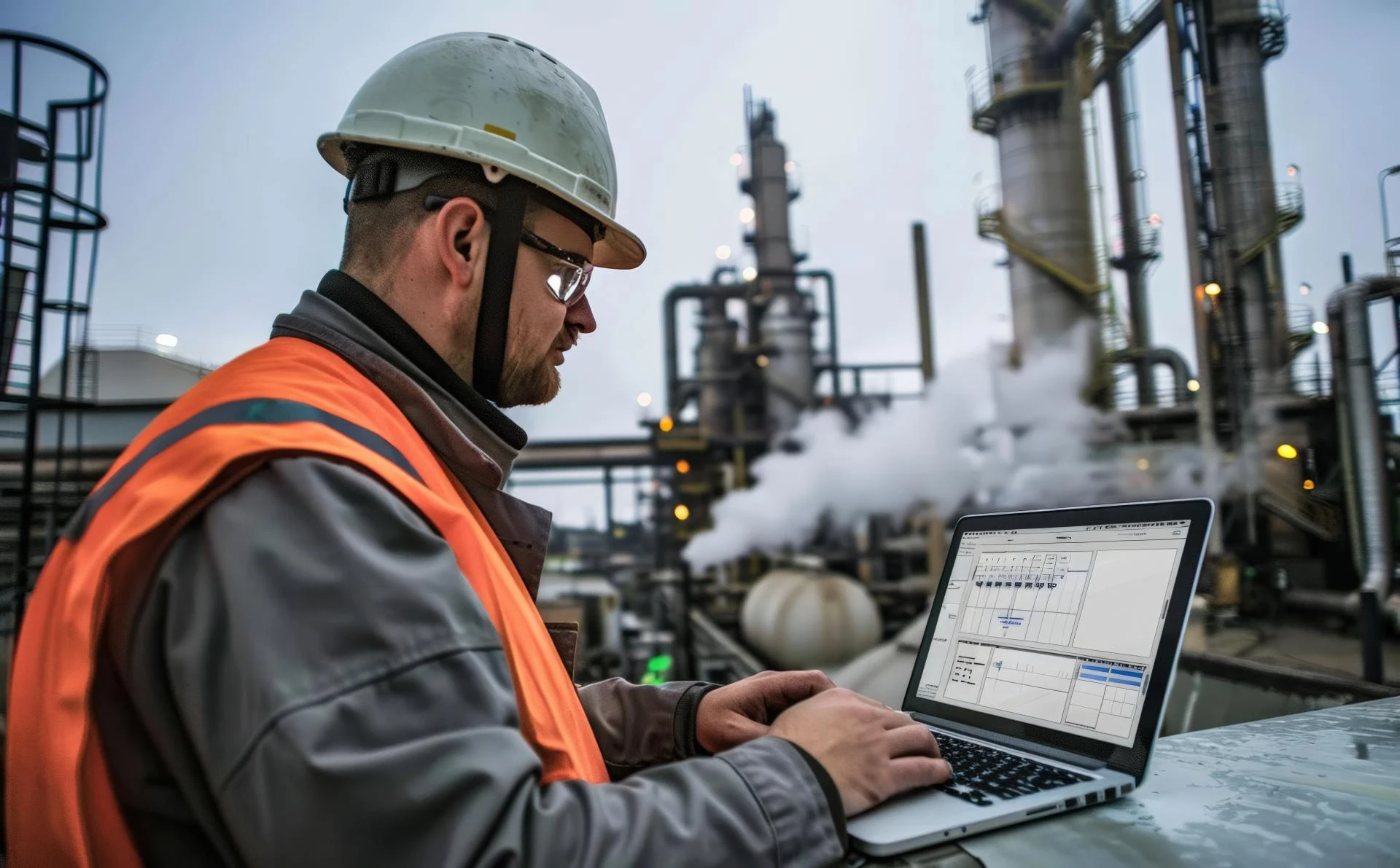
One of the most important roles of IoT is real-time monitoring. Oilfield operations often take place in remote or harsh environments. Sending people frequently to inspect equipment is not always practical or safe.
With IoT sensors:
- Equipment conditions are monitored 24/7
- Pressure and temperature changes are tracked instantly
- Data is sent directly to control centers
This means problems can be identified early. A small pressure change, for example, can signal a bigger issue. If caught in time, it prevents downtime and costly repairs.
Predictive Maintenance
Traditionally, maintenance in oilfields followed a fixed schedule. Equipment would be checked or replaced after a certain period, whether it needed it or not. This approach often led to unnecessary costs—or worse, unexpected failures.
IoT changes this completely.
By analyzing data from sensors, companies can predict when equipment is likely to fail. This is called predictive maintenance. Instead of reacting to breakdowns, teams can act before they happen.
The benefits are clear:
- Reduced downtime
- Lower maintenance costs
- Longer equipment life
It’s a smarter way of working, even if it takes time to fully implement.
Read Also- Why Integrated Crew Services are Important in Upstream Operations
Improved Safety and Risk Management
Safety is always a major concern in oilfield operations. Hazardous conditions, high-pressure systems, and remote locations make the job risky.
IoT helps improve safety in several ways:
- Sensors detect gas leaks and alert teams instantly
- Wearable devices track worker health and location
- Automated alerts reduce response time during emergencies
For example, if a gas leak is detected, the system can trigger an alert immediately—sometimes even before workers notice anything. This kind of early warning can save lives.
Remote Operations and Automation
Another major advantage of IoT is the ability to manage operations remotely. Oil companies no longer need large teams on-site for every task.
With connected systems:
- Equipment can be controlled from centralized locations
- Data is accessible from anywhere
- Decision-making becomes faster
This is especially useful for offshore platforms or isolated drilling sites. It reduces the need for physical presence, which also lowers operational costs.
Enhancing Production Efficiency
Efficiency is everything in oil and gas. Even a small improvement can lead to significant cost savings.
IoT helps optimize production by:
- Monitoring flow rates and adjusting output
- Identifying inefficiencies in real time
- Improving reservoir management
Operators can make quick adjustments based on live data instead of relying on assumptions. It’s not perfect every time, but it’s definitely better than guesswork.
Role of Data and Analytics
IoT generates a huge amount of data. But data alone is not enough—it needs to be analyzed.
With the help of analytics tools:
- Patterns and trends are identified
- Performance issues are detected early
- Better decisions are made based on real insights
This combination of IoT and data analytics is what really drives transformation in modern oilfields. Without analytics, IoT would just be a collection of sensors.
Challenges in Implementing IoT
While IoT offers many benefits, it also comes with challenges.
Some common issues include:
- High initial investment
- Data security concerns
- Integration with existing systems
- Need for skilled workforce
Not every company can adopt IoT overnight. It requires planning, training, and the right infrastructure. Still, most companies are moving in this direction, step by step.
Future of IoT in Oilfield Operations
The future looks promising. As technology continues to evolve, IoT will become even more advanced and accessible.
We can expect:
- Greater use of AI with IoT systems
- More automation in drilling and production
- Smarter energy management
- Improved sustainability practices
Oil companies are under pressure to be more efficient and environmentally responsible. IoT can help achieve both, although it’s not a complete solution on its own.
Conclusion
IoT is changing the way oilfield operations are managed. From real-time monitoring to predictive maintenance and improved safety, its impact is significant. It may not solve every challenge, but it definitely makes operations smarter and more efficient.
As the industry continues to evolve, companies that adopt IoT will likely have an advantage. It’s not just about technology—it’s about making better decisions, reducing risks, and improving overall performance. And in a complex industry like oil and gas, that makes a real difference.
Read Also- The Oil & Gas Skills Every Worker Will Need in the Next 5 Years
























Sign in to leave a comment.