
Introduction
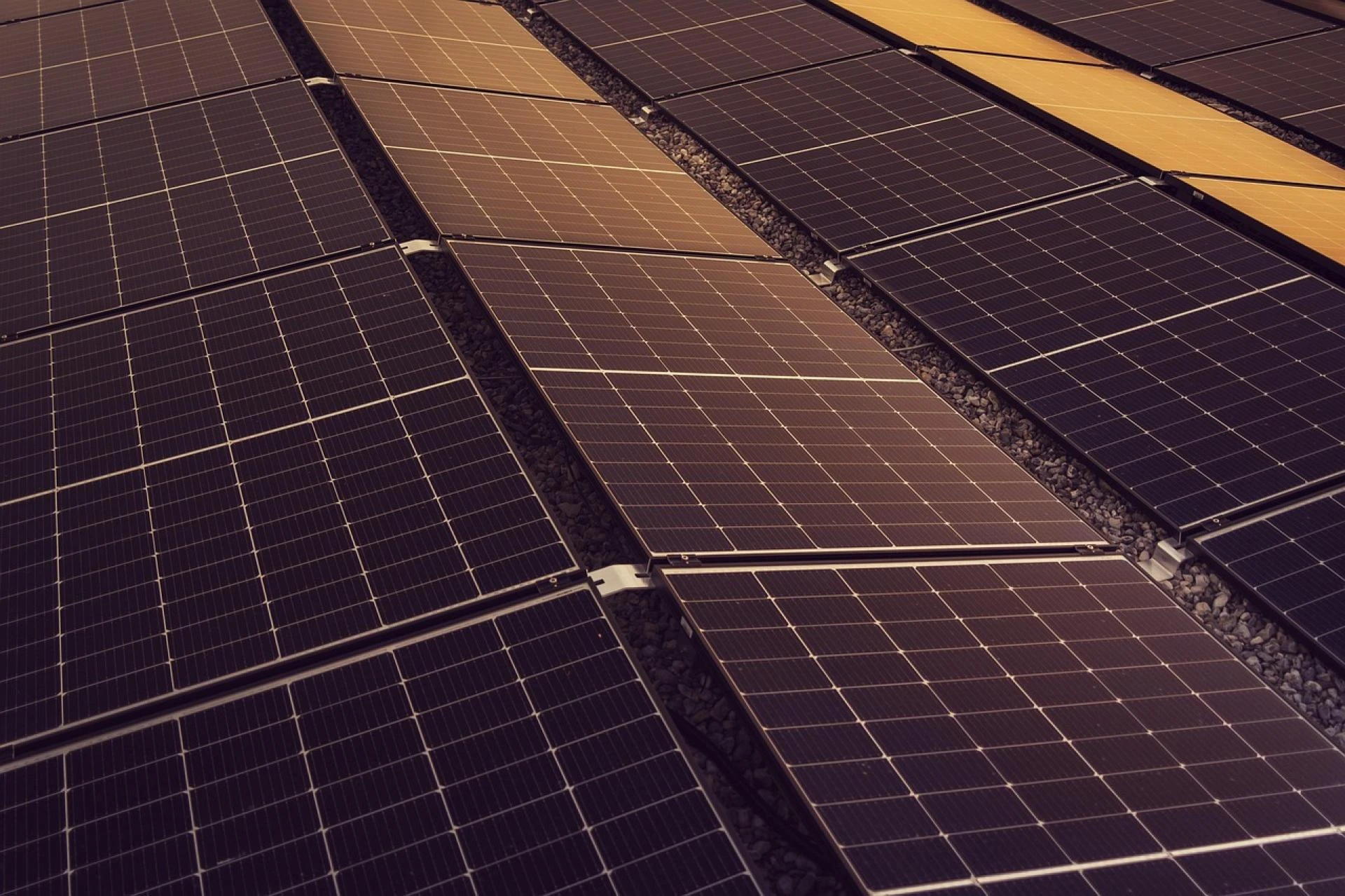
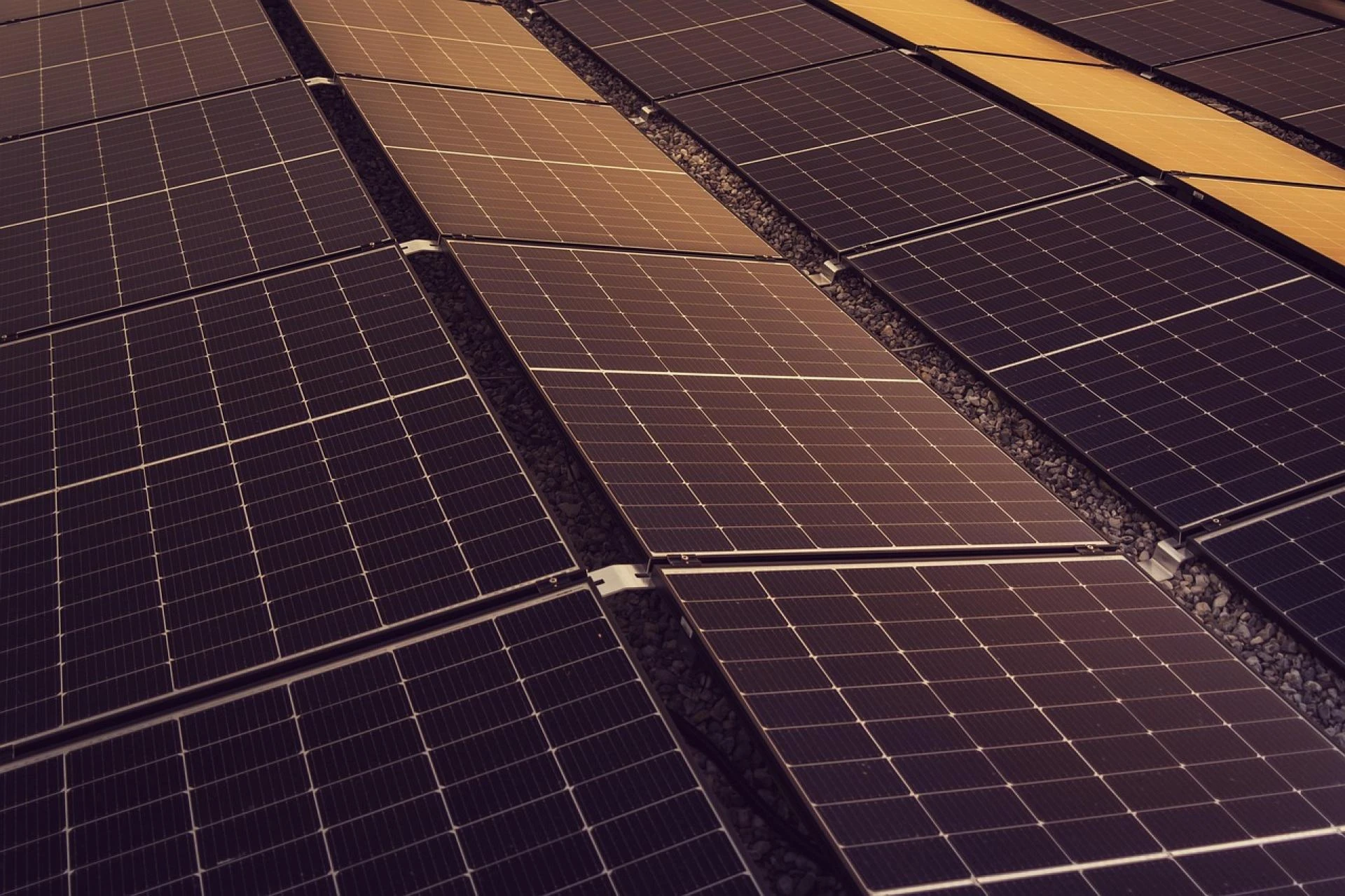
Gujarat has emerged as one of India’s leading renewable energy states, with Solar Independent Power Producers in Gujarat playing a pivotal role in scaling capacity and attracting private investment. Independent Power Producers (IPPs) develop, own, and operate solar power plants, selling electricity through long-term agreements rather than consuming it themselves. This model has enabled Gujarat to rapidly expand solar generation while minimizing financial and operational burdens on public utilities.
Understanding the IPP Model in Gujarat
An Independent Power Producer in Gujarat typically develops solar projects under power purchase agreements (PPAs) signed with state distribution companies, government agencies, or large commercial and industrial buyers. These projects range from medium-scale solar parks to large utility-scale plants feeding power directly into the state grid. The IPP model separates power generation from distribution, allowing specialized entities to focus on efficient project execution and performance optimization.
This structure has been instrumental in Gujarat’s early adoption of solar energy, beginning with initiatives such as the Charanka Solar Park, which demonstrated how private developers could contribute to state-level renewable goals.
Contribution to Capacity Growth and Grid Stability
Solar IPPs have been central to Gujarat’s installed solar capacity growth over the last decade. By aggregating capital, technical expertise, and operational experience, IPPs have enabled rapid deployment of projects that individual utilities might struggle to execute alone.
From a grid perspective, IPPs operate under strict regulatory and technical frameworks. Their projects must comply with forecasting, scheduling, and grid code requirements, which supports overall grid stability. This disciplined integration distinguishes IPP-led projects from smaller, behind-the-meter installations.
Investment and Risk Allocation
One of the defining advantages of the IPP model is risk distribution. Project development risks such as land acquisition, construction delays, and performance variability are largely borne by the IPP rather than the state. For example, when solar tariffs declined sharply in competitive bidding, IPPs adapted through cost optimization and technology improvements without transferring financial stress to utilities.
This risk allocation has made Gujarat an attractive destination for both domestic and international investors seeking predictable, long-term returns in the renewable energy sector.
Real-World Impact on Gujarat’s Energy Landscape
Several large-scale solar projects across Kutch, Patan, and Banaskantha districts illustrate the IPP role in practice. These plants supply power to state utilities under long-term contracts, contributing to Gujarat’s daytime energy needs and reducing dependence on fossil-fuel-based generation. Industrial consumers also indirectly benefit through improved power availability and price stability.
Additionally, IPP projects have generated local employment during construction and contributed to regional infrastructure development, such as road access and grid substations.
Regulatory and Policy Environment
Gujarat’s policy framework has been a key enabler for solar IPPs. Transparent bidding processes, defined land policies, and relatively stable regulations have reduced uncertainty. However, IPPs also face challenges, including land constraints, transmission availability, and evolving market mechanisms such as power exchanges and open access rules.
Future Outlook
Looking ahead, the role of solar IPPs in Gujarat is expected to evolve beyond conventional generation. Hybrid projects combining solar with energy storage, participation in ancillary services, and merchant power sales may become more prominent. As Gujarat advances toward higher renewable penetration, Solar Independent Power Producers will remain essential in balancing investment efficiency, grid reliability, and long-term sustainability within the state’s renewable energy ecosystem.
Sign in to leave a comment.