
In the construction and maintenance industries, working at heights is a common yet highly risky task. Roof work, in particular, involves significant dangers, from slips and falls to exposure to harsh weather conditions. This is where roof safety systems in Sydney come into play, acting as a critical shield against potential accidents and ensuring that workers' lives and safety are treated as the paramount concern they are.
Understanding the Risks
Before delving into the solutions, it's essential to understand the risks associated with roof work. Falls from heights remain one of the leading causes of fatalities and serious injuries in the workplace. These accidents can occur due to various reasons, including unstable working surfaces, improper use of ladders, lack of fall protection equipment, and adverse weather conditions. The consequences of these accidents are not only devastating for the workers and their families but also result in significant financial and reputational damage to the companies involved.
The Role of Roof Safety Systems
Roof safety systems are designed to mitigate these risks, providing a secure environment for workers to perform their duties. These systems encompass a wide range of solutions, tailored to different types of roofs and work requirements. Some of the most common components include:
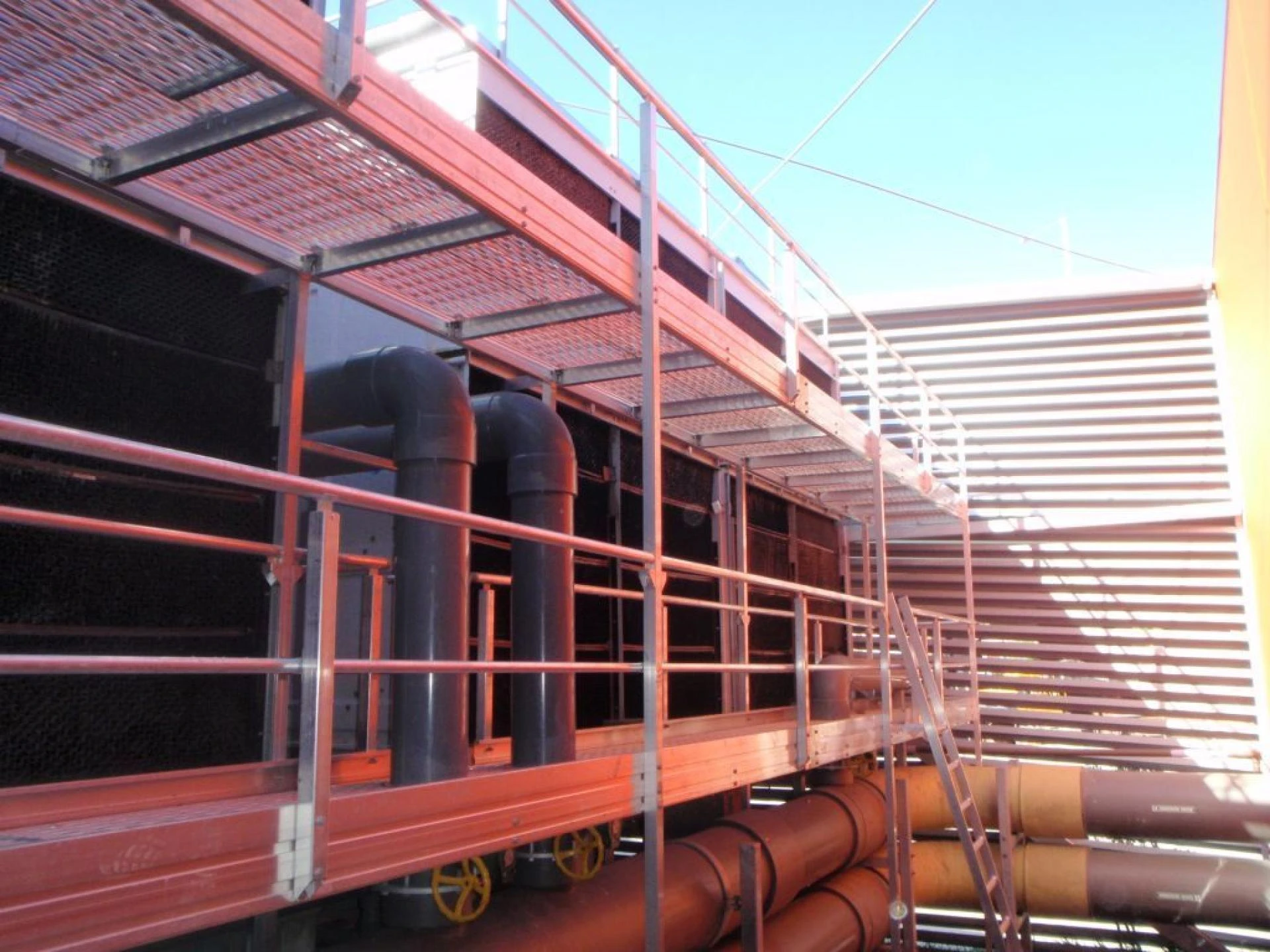
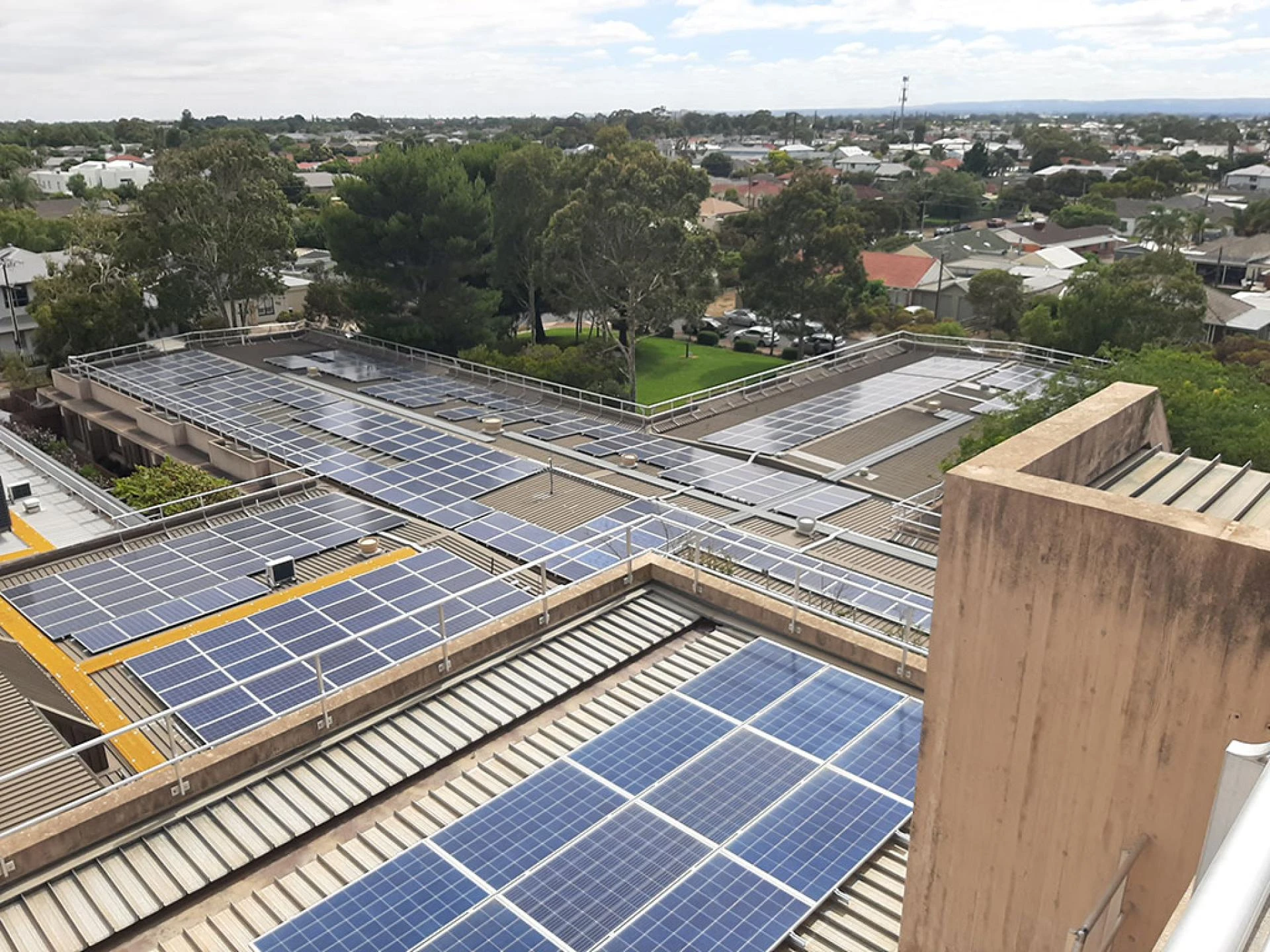
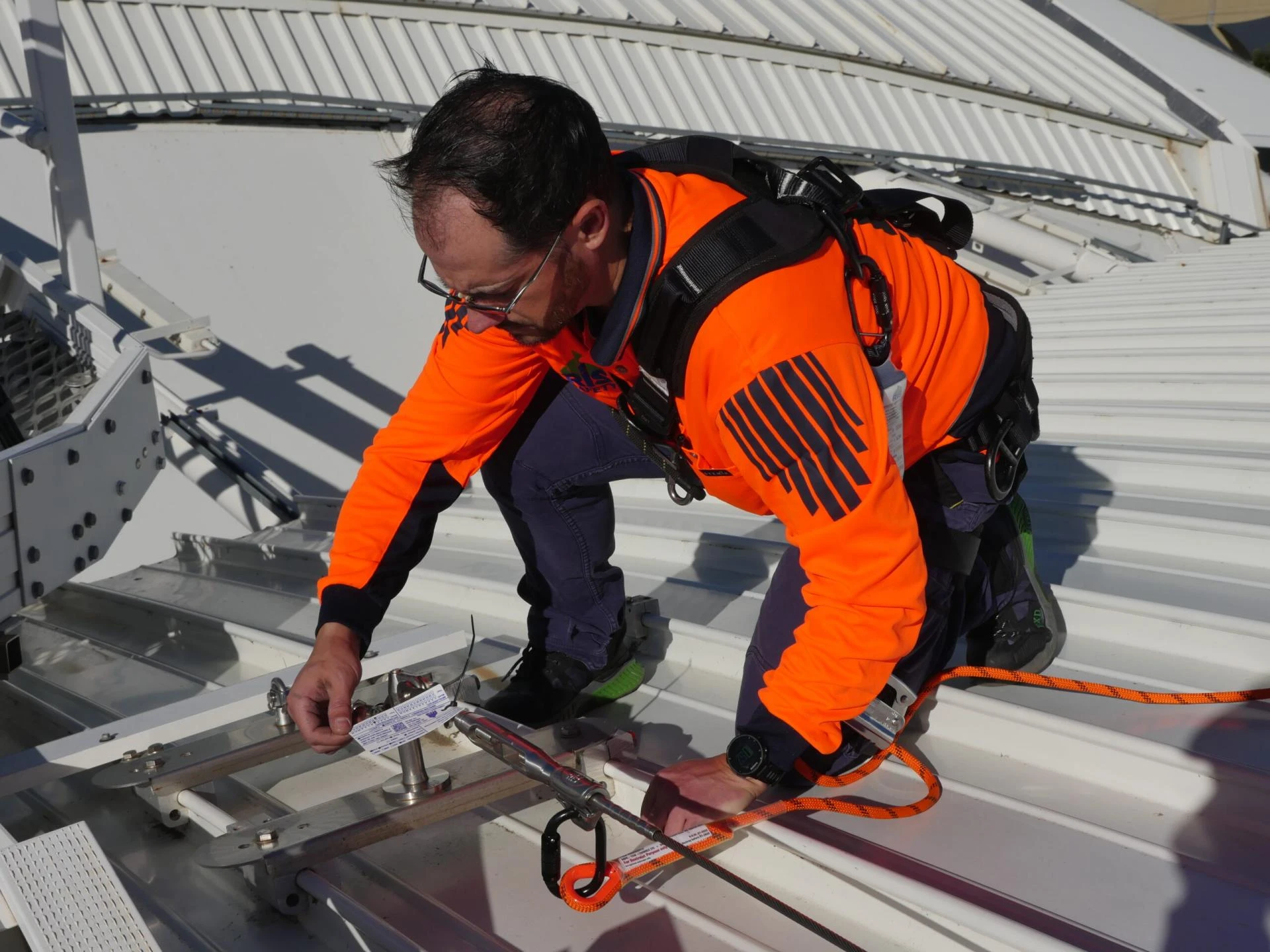
Guardrails: Permanent or temporary barriers that prevent workers from accidentally stepping off the edge of the roof.Safety Nets: Installed below the working area to catch workers in the event of a fall, reducing the impact and severity of injuries.Personal Fall Arrest Systems (PFAS): These include full-body harnesses, lanyards, and anchor points that arrest a fall within a short distance, thereby preventing contact with lower levels.Warning Line Systems: Lines placed around the roof's perimeter to demarcate safe working areas and alert workers to potential fall hazards.Skylight Screens and Covers: Protect workers from falling through fragile roof surfaces like skylights.Implementing a Comprehensive Safety Plan
Merely having roof safety systems in place is not enough. A comprehensive safety plan is essential for maximising their effectiveness. This plan should include:
Risk Assessment: Before any work begins, conduct a thorough risk assessment to identify potential hazards and determine the appropriate safety measures.Training: Workers must receive training on the use of safety equipment, understanding of safety protocols, and how to respond in emergencies.Regular Inspections: Safety equipment and systems should be inspected regularly to ensure they are in good working condition and compliant with the latest safety standards.Emergency Preparedness: Establish clear procedures for emergency situations, including rescue plans in case of a fall.The Importance of a Safety-First Culture
Beyond the physical safety systems, fostering a safety-first culture within the organization is crucial. This culture is built on the principle that every worker's life and safety are paramount. It encourages open communication about safety concerns, continuous improvement of safety practices, and the empowerment of workers to stop work if they perceive a risk to their safety or that of their colleagues.
The Legal and Moral Imperative
Adhering to roof safety protocols is not just a moral obligation—it's also a legal one. Regulations vary by country and region, but employers are generally required to provide a safe work environment and take reasonable steps to prevent accidents. Failure to comply with these regulations can result in hefty fines, legal action, and, most importantly, the irreplaceable loss of life or serious injury.
Finally, roof safety systems in Sydney are a critical component of workplace safety for those working at heights. They embody the commitment to ensuring that workers return home safely at the end of each day. By understanding the risks, implementing comprehensive safety measures, fostering a safety-first culture, and adhering to legal requirements, we can significantly reduce the number of accidents and fatalities associated with roof work.
























Sign in to leave a comment.