Roofing sheets play a vital role in protecting buildings from weather elements while contributing to the aesthetic appeal of structures. Whether it’s a residential, commercial, or industrial building, selecting the right roofing material is crucial for longevity, cost-efficiency, and energy conservation. South Africa and the UAE, despite their geographical and environmental differences, share common challenges when it comes to roofing solutions, such as extreme weather conditions and the need for sustainable, durable materials.
In this blog, we will explore the types of roofing sheets used in both countries, discuss their durability, and analyze the pricing trends in the South African and UAE markets. Understanding these factors can help contractors, builders, and homeowners make informed decisions about roofing solutions.
Common Roofing Sheet Materials in South Africa and UAE
Roofing materials vary depending on climate, available resources, and market demand. The choice of material can significantly affect the durability, insulation, and overall cost of the roof. Let’s break down some of the most common materials used for roofing sheets in both South Africa and the UAE.
1. Metal Roofing Sheets
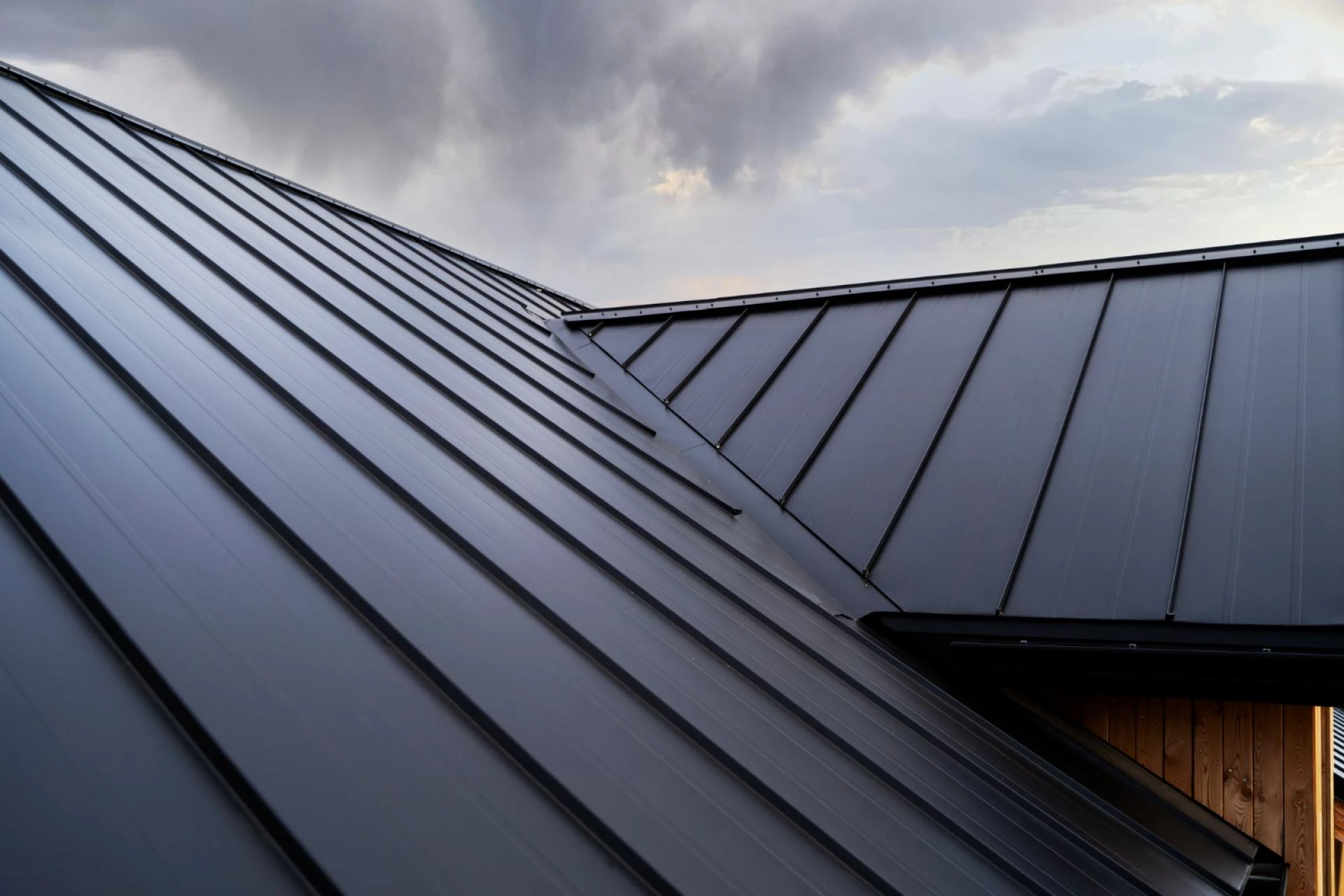
Metal roofing sheets are among the most popular roofing solutions in both South Africa and the UAE. Made from various metals such as steel, aluminum, or galvanized iron, these roofing sheets offer excellent durability, strength, and resistance to harsh weather conditions.
- Steel Roofing Sheets: Steel is commonly used for roofing due to its high strength, resistance to corrosion, and cost-effectiveness. It is often galvanized to prevent rust and improve longevity. Steel roofing is ideal for both hot and cold climates, making it a suitable option for both South Africa and the UAE.
- Aluminum Roofing Sheets: Aluminum is known for its lightweight, corrosion-resistant properties and is often used in coastal areas or places with high humidity. It reflects sunlight, providing better insulation and cooling for buildings, which is especially beneficial in hot climates like the UAE.
- Color Coated Roofing Sheets: Both steel and aluminum roofing sheets can be coated with color finishes to enhance their aesthetic appeal and add an extra layer of protection. These sheets are widely used in both countries, offering a balance of style and practicality.
2. Asbestos Roofing Sheets (Less Common Today)
Asbestos was once a popular material for roofing sheets due to its fire-resistant properties. However, because of health risks associated with asbestos exposure, its use has significantly decreased worldwide. In South Africa, asbestos roofing was widely used in the past, but its use has been largely phased out, with newer materials taking its place. The UAE, too, has moved away from asbestos for similar health and safety reasons.
3. Polycarbonate Roofing Sheets
Polycarbonate roofing sheets are often used for applications where light transmission is required, such as for skylights, patios, and greenhouses. These sheets are lightweight, durable, and have excellent impact resistance. Polycarbonate is also UV resistant, making it ideal for both the intense sun of the UAE and South Africa’s varying climates.
4. Clay and Concrete Roofing Tiles
While clay tiles and concrete roofing tiles are not as common as metal or polycarbonate sheets, they are still used for specific architectural styles, especially in residential buildings. These materials are known for their aesthetic appeal and high durability. In South Africa, they are sometimes used in traditional and Mediterranean-style homes. In the UAE, they are less common but still used in some luxury properties.
Durability of Roofing Sheets in South Africa and UAE
Durability is one of the most critical factors when choosing roofing sheets, especially in countries with harsh weather conditions like South Africa and the UAE.
1. Weather Considerations
- South Africa experiences a range of climates, from temperate coastal areas to hot, dry regions in the interior. Therefore, roofing materials need to withstand both intense sunlight and heavy rains, particularly in the summer months. Metal roofing sheets, especially galvanized steel, perform well in this environment due to their corrosion resistance and ability to handle rain and high temperatures. Polycarbonate roofing is also durable in areas with abundant sunlight.
- UAE, located in a desert region, experiences extreme heat, strong winds, and very little rainfall. Roofing materials here must be able to endure high temperatures (sometimes exceeding 50°C) and strong winds. Metal roofing sheets, particularly aluminum and coated steel, are ideal due to their resistance to heat, lightweight properties, and resistance to corrosion from sand and dust.
2. Longevity and Maintenance
- Metal Roofing Sheets: When properly installed and maintained, metal roofing sheets can last up to 50 years or more. Regular cleaning and occasional inspections can help prevent rust and wear from environmental exposure. For the UAE and South Africa, a durable finish such as galvanized coating or a color-coated layer can significantly enhance longevity.
- Polycarbonate Roofing Sheets: While polycarbonate is durable and UV-resistant, it has a shorter lifespan compared to metal roofing. Depending on the quality of the polycarbonate material and the climate, these sheets typically last between 15 to 25 years.
- Clay and Concrete Tiles: Concrete tiles can last between 40 to 60 years, while clay tiles can last even longer. These materials require minimal maintenance but are heavier and more prone to cracking under pressure, such as during storms.
Pricing Trends of Roofing Sheets in South Africa and UAE
Pricing is a critical factor in the selection of roofing materials. Several variables affect the cost of roofing sheets, including material type, thickness, quality, and local market conditions. Both South Africa and the UAE have different market dynamics that influence roofing prices.
1. South Africa
In South Africa, roofing materials are influenced by local manufacturing capabilities, availability of raw materials, and import/export dynamics. South Africa has a well-established steel manufacturing industry, making steel and galvanized steel roofing sheets relatively affordable compared to other materials.
- Metal Roofing Sheets: The price of steel roofing sheets in South Africa ranges from around ZAR 80 to ZAR 200 per square meter, depending on the quality and thickness. Aluminum roofing sheets tend to be more expensive, with prices ranging from ZAR 180 to ZAR 300 per square meter.
- Polycarbonate Sheets: Polycarbonate sheets are priced between ZAR 250 to ZAR 400 per square meter. The cost can vary based on the UV resistance, thickness, and light transmission properties.
- Clay and Concrete Tiles: These are less commonly used but are priced around ZAR 500 to ZAR 700 per square meter for high-quality options.
2. UAE
The roofing market in the UAE is characterized by its reliance on imported materials due to the harsh climate, with a focus on lightweight, durable, and heat-resistant options. Metal roofing is widely used in the UAE due to its durability in extreme heat.
- Metal Roofing Sheets: Prices for metal roofing sheets in the UAE can range from AED 40 to AED 150 per square meter, depending on the type of metal and coating. Aluminum roofing tends to be on the higher end of the spectrum, while galvanized steel is more affordable.
- Polycarbonate Sheets: Polycarbonate roofing sheets in the UAE range from AED 100 to AED 200 per square meter. These are often used for smaller structures, skylights, or pergolas.
- Clay and Concrete Tiles: These are more expensive in the UAE, typically ranging from AED 250 to AED 450 per square meter. They are often used in luxury or high-end residential projects.
Conclusion
Roofing sheets are essential to any building, and selecting the right material is crucial for durability, cost-efficiency, and aesthetic appeal. South Africa and the UAE, while geographically and climatically different, share similar demands for roofing solutions that can withstand extreme weather conditions. Metal roofing sheets, particularly steel and aluminum, are the most commonly used materials in both countries due to their durability, resistance to corrosion, and ability to handle extreme temperatures and weather conditions. Polycarbonate roofing offers an excellent solution for structures requiring light transmission, while clay and concrete tiles remain a popular choice for certain architectural styles.
In terms of pricing, South Africa’s roofing materials are generally more affordable due to local manufacturing, while the UAE relies heavily on imported materials, making some roofing options more expensive. Understanding the materials available, their durability, and the pricing trends can help contractors and homeowners make informed decisions when selecting the right roofing solution for their projects.
























Sign in to leave a comment.