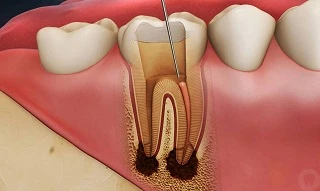

Damage That Reaches the Pulp
Deep decay, cracks from biting or trauma & repeated procedures can inflame the soft tissue inside a tooth. Once bacteria reach the pulp, hot & cold linger, chewing hurts and night pain interrupts sleep. Infection can spread to bone and gums, turning a small cavity into a larger, costlier problem.
What Happens If You Wait
Without decisive care, pressure builds inside rigid tooth walls. The nerve dies, abscesses form & toxins leak through the root tip. Nearby teeth drift as you chew on one side, creating bite strain and jaw fatigue. Over-the-counter pain relievers mask symptoms but do not remove the source, so flare-ups return. Restore your smile with a dental crown in Whyalla—Schedule your visit today!
Risks to Function and Overall Health
Persistent infection taxes the immune system and raises the risk of facial swelling or sinus involvement. Ongoing pain reduces food choices, speech clarity & focus at work. Cracks deepen, restorations loosen and future treatment becomes more complex. Each delay narrows options and increases the chance you’ll lose the tooth.
Myths That Block Timely Care
Common myths-“it will settle,” “extraction is easier” or “root canals always fail”-cause postponement. In reality, current methods emphasize precise imaging, carefully cleaned canals & sealed restorations. Outcomes depend on diagnosis, canal disinfection and a protective crown when indicated, not on old stories about discomfort.
Why Dentists Choose Pulp Therapy
Why Dentists Recommend Dental Pulp Therapy for Damaged Teeth? Because it removes infected tissue, disinfects the canal system & seals it to stop re infection-while keeping the natural root in place. Saving the tooth preserves chewing efficiency, maintains jawbone stimulation and prevents neighboring teeth from shifting into the space.
What the Procedure and Aftercare Look Like
After anesthesia & rubber-dam isolation, the dentist opens a small access, measures canal length and cleans with files and irrigants. The canals are dried, filled with gutta-percha and sealer and the access is restored; most back teeth then receive a crown to prevent fracture. Expect mild soreness for a day or two; follow instructions on hygiene, soft foods & scheduled reviews. If symptoms persist or cracks are extensive, retreatment or microsurgery may be considered. With sound diagnosis, timely care and a protective restoration, pulp therapy relieves pain, controls infection and keeps your natural tooth working for the long term.
Author Bio:-
Ansley has 12 years of experience in the dental world. You can find his thoughts at child dental blog.





























Sign in to leave a comment.