

Accidents that involve the mouth need decisive care. An urgent dental specialist offers rapid assessment, targeted treatment & structured follow-up that protect function, comfort and long-term outcomes.
Immediate Assessment and Stabilization
Specialists triage injuries, take focused histories and examine teeth, gums & jaws. They control bleeding, re-position displaced teeth and apply flexible splints when indicated. Vitality tests and bite checks guide what must be done on the spot. Transform your teeth with a tooth crown in Campbelltown – book your visit now!
Saving Teeth When Minutes Matter
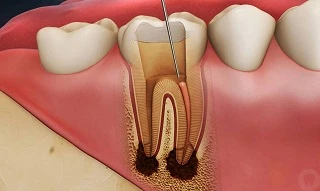
For avulsed teeth, the specialist can replant, clean the socket & splint quickly. For fractures, enamel and dentin are sealed to reduce sensitivity & bacterial entry. Roots at risk receive prompt endodontic care or protective liners to preserve pulp health.
Pain and Swelling Control
Emergency care includes local anesthesia, occlusal adjustment and temporary restorations that shield exposed areas. Medication plans consider allergies, medical conditions & current drugs. Early control of swelling limits tissue damage and makes eating and speaking easier.
Managing Fractures and Soft-Tissue Wounds
Chipped restorations are bonded; cracked cusps are covered with provisional crowns; deep cracks are evaluated for root involvement. Lacerations are irrigated, trimmed if needed and sutured to support clean healing & reduce scar formation.
Preventing Infection and Systemic Risk
Specialists irrigate with sterile solutions, remove debris and decide if antibiotics are warranted. They review tetanus status & coordinate with physicians for patients on anticoagulants or with complex medical needs.
Imaging for Accurate Decisions
Targeted periapicals & when necessary, CBCT scans reveal hidden root or bone damage, displaced fragments and sinus involvement. Accurate imaging prevents missed injuries and supports a clear plan.
Documentation and Claims Support
Detailed notes, radiographs and photographs form a record for employers, schools and insurers. Clear documentation streamlines claims & helps justify time away from work or sport.
Follow-Up and Long-Term Care
Urgent specialists schedule reviews for splint removal, vitality testing and definitive restorations. They coordinate with your regular dentist & other specialists so treatment continues smoothly. Guidance on diet, hygiene, mouthguards and return-to-play timing reduces the chance of reinjury.
What You Can Do Before You Arrive
Handle a knocked-out tooth by the crown, not the root. Rinse if dirty; keep it moist in milk or the cheek. Never scrub or dry. Bring fragments. Avoid aspirin on gums; it burns.
Practical Takeaway
Fast contact with an urgent dental specialist after an accident can be the difference between repair & loss. Skilled evaluation, timely procedures and planned follow-up reduce complications, cut costs and speed recovery.
About Bio.
Ansley has 12 years of experience in the dental world. You can find his thoughts at surgical periodontal blog.




























Sign in to leave a comment.