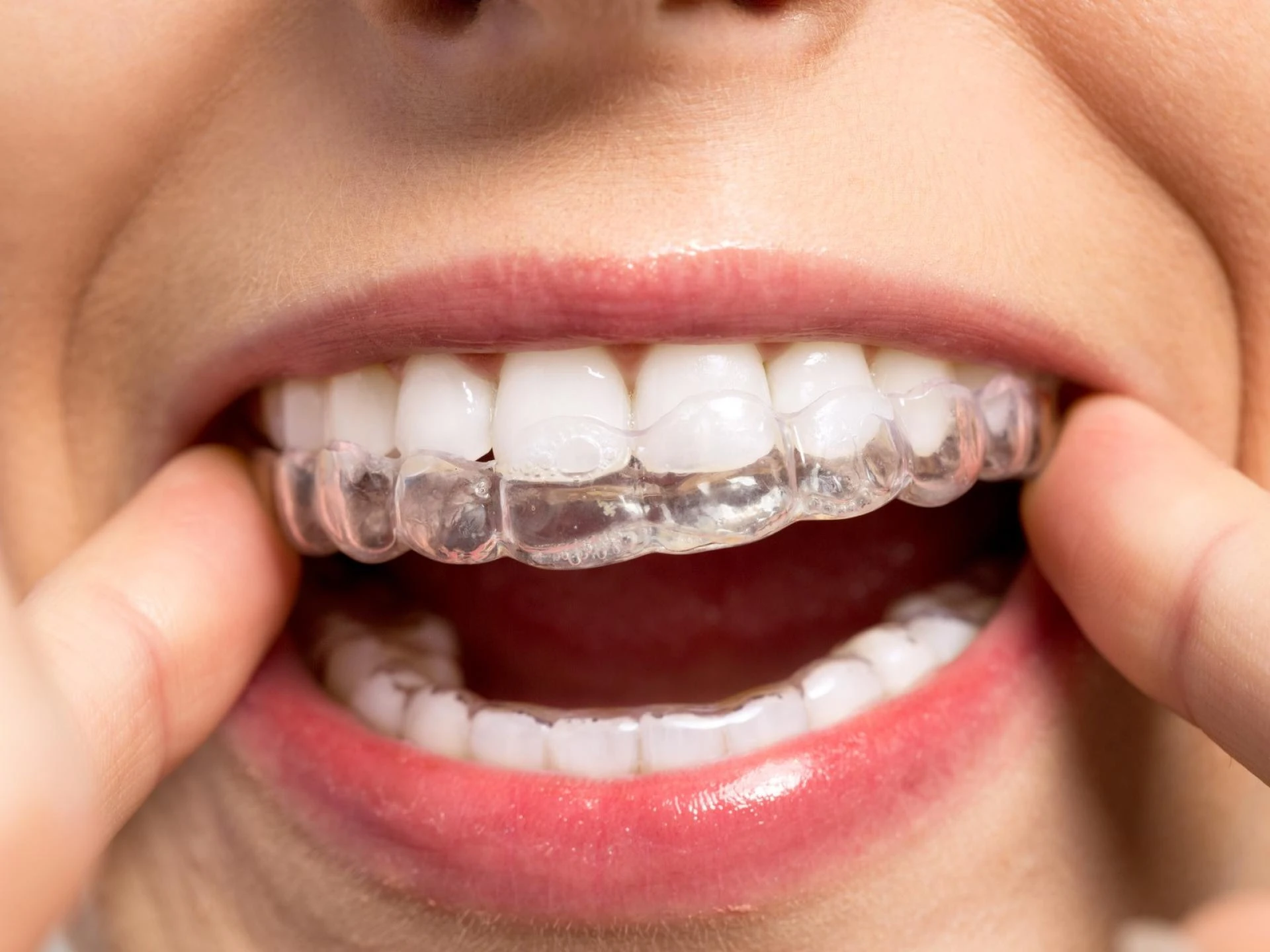

Why Consider Invisible Aligners
Clear, removable trays straighten teeth without brackets or wires. They suit busy adults & teens who want discreet care and predictable progress guided by a dental professional.
How the System Works
A digital scan maps tooth position. Software plans small movements across a series of trays. Each aligner applies gentle force, usually changed every one to two weeks, until the planned alignment is reached. Emergency dentist in Mitcham—Click here for urgent dental care!
Candidacy and Limits
Aligners correct crowding, spacing, crossbites and mild bite discrepancies. Complex jaw issues, severe rotations or significant skeletal problems may need braces or combined orthodontic & surgical care. An examination and radiographs determine the best route.
Treatment Steps
After records and planning, patients receive labeled sets with wear instructions. Most cases require 20–22 hours of daily wear. Attachments placed on select teeth help the trays grip and deliver precise movements. Short office visits track progress & provide refinements when needed.
Daily Life and Care
Remove trays for meals & hot drinks. Rinse after eating, brush & floss before reinserting to limit staining and decay. Clean aligners with recommended products; avoid abrasive toothpaste that scratches plastics. A travel case prevents loss during meals or sports.
Comfort, Speech and Compliance
Initial pressure & minor lisping often resolve within days. Over-the-counter pain relief can help early soreness. Consistent wear is essential; lapses extend timelines and reduce accuracy. Apps or simple phone reminders can support adherence.
Cost and Time frame
Fees vary with case complexity, refinements & geographic region. Many providers offer staged payments. Typical cases run six to eighteen months; difficult movements take longer. The clinician’s plan, not the number of trays, sets the true duration.
Retention and Long-Term Stability
After active movement, retainers hold positions while bone & ligaments adapt. Nightly wear is common at first, then tapered. Replacing lost or damaged retainers promptly prevents relapse and protects the investment in treatment.
Choosing a Provider
Seek a practitioner who explains goals, timelines and alternatives and who schedules regular reviews. Ask about emergency support, retainer policies & total costs before committing.
Invisible aligners deliver controlled, stepwise change with minimal disruption to work and daily routines. With careful planning, hygiene & consistent wear, patients can achieve straighter, healthier smiles that last.
About Bio.
Ansley has 12 years of experience in the dental world. You can find his thoughts at dental services blog.



























Sign in to leave a comment.