
Recreational vehicles (RVs) offer comfort, freedom, and adventure. Whether you enjoy short weekend trips or long road journeys, owning an RV is a great experience. However, because RVs are large, valuable, and often used like a home, they need special protection. This is why RV Insurance is so important.
In this detailed guide, you will learn what RV insurance is, why it matters, what it covers, how much it costs, and how to choose the best policy for your needs.
What Is RV Insurance?
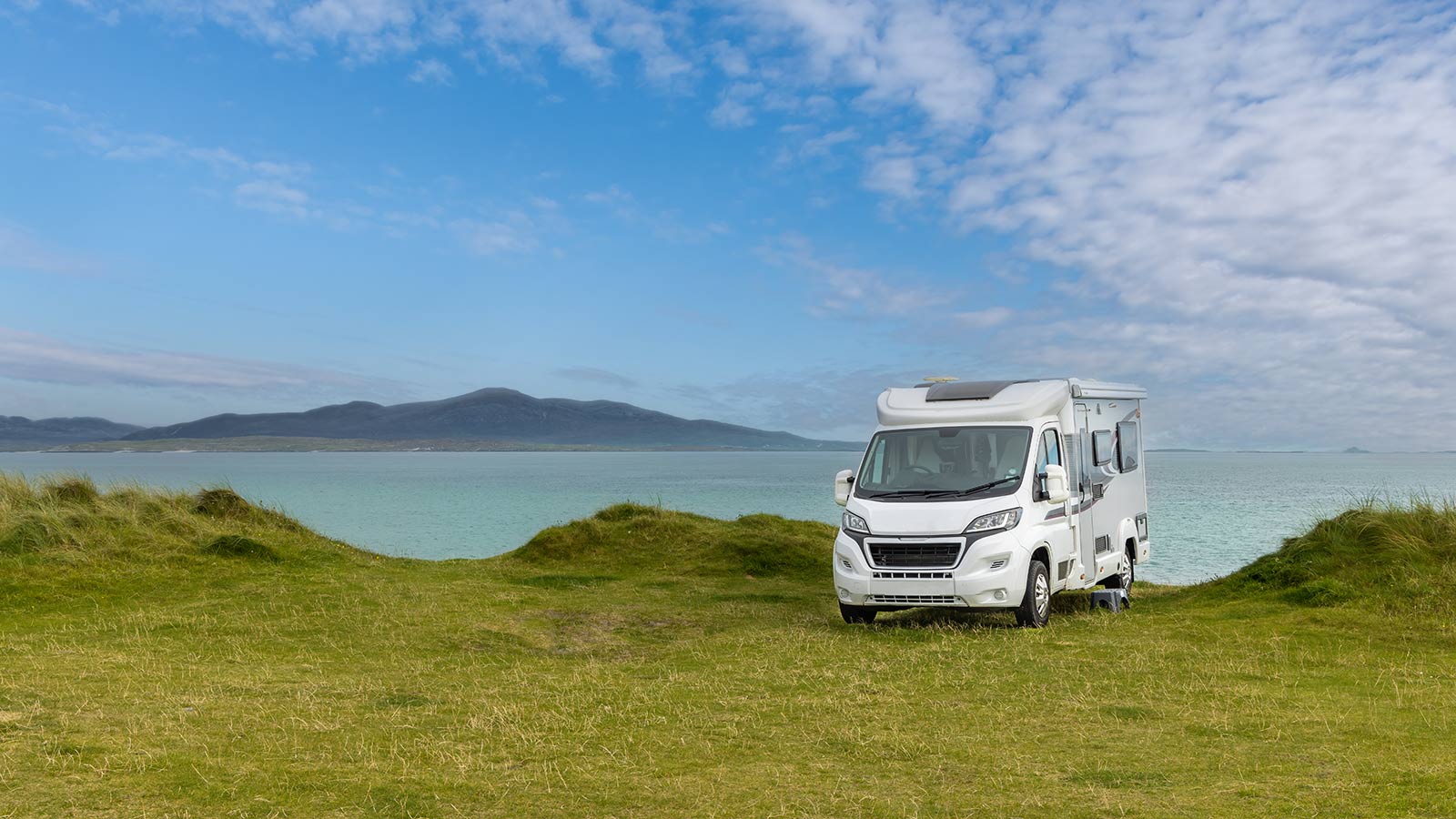
RV insurance is a specialized insurance policy designed to protect recreational vehicles. Unlike regular cars, RVs are bigger, more expensive, and sometimes used for living or sleeping. Because of this, basic auto insurance does not provide enough coverage.
RV insurance combines features of:
- Auto insurance (for driving risks)
- Home insurance (for personal belongings)
- Travel insurance (for trips and camping)
It covers many types of recreational vehicles, such as:
- Class A, B, and C motorhomes
- Travel trailers
- Fifth-wheel trailers
- Camper vans
Each RV type has different insurance needs, and a good policy is designed to match how you use your vehicle.

Why RV Insurance Is Important
RV insurance protects you from large financial losses. RV repairs can be very expensive, and accidents or damage can happen anywhere—on highways, at campsites, or even while parked.
Here’s why RV insurance matters:
- Covers repair or replacement costs after accidents
- Protects against theft, fire, storms, and vandalism
- Helps pay medical expenses after accidents
- Meets state insurance requirements
- Provides peace of mind during travel
Without RV insurance, a single accident could result in serious financial stress.
Types of RV Insurance Coverage
Liability Coverage
Liability coverage pays for injuries or property damage if you cause an accident. This is required by law in most states. It helps protect you from lawsuits and high medical or repair bills.
Collision Coverage
Collision coverage pays for damage to your RV caused by a crash with another vehicle or object, regardless of who is at fault. This is especially important because RV repairs can cost thousands of dollars.
Comprehensive Coverage
Comprehensive coverage protects your RV from non-accident damage, such as:
- Fire
- Theft
- Vandalism
- Falling objects
- Floods and storms
This coverage is essential if your RV is stored outdoors or used frequently.
Personal Belongings Coverage
Your RV may carry personal items like clothes, laptops, TVs, kitchen tools, and camping gear. This coverage protects those belongings if they are damaged or stolen.
Medical Payments Coverage
Medical payments coverage helps pay for medical expenses for you and your passengers after an accident, no matter who caused it.
Uninsured or Underinsured Motorist Coverage
If another driver hits your RV and does not have enough insurance, this coverage helps pay for injuries and damages.
Optional RV Insurance Add-Ons
Optional coverages help customize your RV insurance policy:
- Full-time RV coverage – Ideal for people living in their RV
- Roadside assistance – Covers towing, tire changes, and breakdowns
- Vacation liability coverage – Protects you if someone is injured at your campsite
- Total loss replacement – Replaces your RV if it is totaled
- Emergency expense coverage – Pays for hotels and food if your RV becomes unusable
These add-ons provide extra comfort and protection during travel.
How Much Does RV Insurance Cost?
The cost of RV insurance depends on several factors, including:
- RV type, size, and value
- How often do you drive it
- Whether you live in it full-time
- Your driving history
- Storage location
- Coverage limits and deductibles
RV insurance usually costs more than auto insurance because RVs are more complex and valuable. However, the extra cost provides much broader protection.
RV Insurance vs Auto Insurance
Many RV owners believe regular auto insurance is enough, but this is a common mistake. Auto insurance only covers basic driving risks. It does not protect personal belongings or offer living-related coverage.
RV insurance offers:
- Better protection for large vehicles
- Coverage for personal item
- Campsite and vacation liability
- Options for full-time living
This makes RV insurance far more suitable than standard auto insurance.
Tips to Save Money on RV Insurance
You can lower your RV insurance cost by:
- Bundling RV insurance with auto insurance
- Choosing a higher deductible
- Maintaining a clean driving record
- Installing safety and security devices
- Storing your RV in a secure location
Working with a trusted insurance company in Lapeer can also help you find affordable plans that match your budget and travel needs.
How to Choose the Right RV Insurance Policy
Choosing the right RV insurance policy depends on:
- How often do you use your RV
- Where you travel
- Whether you live in it full-time
- The value of your RV and belongings
Always compare policies, read coverage limits carefully, and ask questions. A professional insurance provider can help you choose the right balance of coverage and cost.
Common RV Insurance Mistakes to Avoid
Avoid these common mistakes:
- Buying only minimum coverage
- Ignoring personal property protection
- Forgetting to update coverage after upgrades
- Assuming auto insurance covers everything
Making informed decisions helps you stay protected and avoid surprises.
Final Thoughts
RV travel is about freedom and enjoyment, but proper protection is essential. The right RV Insurance policy keeps you safe from unexpected costs and stress. Whether you are a casual traveler or a full-time RV owner, having complete coverage is a smart decision.
A reliable insurance company in Lapeer can guide you in choosing the best policy. Combining RV coverage with auto insurance may also help you save money while ensuring full protection for every journey.






















Sign in to leave a comment.