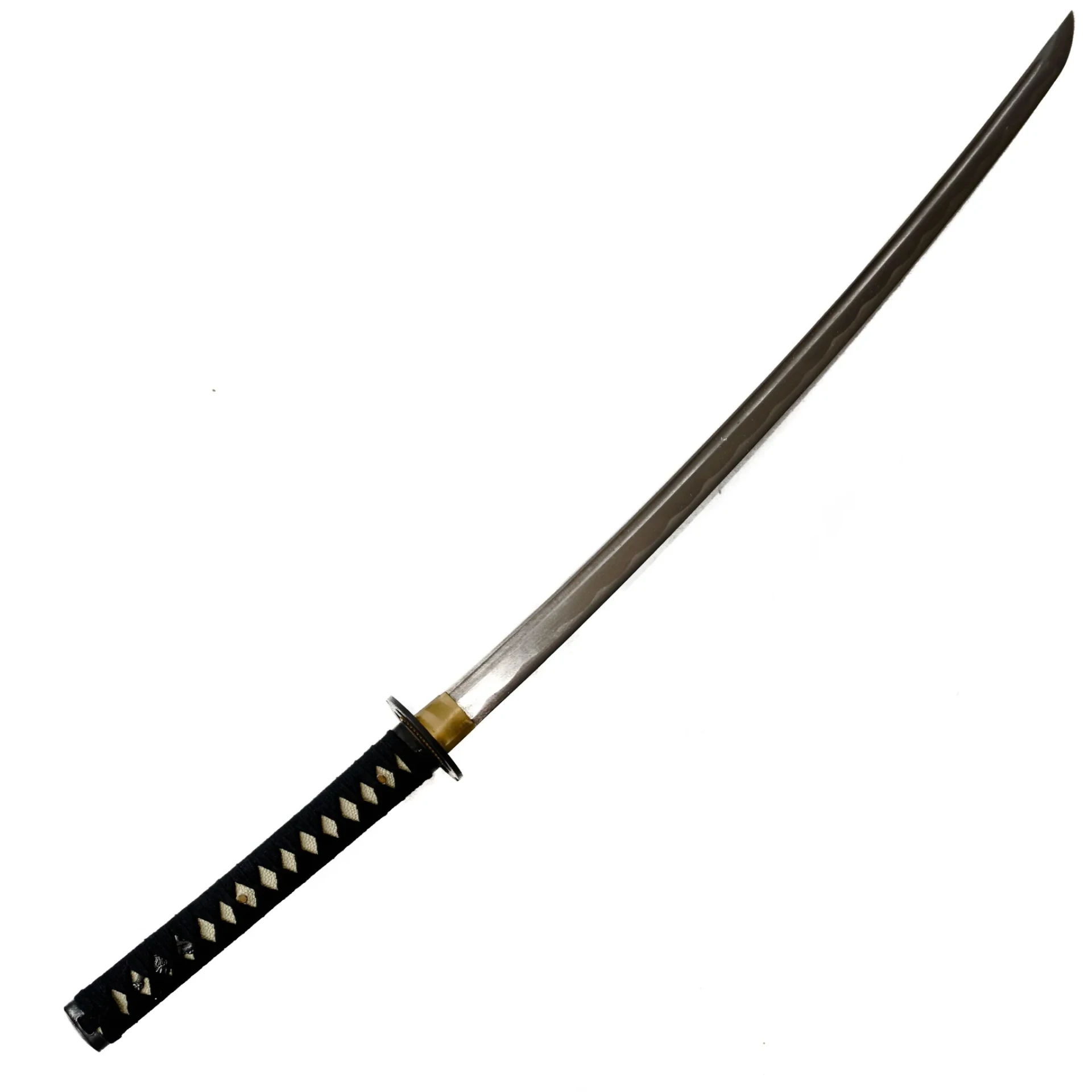

The sabre and the sword have epitomized weaponry in art, as well as in warfare. These two are revered, yet rather different in design, intent, and application. Learning these differences provides a perspective on each's unique roles and when they were dominant.
However, there’s a sabre sword, that you can check out at Battling Blades. You will love every sabre weapon at Battling Blades!
Design and Structure
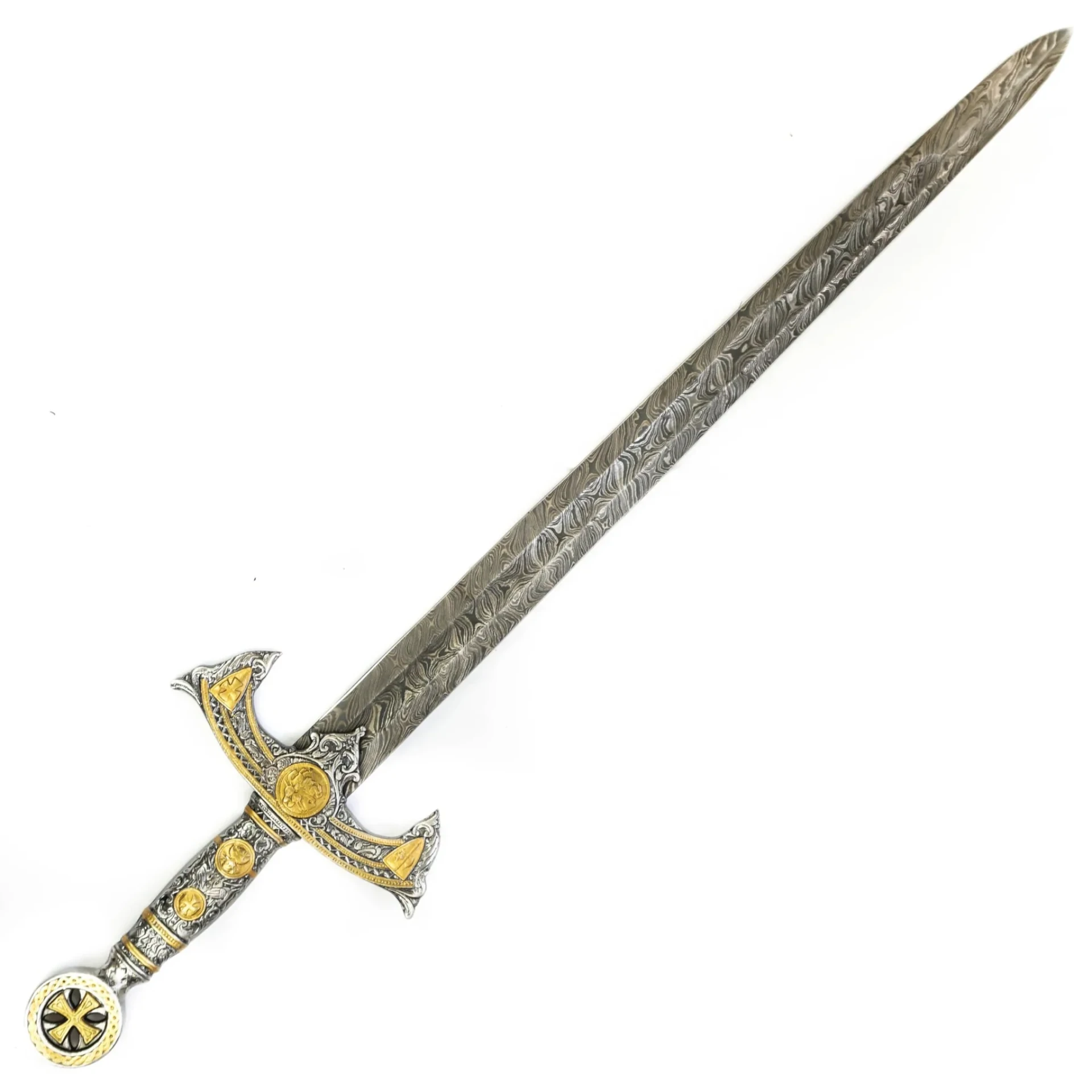
One of the most apparent differences between a sabre and a sword is in their design:
Blade Shape:
The straight shape enables accurate strikes in close combat.
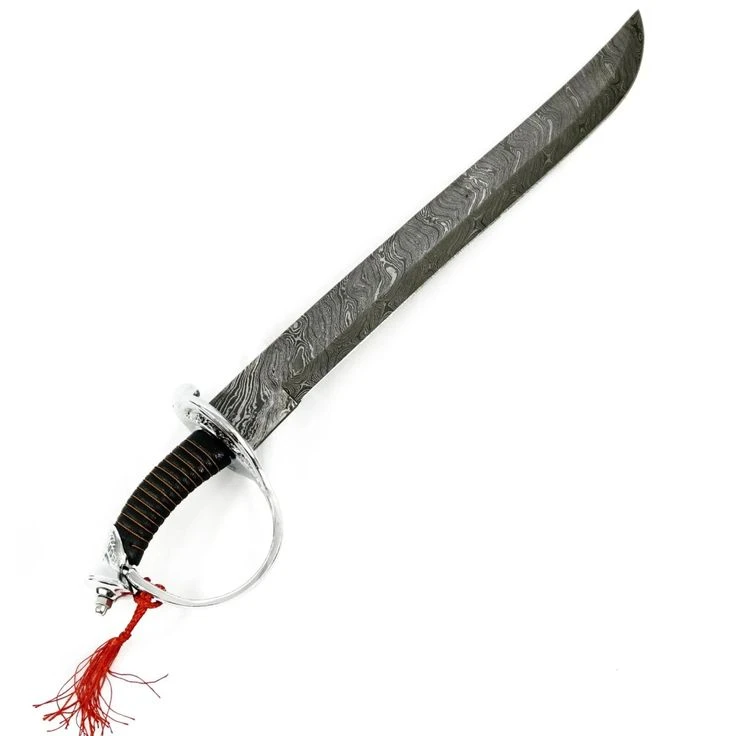
A sabre has a curved, single-edged blade, optimized for slashing, rather than thrusting. The curvature enhances cutting capability, particularly when swung quickly, such as from horseback.
Length and Weight
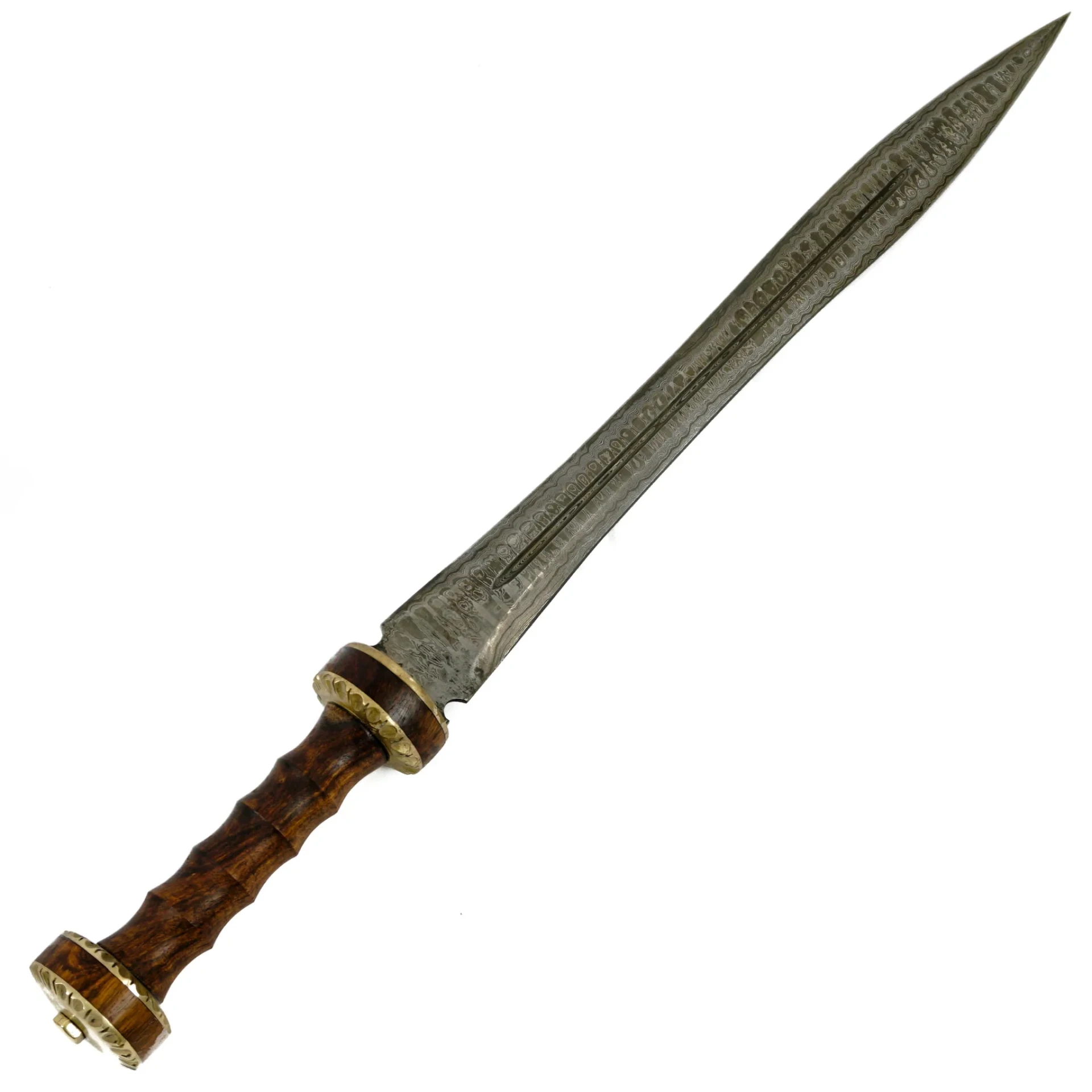
Swords varied in length, with some as short as 60 cm (e.g., Roman gladii), and others well over 120 cm (greatswords). Their weight corresponded so that longer swords often weighted heavily enough to be wielded only with two hands.
Sabres are shorter and usually lighter than longswords, with most falling between 70 and 100 cm. The lower weight made quick, extended battles easier to handle without becoming fatigued.
Hilt Design:
The crossguard is usually present on swords, which protects the user's hand and is useful in parrying enemy strikes. Others, such as the rapier, have complex handguards for extra protection.
Sabres normally contain a knuckle guard, the curved metal bar that protrudes from the hilt to cover the hand. This guard, during the swift cavalry charges, will protect the hand, while maintaining the lightweight nature of the weapon.
Usage of Swords:
Swords are made to be versatile. It is used in different combat situations, from single combat to mass battles. Infantry soldiers rely on swords for an offensive as well as defensive purpose. In Europe, longsword represents the chivalry, whereas the katana of Asian signifies samurai honor.
The straight blade of a sword facilitated thrusting attacks, thus it would be successful against armored opponents, and the double edge also made it flexible in making hits from every side.
Sabre Use:
Although the sabre sword was a cavalry weapon, it was mainly designed for quick slashing and long sweeping cuts. Its curved shape sliced very well in this kind of motion, especially when a rider dashed past an opponent. This earned the weapon much favor among mounted troops during the Napoleonic Wars and similar battles.
While the sabre can be used in close combat, its design is less suited for thrusting attacks. Instead, it was designed to rely on speed, mobility, and having the cuts drenched with power to cause damage.
Combat Style:
As with swords and sabres, the combat styles differ greatly:
Sword Fighting:
Fencing, Kenjutsu, and medieval longsword combat place a high emphasis on thrusts, slashes, and defensive parries. Any style of sword combat will likely see a great deal of success in multiple combat situations, be it on foot or horseback.
Sabre Fighting:
Sabre sword combat emphasizes speed and large sweeping motions. It is based on wide slashes and fluid movements, a dynamic style that modern fencing competitors in the sabre category reflect by scoring points with decisive, quick cuts.
Cultural and Symbolic Significance
Swords often symbolize honor, power, and justice. In mythology and literature, legendary swords such as King Arthur's Excalibur represent divine authority and heroism. Swords also serve as very important symbols in the practices of ceremonial rites, including knighting rituals and royal coronations.
Sabres, though not as widespread in terms of symbolism, represent swiftness, precision, and the magnanimous manner of cavalry warfare. It was frequently utilized in military ceremonies and was part of the officer uniform. In Eastern Europe, particularly, the sabre is a symbol of national pride and heritage.
Contemporary Application
In the present day, swords and sabres can no longer be weapons of war, but they are still acclaimed in different ways:
Martial Arts and Sports:
Swords are integral to martial arts like kendo, iaido, and historical European fencing. Sabres are one of the three disciplines in Olympic fencing, emphasizing speed and agility.
Collecting and Reenactments:
Both swords and sabres are popular among collectors and enthusiasts. Historical reenactments and films often feature these weapons, bringing their legacy to life.
Ceremonial Use:
Sabres and swords continue to appear in military ceremonies and parades, symbolizing tradition and honor.
The Bottom Line
While the sabre and sword share a common ancestry through being both bladed weapons, their differences point to different design philosophies and purposes. Both weapons are long-standing symbols of finesse, skill, and cultural heritage, and continue to be honored today in martial arts, sports, and culture. Check out their differences at Battling Blades. You will love their collection!



























Sign in to leave a comment.