

Charity holds a central place in Islam, encouraging compassion, generosity, and social responsibility. Among the different forms of charity, Sadaqah stands out as a voluntary act of kindness that can be given at any time and in any amount.
Unlike obligatory charity such as Zakat, Sadaqah is a personal choice, reflecting a Muslim’s willingness to help others and seek the pleasure of Allah. It is not limited to money—any act of kindness can be considered Sadaqah.
What is Sadaqah?
Sadaqah is voluntary charity given by Muslims to help those in need. It can be in the form of money, food, clothing, or even simple acts of kindness.
The word “Sadaqah” comes from the Arabic root “sidq,” meaning “sincerity.” This highlights that charity should be given with a pure intention and without expecting anything in return.
Difference Between Sadaqah and Zakat
Sadaqah (Voluntary Charity)
- Not mandatory
- Can be given anytime
- No fixed amount
Zakat (Obligatory Charity)
- One of the pillars of Islam
- Given once a year
- Fixed percentage of wealth
Both forms of charity are important but serve different purposes in Islam.
Types of Sadaqah
Monetary Sadaqah
Donating money to the poor and needy.
Sadaqah Jariyah (Continuous Charity)
Long-term charity that continues to benefit people, such as:
- Building wells
- Funding schools
- Supporting hospitals
Acts of Kindness
Helping someone, smiling, or giving advice can also be Sadaqah.
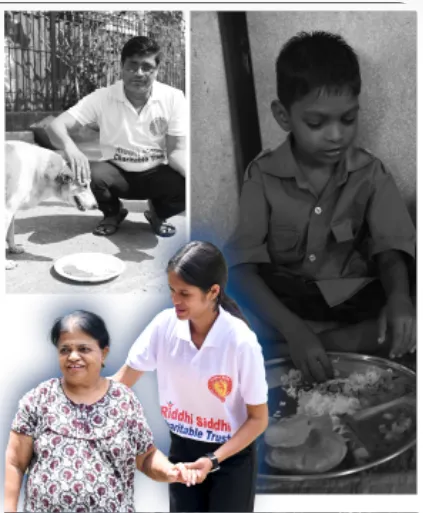
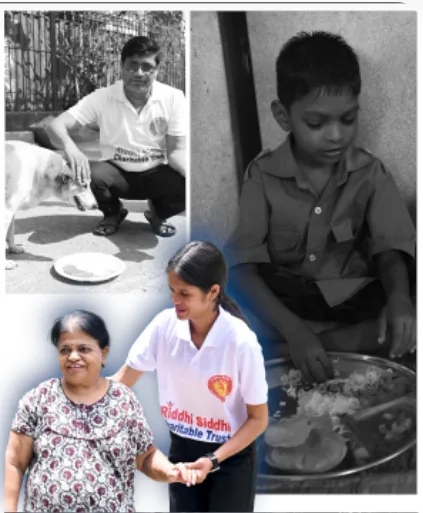
Providing Food & Shelter
Feeding the hungry and supporting homeless individuals.
Importance of Sadaqah in Islam
Spiritual Growth
Sadaqah strengthens faith and brings a person closer to Allah.
Purification of Wealth
Giving charity cleanses wealth from greed and selfishness.
Helping the Needy
Supports underprivileged communities and reduces poverty.
Strengthening Society
Promotes unity, compassion, and social harmony.
Benefits of Giving Sadaqah
Rewards in This Life and Hereafter
Charity is highly rewarded by Allah.
Protection from Hardship
Sadaqah is believed to protect against difficulties and calamities.
Increase in Blessings (Barakah)
Giving charity brings blessings in wealth and life.
Emotional Satisfaction
Helping others creates happiness and inner peace.
When Should You Give Sadaqah?
Anytime During the Year
There is no restriction on when to give.
During Ramadan
Rewards are multiplied during the holy month.
In Times of Need
Helping during emergencies or disasters is highly encouraged.
Regular Giving
Consistent small donations are better than occasional large ones.
How to Give Sadaqah
Direct Donation
Give directly to people in need.
Through Charity Organizations
Donate via trusted Islamic charities.
Online Donations
Many platforms allow quick and secure giving.
Community Support
Help family, neighbors, and local communities.
Common Misconceptions About Sadaqah
Only Money Counts
Sadaqah includes all acts of kindness.
Must Be Large Amounts
Even small contributions are valuable.
Only for the Poor
It can also support education, healthcare, and community projects.
Final Thoughts
Sadaqah is a powerful and flexible form of charity that allows Muslims to contribute to society in meaningful ways. Whether through financial support or simple acts of kindness, every effort counts and brings rewards.
By making Sadaqah a regular habit, individuals can improve their spiritual well-being, support those in need, and create a positive impact in the world.






















Sign in to leave a comment.