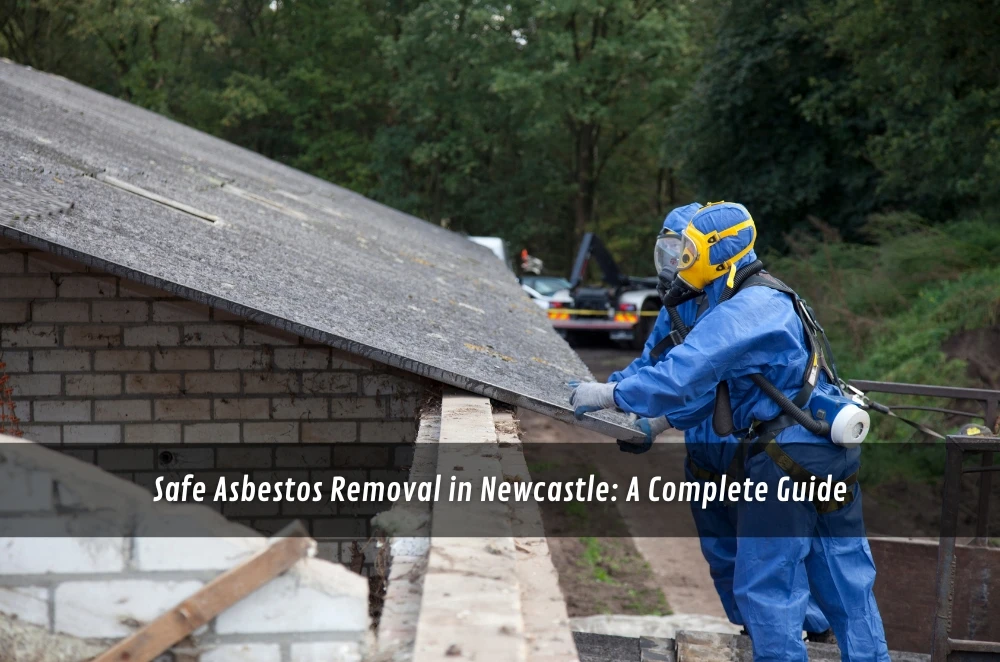

If you’re renovating an older home in Newcastle, there’s always the chance that asbestos is hiding in the walls, ceilings, or even under the flooring. It’s not something you want to take lightly—fibres released during demolition or DIY work can linger and pose long-term health risks. That’s why the very first step is to think about safety, not speed. In practice, calling in professionals for safe asbestos removal in Newcastle makes the process calmer and more predictable. I learned this a few years ago when helping a friend in Mayfield. What started as a weekend bathroom project came to a halt the moment we spotted a suspicious backing board. Instead of pushing ahead, we paused, tested, and adjusted the plan with licensed help. That decision kept the household safe and turned what could have been a hazard into a straightforward renovation step.
Where asbestos hides and how trades manage the risk
Asbestos isn’t always obvious. It can sit in soffits, eaves, bathrooms, behind splashbacks, in old roofing, and in the backing of certain floor coverings. Trying to identify every product by eye is a gamble; the better approach is to assume risk until materials are checked and to manage disturbance as if fibres are present.
- Common locations in older dwellings: wet areas, eaves, garages, sheds, and old fencing
- Visual cues are unreliable; testing beats guesswork every time
- Disturbance control matters more than detective work: isolate, contain, and wet-down
- Clear documentation keeps the site team aligned as stages progress
On real jobs, the best crews favour planning over speed. I’ve seen removalists map isolation zones, choose removal sequences that limit vibration, and schedule other trades so the sensitive work happens without traffic cutting through controlled areas. That discipline gives everyone—homeowner and builder alike—more predictability.
Licensing, approvals and doing things by the book
Compliance isn’t red tape for its own sake; it’s how a project avoids stop–start chaos. In New South Wales, councils and certifiers rely on state requirements to assess demolition and site work. Before structures come down, approvals and controls should be settled, and if suspect materials are present, certified removal sits within that sequence rather than tacked on at the end.
- Risk assessments shape the method: containment, wet methods, and disposal protocols
- Licensed removalists provide method statements and certification of completion
- Neighbour considerations: dust management, timing, and safe access routes
- Consistent communication with the certifier prevents rework and site delays
One point that often comes up is how approvals are tied directly to demolition. You can’t just start tearing down walls because you feel ready—the paperwork needs to match the site conditions. The state’s planning portal outlines exactly how demolition approval in NSW works, and following that framework keeps both the builder and the homeowner out of trouble.
Coordinating trades without tripping over each other
Even minor renovations can involve removalists, carpenters, sparkies, and an earthworks crew. The best sites feel unhurried because the lead contractor sets expectations about who’s on the tools and when. I’ve been on jobs where a simple A3 program sheet lived in the shed—basic, but it kept the day tidy.
- Staggered scheduling minimises vibration and unintended disturbance
- Zone marking prevents accidental entry into controlled areas
- Short daily toolbox talks keep plans current and hazards front-of-mind
- Waste pathways are defined early so clean zones stay clean
With asbestos in the mix, containment comes first. Other trades adjust around those constraints,s so the site never turns into a tug-of-war. That sequencing mentality is what turns an anxious job into a steady one.
Choosing the right earthworks support for your project
Once hazardous materials are out, ground works often begin: trenching for services, footing prep, reshaping for drainage, or trimming levels for a new slab. The excavation partner you bring in should be comfortable operating on sites that have just completed removal and are still working under tight controls. You’re looking for alignment with the builder’s program, not just a big machine.
- Track record with older properties and tight suburban access
- Respect for site boundaries, spoil management, and reinstatement
- Machinery matched to access limits—no point dragging in gear that can’t manoeuvre
- A communication style that meshes with the builder and supervisor
In my experience, smooth projects happen when the excavation team knows how to adapt to constraints rather than rushing the job. That’s why choosing reliable excavation services in Newcastle makes a difference—you get operators who can handle the transition from a sensitive removal site to a construction-ready block without unnecessary setbacks.
When asbestos intersects with major site works
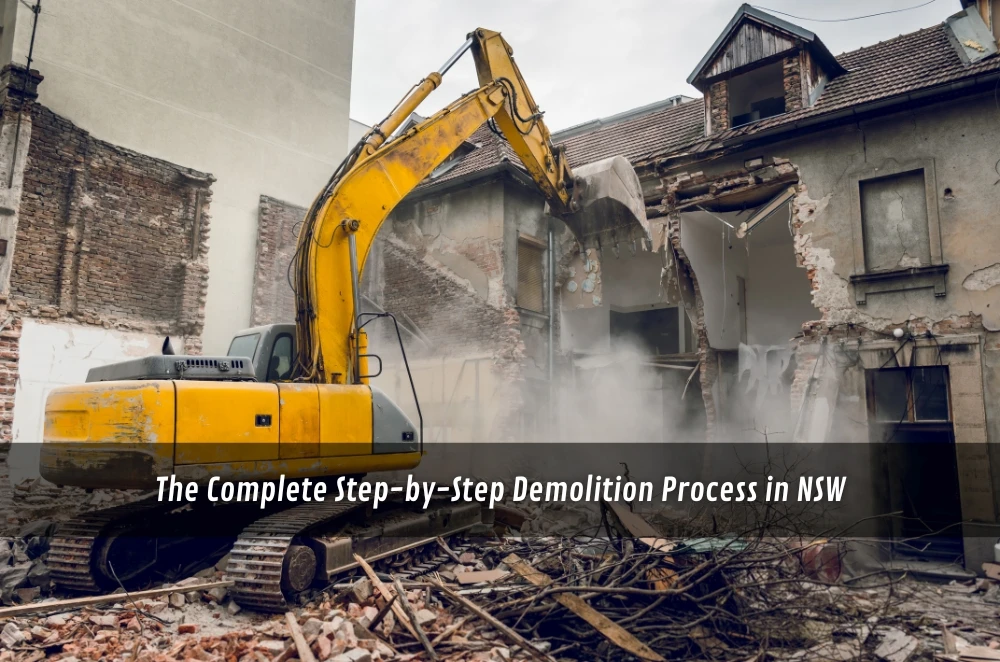
Large projects—multi-room renovations, knock-down rebuilds, or commercial refits—benefit from crews who understand how demolition and earthworks influence each other. I’ve seen demolition teams plan their sequence so slabs, footings, and services are exposed with minimal disturbance. That orderliness hands a cleaner site to excavators who can work predictably without cutting across containment zones.
- Early service locating reduces surprises when the digging starts
- On-ground material separation speeds disposal and recycling streams
- Temporary drainage keeps pads workable after heavy weather
- Handover notes between teams stop information from getting lost mid-project
It’s easy to see how well-organised demolition and excavation projects can save time and stress. When trades coordinate, the handoff feels seamless and the entire project benefits from a smoother rhythm.
Common mistakes to avoid during renovation
A calm approach comes from steering clear of predictable traps. I’ve watched small slip-ups expand into long days because someone tried to “work around” a known risk. A few patterns come up again and again.
- Chasing speed over setup: skipping isolation or signage to “save time”
- Treating visual inspection as certainty: fibres don’t announce themselves
- Letting multiple trades overlap inside a controlled zone
- Moving waste through clean areas instead of using a defined path
- Forgetting to brief neighbours on upcoming noisy or sensitive work
Each of these mistakes compounds risk and confusion. The antidote is boring but effective: plan, brief, stage, and verify.

Practical checklist before work begins
Before tools come out, a grounded checklist helps keep the day predictable. I keep a compact version in my notebook for quick site walk-throughs.
- Confirm age and type of construction; flag suspect linings and backings
- Arrange testing as needed; treat unknowns conservatively until cleared
- Lock in the sequence: assessment → approvals → removal → demolition → earthworks
- Map isolation, clean, and waste paths on a simple site sketch
- Set communication rhythm: daily toolbox talk, short handover notes, single source of truth
- Verify that licences, insurances, and disposal arrangements are current
- Schedule other trades to avoid overlap with controlled works
This checklist isn’t paperwork for its own sake. It’s the scaffolding for calm delivery on a site that could otherwise feel chaotic.
Final thoughts
Asbestos management isn’t about fear; it’s about taking a material seriously and letting process carry the load. When a Newcastle renovation treats risk assessment, approvals, and sequencing as one plan—not scattered tasks—workflows stay steady. Bring in licensed removal for the hazardous parts, keep communication tight between trades, and move from demolition through to ground works without cutting corners. The result is a cleaner site, fewer surprises, and a project that keeps momentum from first inspection to the final tidy-up.





























Sign in to leave a comment.