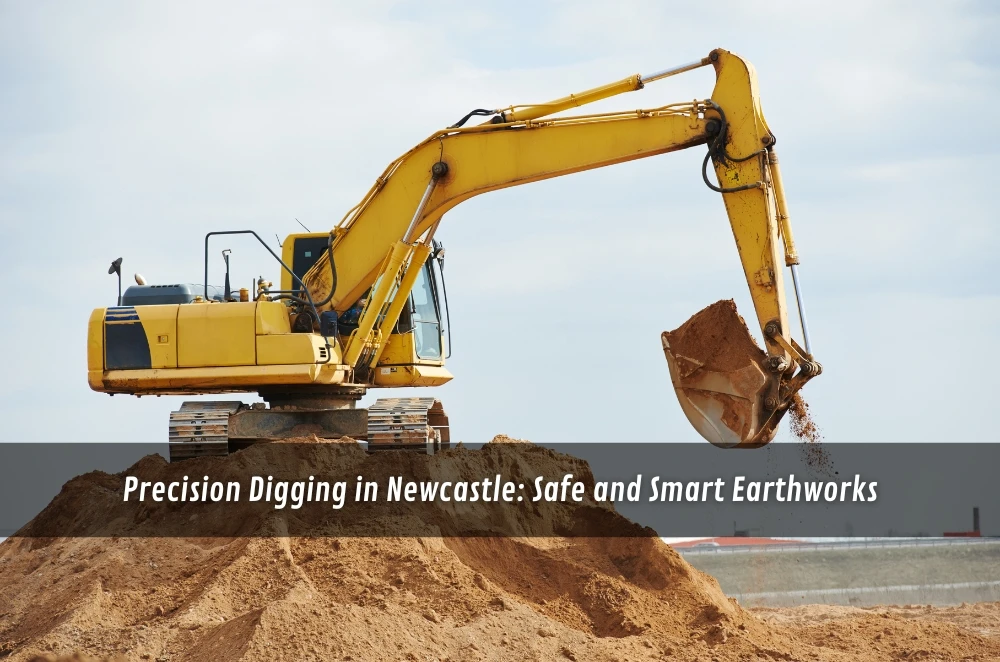

Newcastle’s construction environment brings its fair share of challenges — tight urban spaces, ageing infrastructure, and unpredictable underground conditions. Anyone who’s managed groundwork here knows how one unexpected pipe or cable can disrupt an entire project. That’s why many local contractors rely on a professional excavation Newcastle service to handle the job with precision and care. Using controlled digging methods that minimise ground disturbance, these services make it possible to expose utilities safely while keeping the site clean and compliant. It’s a smarter, more efficient way to work beneath the surface, helping crews stay on schedule and avoid unnecessary setbacks. For builders, councils, and engineers across the Hunter region, careful excavation isn’t just about moving soil — it’s about protecting what’s already in place.
What precision excavation delivers on-site
Anyone who’s spent time on the tools knows that no two digs are ever the same. You might plan for clear ground, then hit an unrecorded conduit half a metre in. That’s where non-destructive excavation earns its keep — you can open up the area without smashing through everything in the way. On Newcastle’s mixed-use streets, where heritage meets new build, this kind of work is becoming the norm rather than the novelty.
- Works neatly around existing utilities and heritage foundations.
- Minimises the need for costly reinstatement after exposure.
- Supports faster verification of underground assets before design adjustments.
- Reduces community disruption by keeping spoil contained and sites clean.
I remember one job near Mayfield: we started with what looked like a straight run, and halfway through, the crew uncovered an old drain that no one had mapped. Because we used soft-digging methods, the pipe came out unscathed, and the job kept rolling. Simple stuff, but it saves a lot of drama.
Approvals and responsibilities on NSW projects
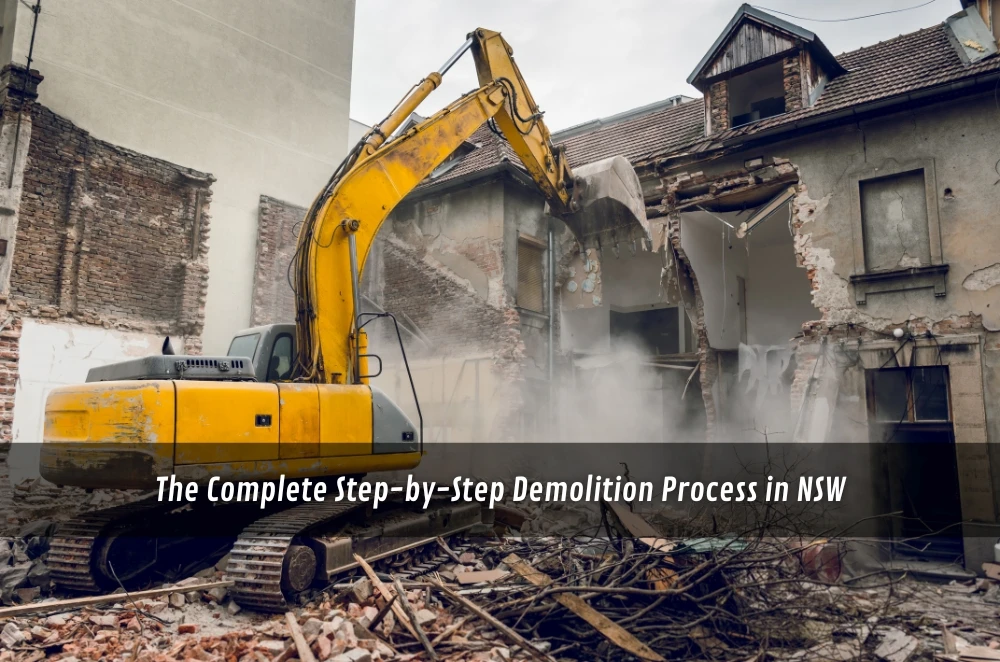
Every excavation project in New South Wales involves more than soil and steel — it includes planning, notifications, and compliance. Before a single trench is opened, project managers need to know which approvals apply. Many refer to NSW demolition and excavation approvals for clarity on when works fall under Complying Development or require a Development Application. Understanding these frameworks helps ensure that activities on-site align with approved conditions.
- Confirm if trial holes or service exposures are covered by existing permits.
- Set up exclusion zones and ensure environmental controls are in place.
- Document every service location and depth for future reference.
- Coordinate with local councils or utility providers early in the schedule.
Truth be told, sorting approvals early can feel tedious, but skipping it costs more later. SafeWork Australia drives home the same point — keep trenches supported, monitor atmospheres, and supervise with competence. These aren’t boxes to tick; they’re the things that stop close calls from becoming headlines.
Planning a clean, low-disruption dig
Planning doesn’t have to be complicated — just consistent. Crews that take fifteen minutes to talk through staging and spoil handling at the start usually finish without headaches. It’s the difference between chasing problems and staying a step ahead.
- Map all known and unknown utilities before you start.
- Stage excavation zones to maintain access for nearby businesses and residents.
- Use the right air or hydro tools for soil type and depth.
- Keep equipment positioned to minimise trip hazards and vehicle conflicts.
Operators like Excavation Earthworks often highlight that consistent planning reduces project fatigue and community complaints. Their approach of pre-mapping and clear crew communication is a reminder that the smartest digging is the one that avoids surprises altogether.
Choosing a capable contractor
Picking the right excavation team isn’t just a procurement decision; it shapes how the entire project runs. Good crews communicate, adapt, and document everything. That’s why I always point people towards choosing the right excavation company when shortlisting contractors. It’s not about the cheapest quote — it’s about trust and proof. You want operators who know when to slow down, when to switch technique, and when to call something out before it turns messy.
- Ask how the team manages underground risk during planning.
- Review their service records and certifications for specialised equipment.
- Check that their reporting includes photos, service depths, and as-built data.
- Look for clear safety briefings and experienced spotters on every job.
On one civic project near Hamilton, we had a crew that handled exposure, verification, and reinstatement all in a single day. No fuss, no rework — just clear communication and discipline. That’s what separates reliable contractors from lucky ones.
Managing safety and legacy materials
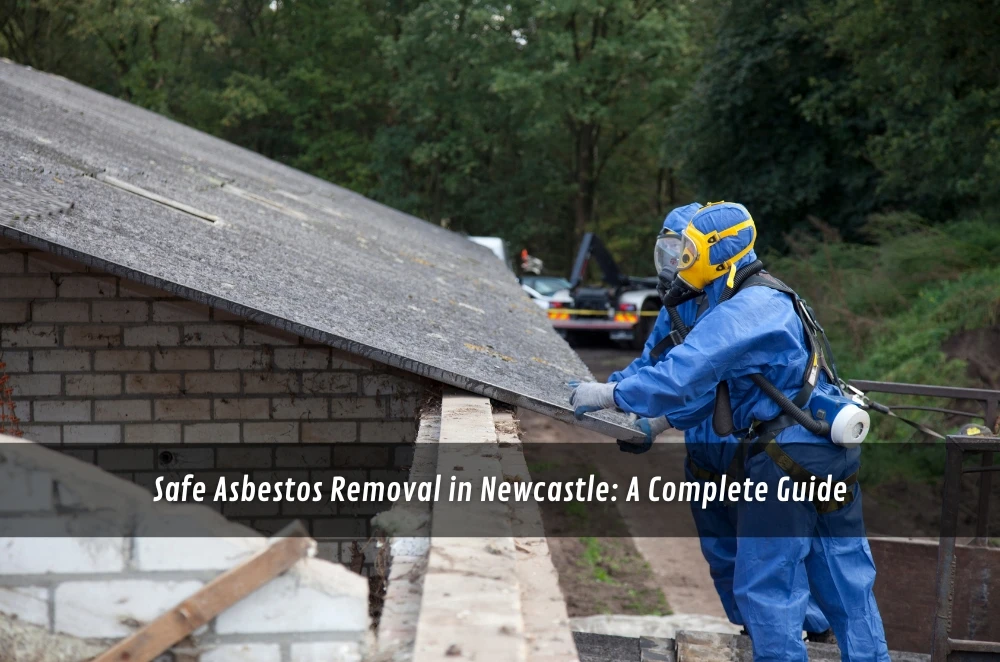
Digging around older sites brings its own set of unknowns. You might have live cables on one side and brittle asbestos pipes on the other. Ignoring that mix is asking for trouble. Understanding commercial asbestos removal in Newcastle gives teams a framework for safe handling before work begins. The goal isn’t to slow things down; it’s to make sure no one’s breathing dust that shouldn’t be there.
- Establish exclusion zones before excavation begins.
- Work with licensed assessors for asbestos and soil contamination testing.
- Manage slurry and spoil to prevent environmental contamination.
- Confirm all clearances before reinstatement or structural work resumes.
Handled properly, these steps fade into the background — you barely notice them because the site just runs smoother. Ignore them, though, and you’ll remember the fallout for months.
Final thoughts
Excavation isn’t about tearing through dirt as fast as you can. It’s about reading the ground, thinking a few moves ahead, and respecting what’s buried out of sight. In Newcastle, that mindset separates professional crews from the rest. Plan it right, follow approvals, stay alert to the hazards, and your team will deliver clean work without the drama. That’s the real measure of precision digging — not just how deep you go, but how safely you get there.

























Sign in to leave a comment.