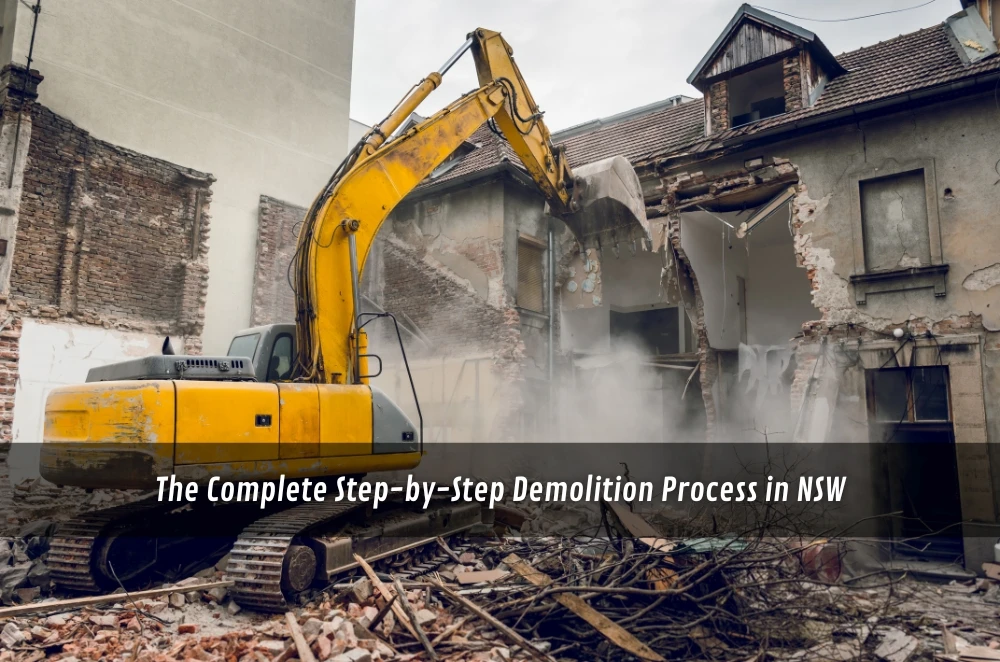

Thinking about knocking down an old structure in the Hunter? If you’re weighing up residential demolition in Newcastle, it helps to understand what actually happens before a single wall is touched. Between council approvals, utility disconnections, hazardous-material checks, site preparation and the practical realities of dust and waste control, there’s a fair bit to organise. Newcastle and broader NSW rules add their own quirks, too, so having a clear roadmap from the outset makes the entire process smoother and avoids costly delays once demolition day arrives.
What “demolition” really covers (and when you need permission)
Demolition isn’t just swinging an excavator at a brick wall. In NSW, it includes the systematic removal of structures, services, hardstand, and sometimes contaminated elements (think asbestos eaves, old tanks and friable pipe lagging). For many sites, demolition is either part of a Development Application (DA) or can be treated as complying or exempt development—but only if strict criteria are met (heritage, hazards, setbacks, and more). The City of Newcastle provides local guidance on when demolitions may be exempt or comply, and when you must lodge a DA.
Separately from planning approvals, certain demolition work must be notified to SafeWork NSW when it involves higher-risk activities such as demolishing structures over six metres, using explosives, or operating load-shifting machinery on a suspended floor. The required notification can be lodged online before works begin.
Step-by-step: how a compliant demolition unfolds
Below is a practical, sequential view of a typical residential or light commercial demolition in Newcastle. Larger or complex jobs (multi-storey, heritage, heavy industrial) add more engineering and staging, but the bones are similar.
- Desktop checks and scoping
- Identify planning pathway: exempt, complying, or DA. Confirm overlays (flooding, bushfire, heritage). Check lot boundaries and structures to be retained. City of Newcastle’s guidance is the baseline here.
- Early SafeWork trigger scan: height, explosive usage, suspended floors. If any apply, prepare the SafeWork notification.
- Surveys, hazardous materials & utilities
- Commission a hazardous materials (HAZMAT) / asbestos survey if the structure predates the asbestos ban or if materials are unknown.
- Locate services (water, gas, power, NBN) and book abolitions/isolation.
- For friable asbestos or significant quantities, the demolition methodology must align with the NSW Code of Practice for Demolition Work.
- Approvals & notifications
- If DA or Complying Development Certificate (CDC) is required, lodge the application with plans, waste management strategy, and demolition methodology.
- Notify neighbours if required by the consent conditions or as good-neighbour practice for dust and noise.
- Submit SafeWork demolition notification (if triggered).
- Pre-start controls
- Temporary fencing and signage; traffic and pedestrian management where footpaths/lanes are impacted.
- Sediment controls, wheel wash (if needed) and dust suppression setup.
- Plant risk assessments, lift plans for heavy elements, and a site-specific SWMS that reflects the Code of Practice.
- Soft strip-out
- Remove fixtures, internal linings, services, and non-structural elements first to reduce hazards and waste volume.
- Segregate recyclables (metal, clean timber, masonry) to meet local waste expectations and reduce tipping fees. City of Newcastle’s technical resources and checklists support documentation at this stage.
- Asbestos removal (if present)
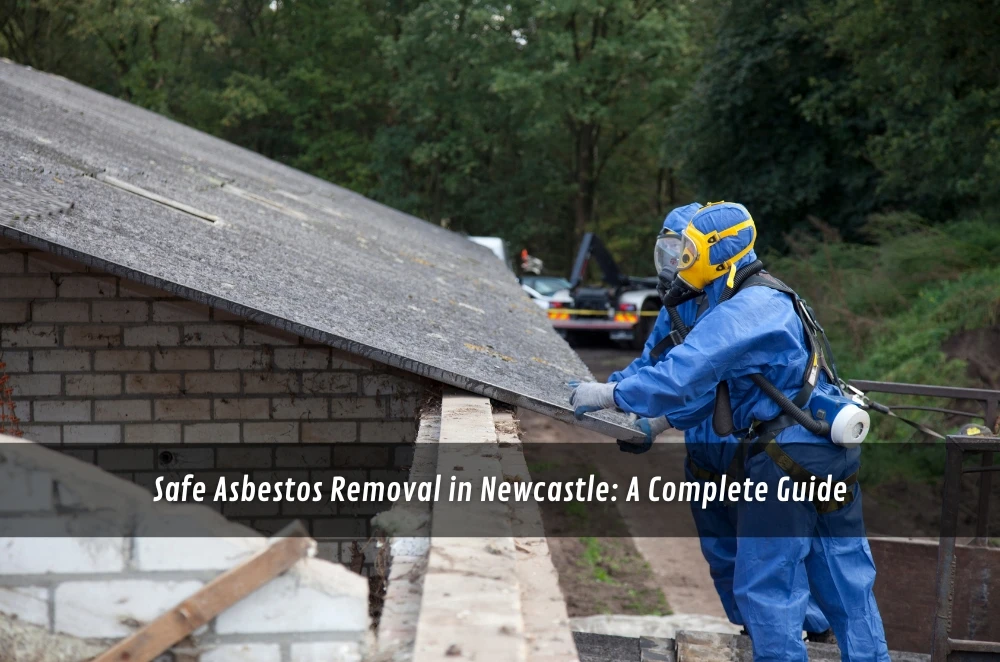
- Licensed removal with containment, wet methods, negative pressure (for friable), air monitoring as required, and lawful disposal.
- Clearance inspection and certificate before structural demo proceeds, per the Code of Practice.
- Structural demolition
- Start from the top down; avoid undermining load-bearing elements.
- Use mechanical methods (excavator with shear/hammer) or hand demo for tight access and sensitive adjacencies.
- Maintain exclusion zones, spotters, and continuous dust suppression. The Code prescribes safe sequencing to minimise collapse risk.
- Waste handling & haulage
- Load out segregated waste streams to licensed facilities; keep docket trails for your Waste Management Plan and DA compliance.
- Masonry often goes to crushing/recycling; steel is typically 100% recyclable—good for both landfill diversion and cost recovery.
- Slab, footings & undergrounds
- Remove or saw-cut slabs and footings (as required by consent or the future build).
- Decommission septic tanks or fuel tanks per environmental guidelines; backfill and compact where necessary.
- Final clean, backfill and certification
- Level and stabilise the site.
- Complete close-out documentation: waste dockets, asbestos clearance(s), SafeWork notification reference, and any council/PC sign-offs.
What it really costs (and why quotes vary)
No two demos are the same, but costs tend to move with:
- Access & site constraints: Narrow frontages, overhead power, or shared walls can push methods toward hand-demo and mini-plant.
- Materials & hazards: Asbestos, lead paint, or complex services add labour, controls and disposal costs.
- Volume & recycling: Heavier masonry and longer haul distances increase cart-away fees; good segregation can claw back value on metals.
- Paperwork & engineering: DA conditions, traffic plans and engineering inputs for staged or shored demolition can add professional fees.
From experience, homeowners usually budget in bands rather than fixating on a single figure. A light-weight cottage with straight access might sit at the lower end; a double-brick two-storey with asbestos and constrained frontage lands higher. For transparency with readers on Medium, we’ll link a companion piece covering dollar ranges and allowances for house demolition costs in Newcastle.
Tight access and staged methods (Newcastle quirks)
Older suburbs in Newcastle—think narrow blocks, laneways, heritage pockets—often demand surgical sequencing:
- Hand-demo first passes: Strip balconies/verandahs and roof elements to reduce the height and risk envelope before bringing in plant.
- Mini-excavators & skid steers: Useful where a full-size excavator can’t safely swing, or where boundary walls need protection.
- Progressive cart-away: Smaller trucks, more trips, tighter scheduling with neighbours to minimise disruption.
- Live services & neighbours: Extra checks on shared drains, party walls and common utilities.
We’ll include a neutral authority read for readers who want more technical detail without pushing them to a competitor—tight access demolition Newcastle.
Waste, recycling and environmental care
A tidy waste plan saves money and arguments:
- Segregate early: Metals, clean concrete/brick, untreated timber.
- Tip smart: Use licensed facilities; keep weighbridge dockets for council compliance.
- Dust & noise: Water carts/misters, shorter hammer bursts, and respectful start/finish times reduce neighbour friction.
- Erosion control: Stabilise the lot if the slab’s going and the new build isn’t immediate.
Newcastle’s technical manuals/checklists help align your waste recording and erosion/sediment controls with local expectations, which speeds up sign-off.
Choosing a contractor (questions worth asking)
- Approvals & notifications: “Do you determine if my job is exempt/complying/DA and manage the paperwork?” “Will you lodge any required SafeWork notifications?”
- Methodology: “How will you stage the demolition to avoid undermining structural elements?” “What’s your plan for dust and noise?”
- Asbestos competence: “Who is your licensed removalist? How do you handle friable vs non-friable and clearance certificates?”
- Waste transparency: “Will I receive waste dockets and a close-out pack suitable for council records?”
If you want a local starting point, Demolition Permits Newcastle gives a clear overview of the planning side in Newcastle. For practical service delivery in the region, residential demolition Newcastle shows how an end-to-end contractor manages permits, removals, and clean-up—useful when you’re shortlisting.
Conclusion
Demolition in Newcastle isn’t simply a matter of machinery and muscle—it’s a regulated, staged process shaped by planning rules, safety obligations and the quirks of older local suburbs. And because many projects move straight from demolition into residential excavation in Newcastle, understanding the sequence up front helps everything run smoothly. When each step is handled methodically, from asbestos checks through to final certification, the job moves faster and with far fewer surprises.




























Sign in to leave a comment.