

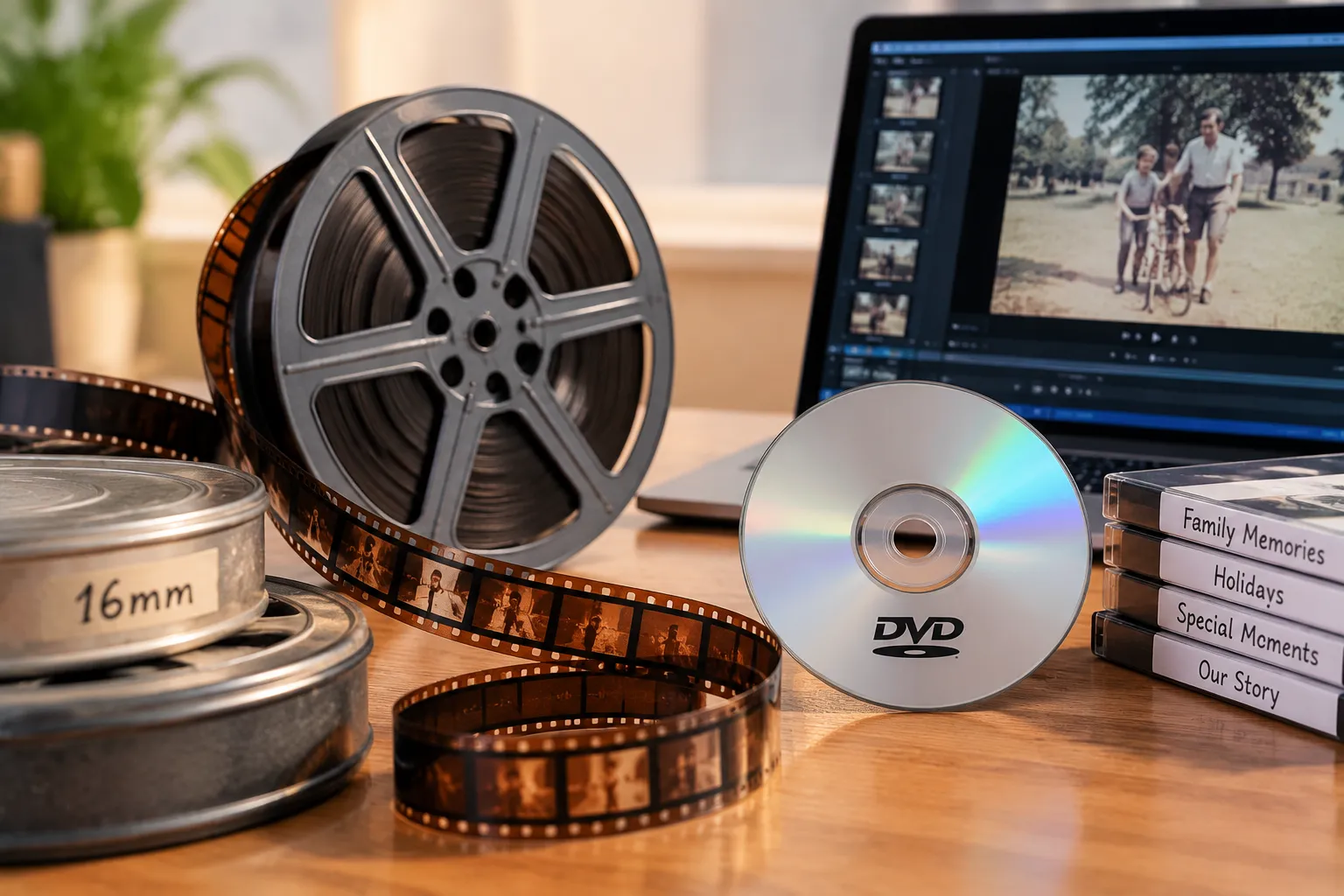
Every week at Lifetime Heritage Films Inc, clients walk through our doors carrying a heavy cardboard box. Inside, there is usually a fragile mix of magnetic tapes, faded photographs, and aging movie reels. These boxes hold weddings, first steps, and voices of loved ones who have passed on. The most pressing question on their minds is always the same: how can we safely Transfer to digital before these physical memories deteriorate completely?
There is a lot of conflicting information online about media preservation. Many people assume that as long as a tape or reel is kept in a dry closet, it will last indefinitely. Unfortunately, analog media was never designed for permanent archiving. The chemical and magnetic components naturally break down over time. In this guide, I want to walk you through exactly what happens to aging media and why a professional approach is the only guaranteed way to save your family's history.
Why is DIY media conversion riskier than people think?
When families decide to finally digitize their media, the first instinct is often to look for a cheap, at-home solution. You can easily find inexpensive USB capture devices online that promise to convert old tapes to your computer. However, these budget devices often cause more harm than good.
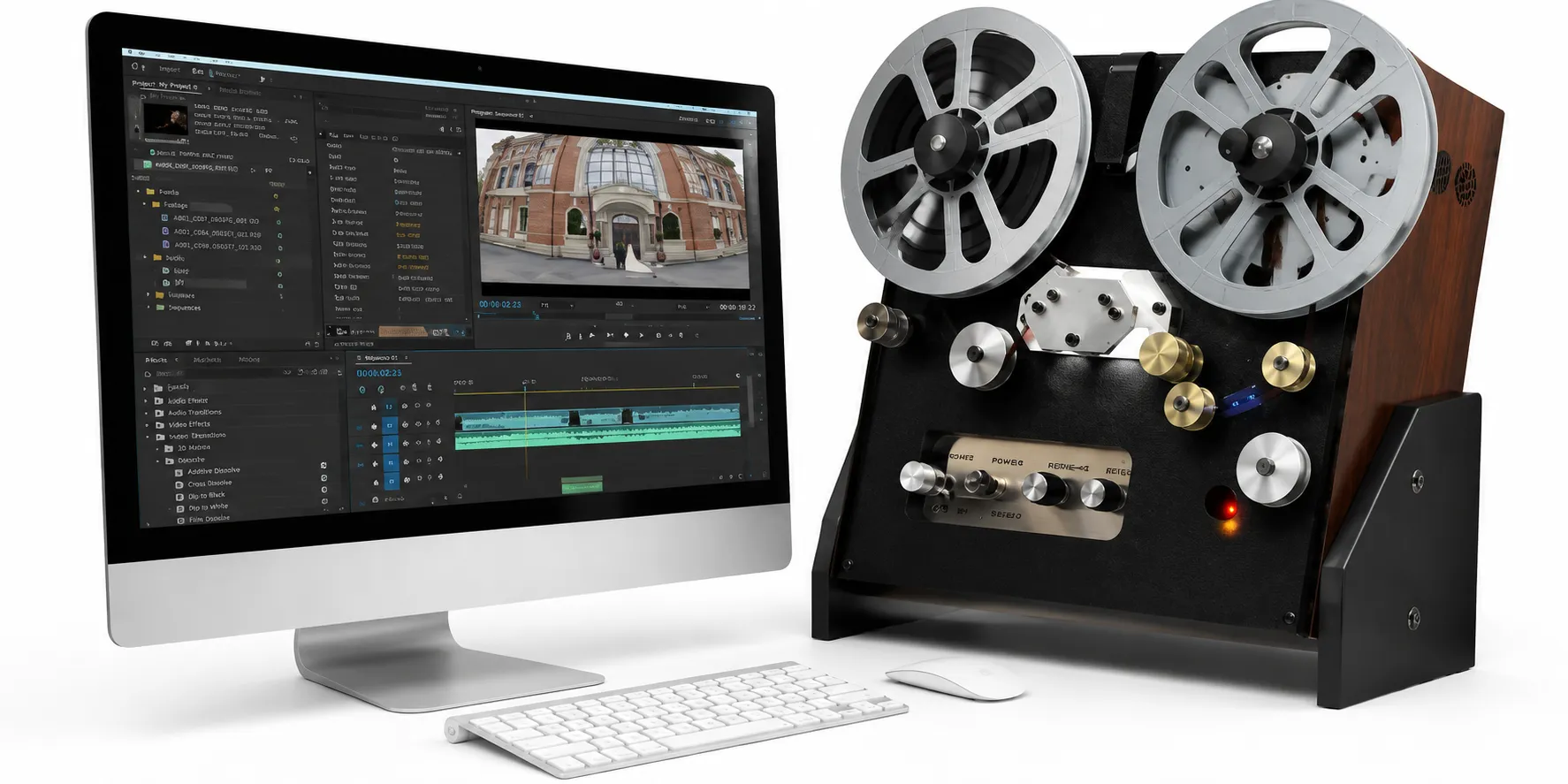
Old media requires specialized playback equipment that has been maintained and calibrated. A cheap capture card relies on the mechanics of whatever old, dusty VCR you pull out of the attic. If the internal rollers of that old player are misaligned or sticky, it will physically chew up your tape. We have seen countless destroyed tapes because someone attempted a DIY VHS to digital project using unserviced machinery. Professional archivists use commercial-grade decks equipped with Time Base Correctors that stabilize the image and protect the physical tape from tension damage.
What actually happens to physical media as it ages?
To understand the urgency of digitizing, you have to understand the science of analog decay. Magnetic tapes are essentially thin strips of plastic coated with microscopic magnetic particles. These particles hold the video and audio data. Over the span of two to three decades, the chemical binder holding those particles to the plastic begins to dissolve.
This creates a sticky residue, causing the tape layers to fuse together. When you try to play a tape in this condition, the magnetic information literally flakes off into the machine. Once that data flakes off, it is gone forever. This is why waiting another five years to digitize your collection is a massive gamble. The degradation is not pausing; it is actively accelerating in the background.

How do professionals handle fragile family archives?
When a client entrusts Lifetime Heritage Films Inc with their memories, we do not simply plug a tape into a computer and walk away. The process is highly hands-on. Every single piece of media is manually inspected before it ever goes near a playback deck.
We check the tension of the tape reels and look for signs of mold, which looks like a white powder on the edge of the ribbon. If we spot mold or severe chemical breakdown, the tape goes through a delicate cleaning and baking process to stabilize it temporarily. Only when the media is safe and stable do we begin the digital capture. We monitor the transfer in real-time, adjusting audio levels and tracking issues as they happen. This level of active monitoring is what separates a flawless digital master from a glitchy, unwatchable file.
What is the best storage format for long-term safety?
Getting your media digitized is only half the battle. How you store those new files dictates whether your grandchildren will actually be able to watch them. We always recommend a "3-2-1" backup strategy for your newly digitized family archive.
You should keep three total copies of your files. Two copies should be kept on physical drives in different locations—for example, one high-quality external hard drive at your house, and a backup drive at a trusted relative’s home. The final copy should be uploaded to a secure cloud storage service. This ensures that no matter what happens—be it a lost drive, a computer crash, or a natural disaster—your memories are safe.
Taking the leap to preserve your past can feel overwhelming when you are staring at a massive box of outdated formats. But you do not have to figure it out alone. Reaching out to a dedicated studio to officially transfer to digital is the best investment you can make to guarantee your family's legacy outlives the physical plastic it was recorded on.


















Sign in to leave a comment.