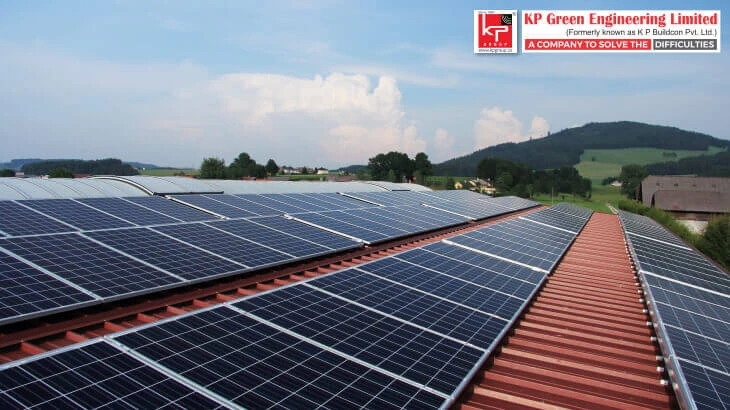

Most people focus on the benefits of solar. Clean power, lower emissions, more independence. All true, but large Solar Power Plant Construction is not simple. It is a major industrial project. Think closer to building a power station than putting panels on a roof. With that scale comes risk.
A solar farm looks calm once it is running. During construction it is constant movement of machines, electrical work, and long hours in heat. The risks are real.
The overlooked risks of working in remote locations
Large plants are usually built in remote areas. Roads are poor, cell service weak, medical care far away. When accidents happen, the response is slow. That can turn a minor injury into something serious.
People assume solar is safer than oil or gas. But isolation is its own risk. Heatstroke in 45°C weather is just as dangerous here as anywhere else. Crews need water stations, shaded rest areas, and medical staff on-site. These should be treated as essentials, not extras.
Heavy lifting and moving steel
Building a solar plant is not light work. It takes miles of piles, racks, and tracking systems. That means cranes, pile drivers, and forklifts running all the time. With dozens of machines moving, accidents can happen quickly.
Panels may look light, but a pallet weighs close to a ton. Multiply that across a site and it becomes a logistics problem like a warehouse yard. Without strict traffic rules, collisions are hard to avoid. Safety precautions in solar plant installation must include how people and equipment share space.
Electrical hazards—the invisible threat
When modules are wired and inverters connected, the site becomes a live power plant. Unlike heavy equipment, electrical hazards are invisible. A mistake in grounding or isolation can endanger an entire crew.
Too often contractors treat electrical safety as paperwork. Lockout and tagout steps are written, but in practice, shortcuts are common. I have seen workers open junction boxes with the wrong tools or wear cotton gloves instead of rated gear. This is dangerous.
Solar runs at up to 1,500V DC. That is not low voltage. Training and supervision must be strict, or lives are at risk.
Weather—friend and foe
The point of a solar farm is sunlight. The same sun punishes workers in the field. Long shifts under open skies raise the chance of dehydration and heat illness. Storms add another layer. High winds can flip unsecured panels or topple half-finished rows.
Weather is still underestimated as a safety risk. Work should stop when it is unsafe, but schedule pressure often keeps crews in the field longer than they should be.
Cultural and workforce challenges
Solar projects bring together a mix of labor. Local workers, subcontractors, and foreign experts often share the same site. Not everyone speaks the same language or follows the same safety habits.
I have seen training delivered only in English when many workers spoke Hindi, Spanish, or Vietnamese. That is not training. If people cannot understand the rules, then the rules do not work.
The pressure of scale
The bigger the project, the tighter the deadlines. Delays cost money. That pressure moves down to supervisors and workers. Corners get cut. Temporary walkways skipped. PPE ignored because it slows things down.
Solar is safer overall than fossil fuel projects. But that does not mean large solar is free of danger. Accidents happen. They are just less visible in the media.
So what’s the way forward?
Safety challenges are not a reason to slow down solar development. But the industry should stop acting like Solar Power Plant Construction is risk-free. It is large-scale construction and should be managed as such.
That means safety must be built into contracts. Site design should consider worker access, not only panel layout. Training must be given in languages people understand. Rest shelters, medical support, and weather delays should be planned and budgeted.
Yes, these steps cost money. But an accident that stops a project costs far more. I have seen projects lose months from a single incident.
Safety precautions in solar plant installation are not optional. They are the base that keeps a project moving.









Sign in to leave a comment.