


I’ve seen it a thousand times across San Antonio: a homeowner drops eight or nine grand on a high-efficiency air conditioner, expecting their electric bill to plummet and their comfort to soar. Fast forward two years, and they’re calling me because the system is vibrating, the house feels like a swamp, and the compressor sounds like a bag of marbles. Most people blame the brand, but the truth is much uglier. In the HVAC world, we have a saying: the most important day in the life of an air conditioner is the day it’s installed.
As a contractor, I’m the guy who has to tell you that your expensive new machine was doomed from the start. In a climate like South Texas, where we hit triple digits for weeks on end, an AC Installation San Antonio isn't just a weekend project—it’s a precision engineering job. If your installer didn't treat it that way, you aren't just losing efficiency; you’re losing years of the machine’s life.
The Invisible Saboteur: Undersized Ductwork
Think of your air conditioner as a heart and your ductwork as the arteries. You can put a high-performance athlete’s heart into an old body, but if the arteries are clogged or too small, that heart is going to fail. Most San Antonio homes built thirty or forty years ago were designed for the cooling standards of that era. Modern high-efficiency blowers move air differently.
If you slap a new unit onto old, restrictive ducts, you create high static pressure. This is the silent killer. It forces the blower motor to work at its maximum capacity just to push a fraction of the air it’s supposed to. Within a few seasons, the motor burns out, or the evaporator coil—starved for air—turns into a block of ice. A real AC Installation starts in the attic, measuring the airflow before the first bolt is even turned on the new unit.
The "Tailgate Tech" and the Missing Vacuum Gauge
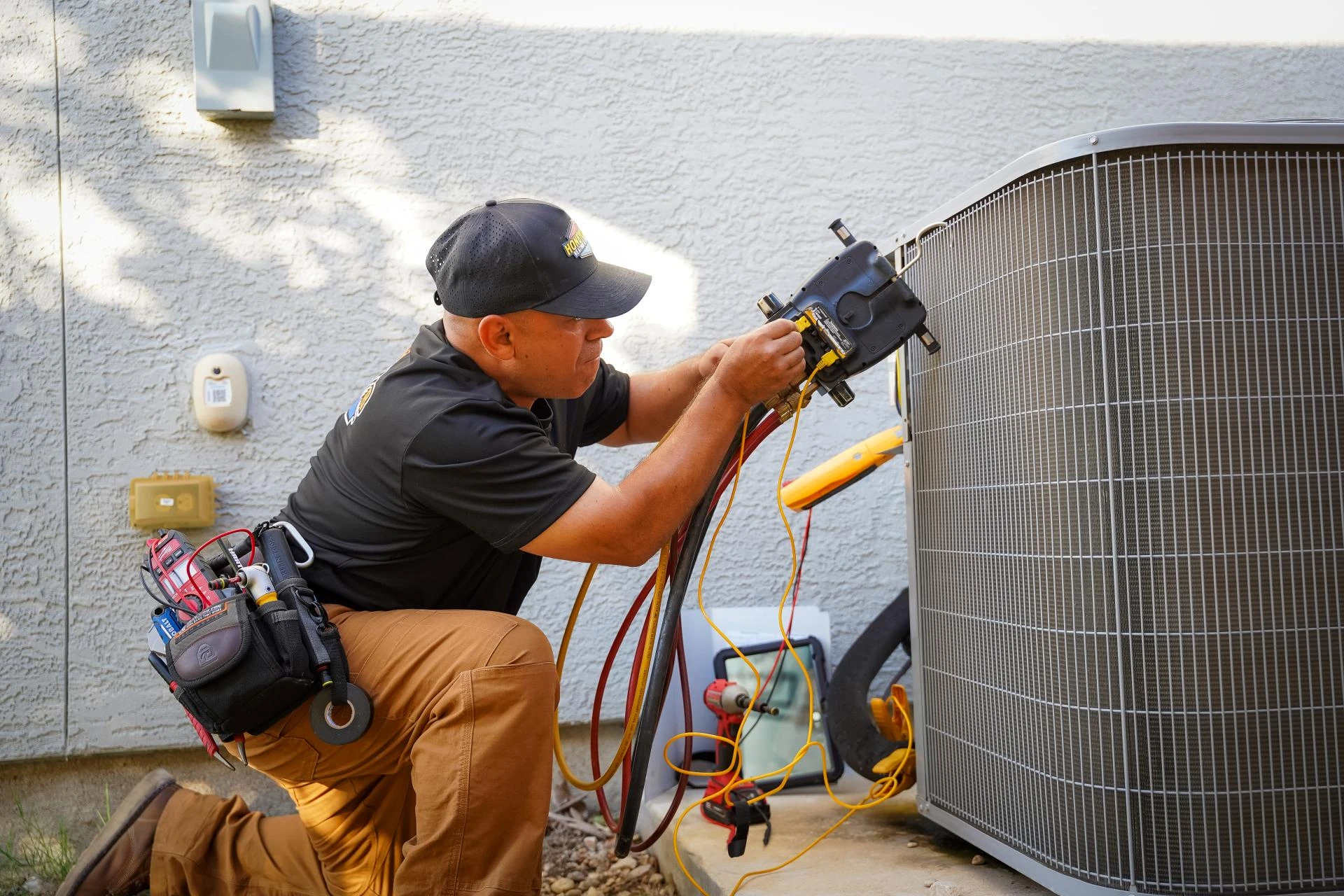
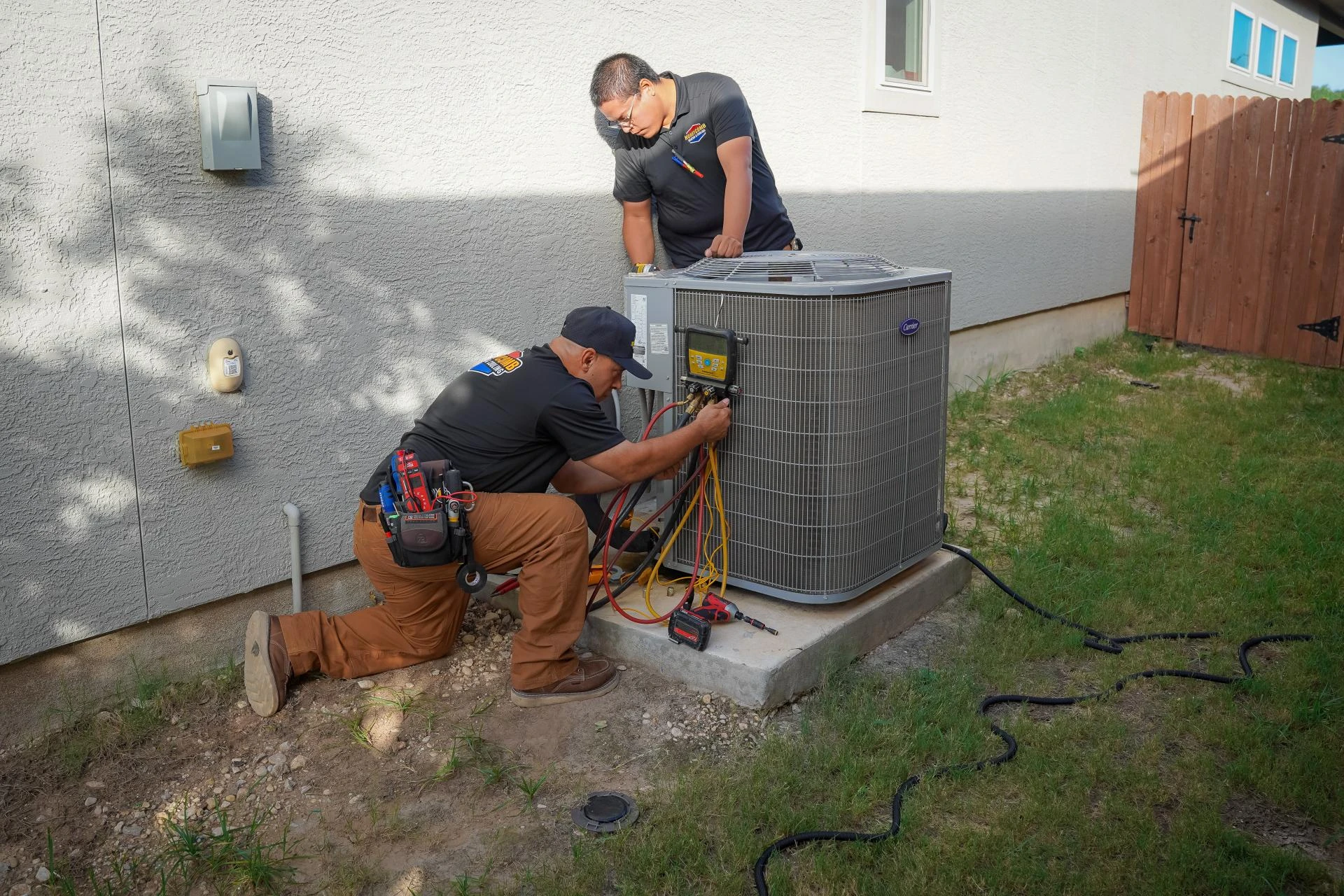
If you want to know if you’ve hired a pro or a "tailgate tech," watch how they handle the refrigerant lines. In our humid San Antonio air, moisture is everywhere. When we braze copper pipes together, we open the system to the atmosphere. If that moisture isn't removed, it mixes with the refrigerant and oil to create a highly corrosive acid.
That acid eats the motor windings from the inside out. To prevent this, a tech must pull a deep vacuum using a digital micron gauge. If they just "purge" the lines with a little bit of gas or run a pump for ten minutes without measuring the vacuum, they are leaving a ticking time bomb inside your walls. Precision isn't just about being neat; it’s about the chemical integrity of the system. In South Texas, you don't get a second chance when the heat hits.
Why Sizing Up is a Recipe for Mold
There’s a common misconception in Texas that bigger is always better. Homeowners often ask me to "go up half a ton" to make sure the house stays extra cold. That is the worst thing you can do for your comfort. An oversized unit will cool your house to 70 degrees in ten minutes and then shut off.
Because it didn't run a full cycle, it never had the chance to pull the humidity out of the air. You end up with a house that is cold but "clammy"—the perfect environment for mold to grow in your vents. We use Manual J load calculations to look at your home’s insulation, window types, and which way your house faces. We want the unit to run long, consistent cycles. That’s how you get that crisp, dry air that makes a San Antonio summer bearable.
Protecting Your Ceiling from the Attic "Waterfall"
Finally, let’s talk about the condensate. Your AC is basically a massive dehumidifier. In July, it can pull ten gallons of water out of the air every day. In most San Antonio homes, that unit is in the attic. If the primary drain line clogs—and in our heat, algae grows fast—that water has to go somewhere.
If your installer didn't install a secondary emergency pan or a float switch that kills the power when water is detected, you’re going to have a waterfall in your hallway. I’ve seen beautiful homes in areas like Stone Oak and Alamo Heights ruined because of a $20 safety switch that was "too much trouble" to install. Accuracy and redundancy are what separate a professional installation from a disaster waiting to happen.






























Sign in to leave a comment.