I’ve lost count of how many times I’ve heard this line:
“It just stopped working out of nowhere.”
No, it didn’t.
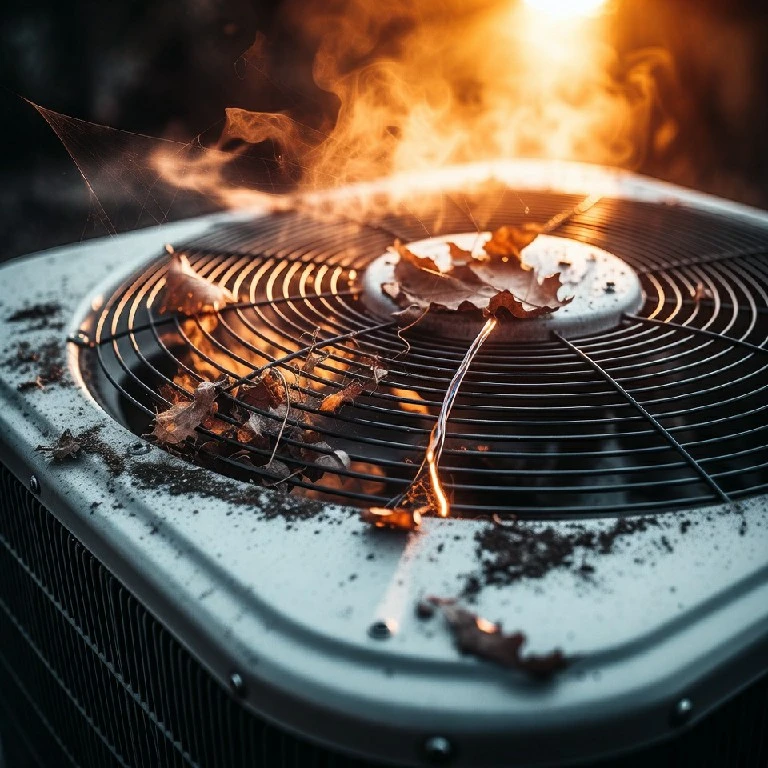
Air conditioners are terrible liars. They complain early, often, and loudly—just not in ways most homeowners want to listen to. By the time a system completely shuts down, it’s usually been asking for help for months.
Weak airflow. Longer run times. Strange noises you learned to ignore. A thermostat that keeps creeping lower because the house won’t cool the way it used to. None of that is random. That’s a system deteriorating in real time.
Here’s the part that frustrates experienced techs: most breakdowns are preventable. Not all—but most. The problem is that people confuse “still running” with “still healthy.” Those are not the same thing.
An AC system is designed to operate within tight tolerances. When a capacitor starts failing, the system doesn’t immediately die—it struggles. When coils get dirty, cooling capacity drops gradually. When refrigerant leaks slowly, the system compensates by running longer. Each of these issues increases stress on components that were never meant to work that hard.
Eventually, something gives. Usually the compressor. Sometimes the blower motor. Either way, that’s when the homeowner says it “randomly stopped.”
From the field perspective, it didn’t stop randomly. It stopped predictably.
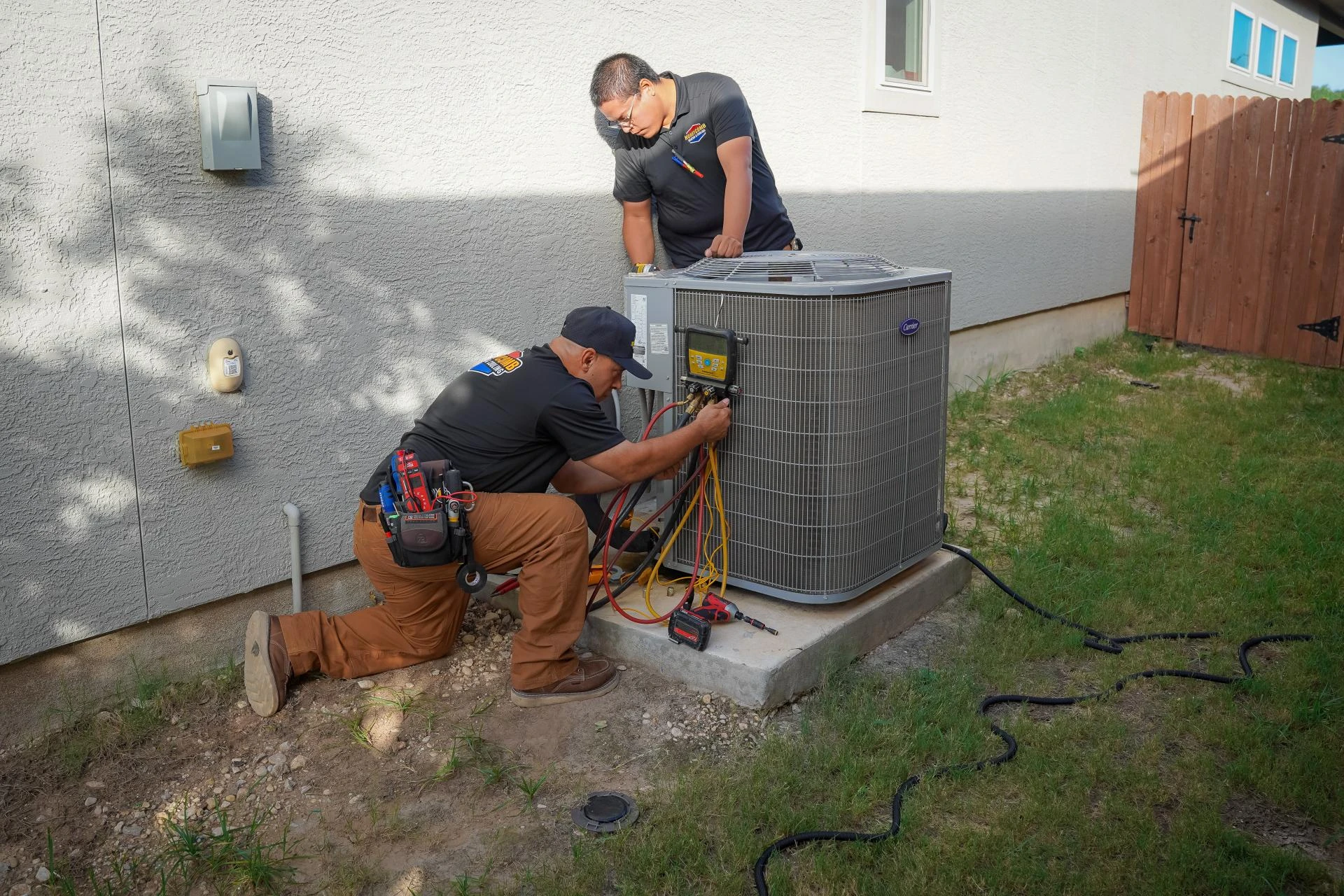
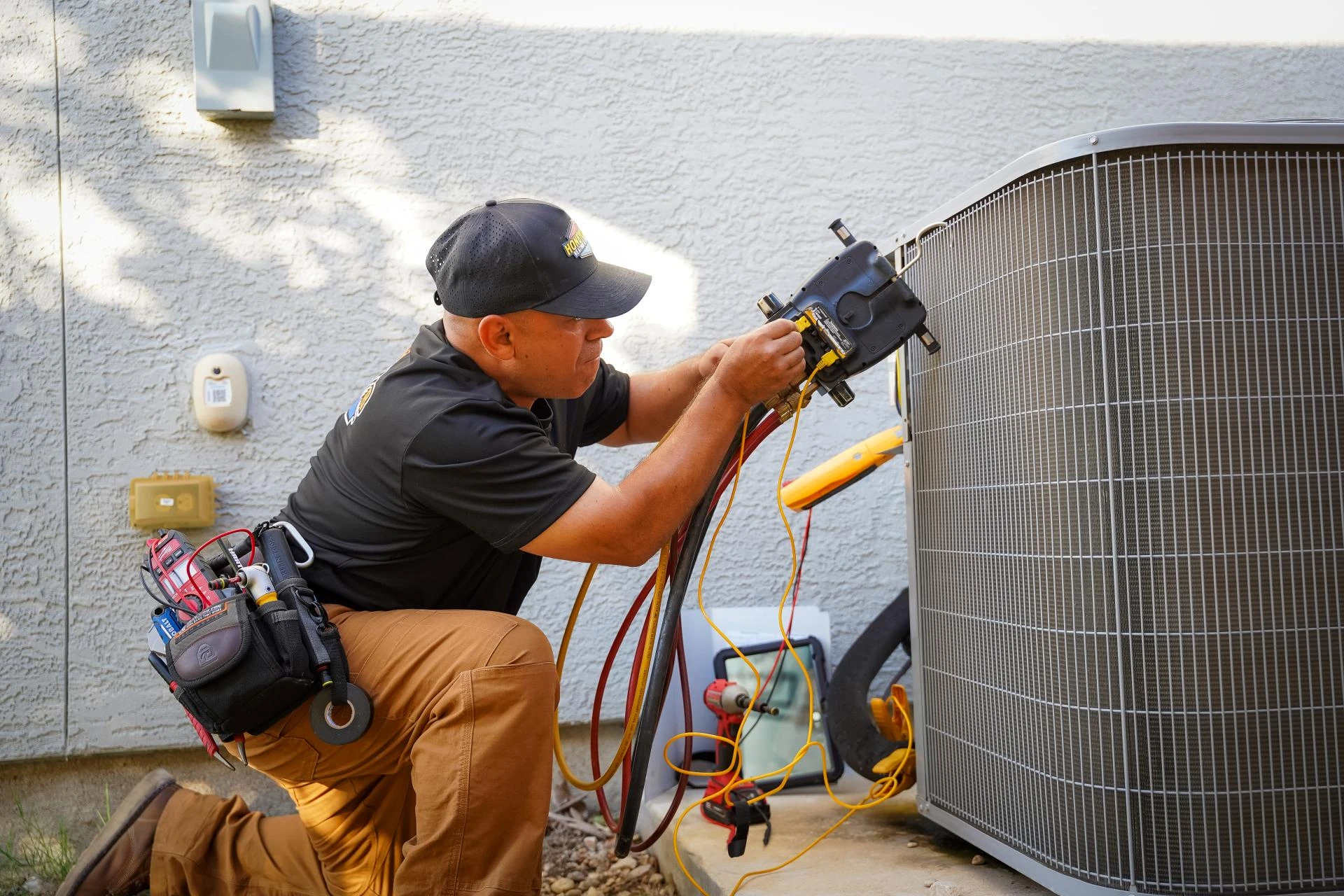
This is why timely AC Repair matters. Not the emergency call after the system is dead—but the earlier visit when the symptoms first show up. A real diagnostic looks at airflow, electrical load, pressures, and heat transfer. It tells you whether the system is aging normally or being pushed toward failure.
I’ve seen homeowners spend years stepping over warning signs because the house was “still livable.” Then the system quits during the hottest week of the year, every company is booked, and suddenly patience turns into panic.
Another misconception is thinking maintenance or service is only about comfort. It’s not. It’s about protecting the most expensive components in the system. Compressors don’t fail because they’re fragile. They fail because they’re forced to compensate for other problems until they overheat or electrically burn out.
That’s where professional HVAC Services earn their keep. Not by reacting to chaos, but by spotting inefficiencies early—before they cascade. Fixing a control issue, airflow restriction, or electrical imbalance early is exponentially cheaper than replacing major components later.
There’s also a psychological piece homeowners don’t like admitting. People normalize decline. They get used to the house being a little warmer. They get used to higher bills. They get used to the system sounding “a bit louder than before.” Normalizing dysfunction is how expensive failures sneak up on you.
If your AC truly stopped without warning, that’s rare. Much more often, the warning signs were there—you just didn’t think they mattered yet.
Here’s the takeaway from someone who’s been on both sides of that conversation:
AC systems don’t give up on people. People give up on listening.
The earlier you respond to changes in performance, the more control you keep over cost, timing, and options. The longer you wait, the more the system decides those things for you.
Random failures are comforting stories.
Predictable neglect is the reality.

























Sign in to leave a comment.