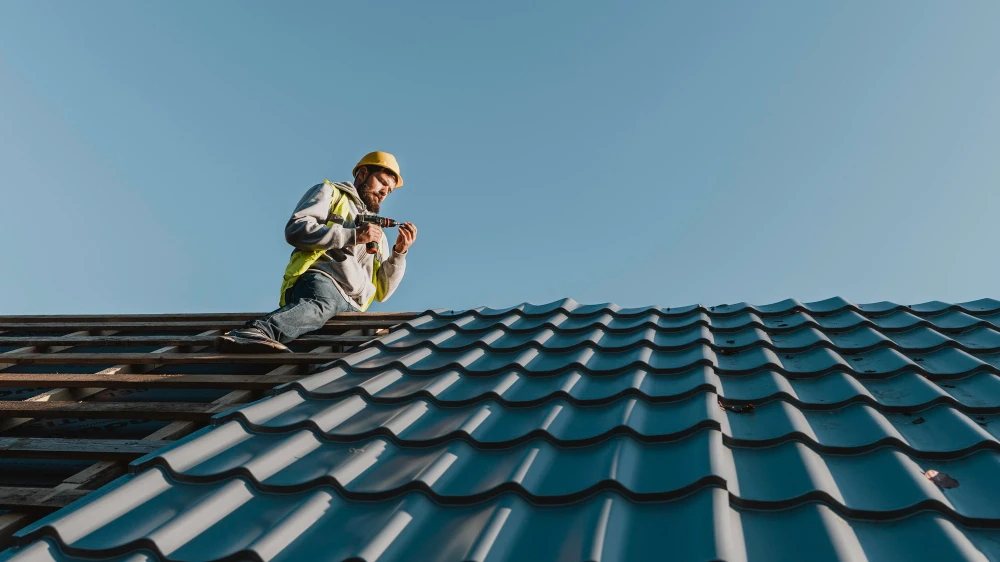

In today’s construction industry, innovation is key to creating buildings that are strong, energyefficient, and costeffective. One such widely popular innovation is the sandwich roofing panel, engineered to deliver superior performance compared to traditional roofing materials, combining strength, insulation, and aesthetic appeal. Let’s explore what sandwich roofing panels are, their benefits, applications, and why they are becoming the goto choice for modern builders.
What Are Sandwich Roofing Panels?
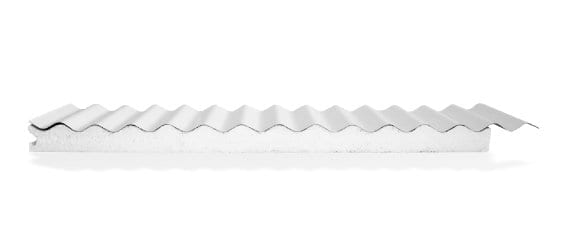
Sandwich roofing panels are composite structures made of three layers:
- Outer layer (top skin): Typically made of galvanised steel, aluminium, or other durable materials that protect against weather and external forces.
- Core layer (insulation): Usually composed of polyurethane foam, polystyrene, or mineral wool, providing thermal and acoustic insulation.
- Inner layer (bottom skin): Often made of steel or aluminium, offering structural support and a clean interior finish.
This “sandwich” design combines the best of both worlds — strength from the outer and inner layers, and insulation from the core.
Key Benefits of Sandwich Roofing Panels
1. Superior Insulation
The core material provides excellent thermal insulation, reducing heat transfer and keeping interiors cooler in summer and warmer in winter. This translates into significant energy savings.
2. Strength and Durability
The steel or aluminium skins make the panels resistant to harsh weather conditions, corrosion, and mechanical stress. They can withstand the heavy loads, making them suitable for industrial and commercial buildings.
3. Lightweight Construction
Despite their strength, sandwich panels are lighter than traditional roofing materials. This reduces the burden on the building structure and simplifies installation.
4. Quick Installation
Sandwich panels are prefabricated and modular, allowing for faster installation. This reduces labour costs and shortens construction timelines.
5. Fire Resistance
Depending on the core material, sandwich panels can offer excellent fire resistance. Mineral wool cores, for example, provide superior protection against fire hazards.
6. Aesthetic Appeal
Available in various colours, finishes, and designs, sandwich panels impact the visual appeal of buildings while maintaining functionality.
Applications of Sandwich Roofing Panels
One of the standout qualities of sandwich roofing panels is their adaptability. Their layered design, combining strength, insulation, and aesthetic flexibility, makes them highly suitable for a wide variety of building types and industries. Here’s how they prove their versatility:
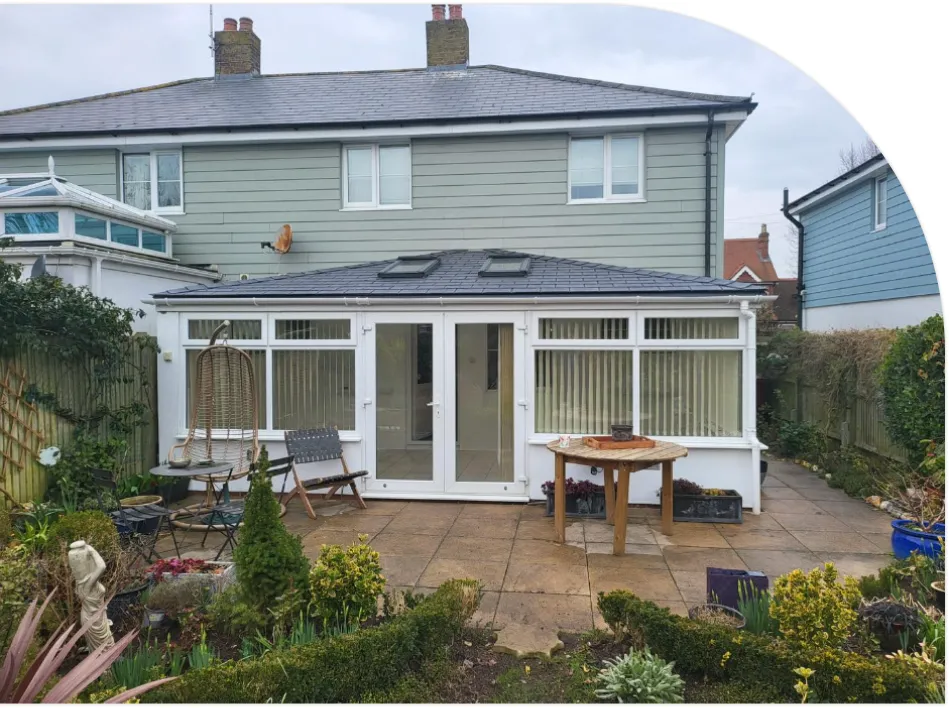
- Residential Homes: Homeowners benefit from the thermal insulation and lightweight structure of sandwich panels. They help to maintain highly comfortable indoor temperatures, reduce energy bills, and add a modern look to houses without compromising durability.
- Commercial Complexes: Offices, shopping centres, and educational institutions often require roofing solutions that balance performance with visual appeal. Sandwich panels deliver sleek finishes, customizable colours, and reliable protection against weather, making them ideal for hightraffic buildings.
- Industrial Facilities: Factories and warehouses demand roofs that can withstand heavy loads and harsh conditions. Sandwich panels provide the strength, fire resistance, and long lifespan needed for largescale industrial projects, ensuring safety and costeffectiveness.
- Cold Storage and Food Processing Units: With their superior thermal insulation, sandwich panels are widely used in cold storage facilities as well as food processing plants. They help maintain strict temperature control, ensuring product safety while reducing energy consumption.
- Agricultural Structures: Barns, sheds, and farm storage units benefit from the durability and weather resistance of sandwich panels. Their lightweight design also makes installation easier in rural or remote areas where the resources may be limited.
- Architectural Projects: Modern architects appreciate the flexibility of sandwich panels in creating unique roof shapes and designs. Their modular nature enables creative applications, allowing innovative structures without compromising strength or efficiency.
Environmental Benefits
Sustainability is a growing priority in the construction sector, and sandwich panels contribute positively:
- Energy efficiency: Reduced heating and cooling needs lower energy consumption.
- Recyclability: Steel and aluminium skins are recyclable, reducing environmental impact.
- Reduced material use: Lightweight panels require fewer supporting structures, conserving resources.
Installation Advantages
Builders appreciate sandwich panels for their ease of use:
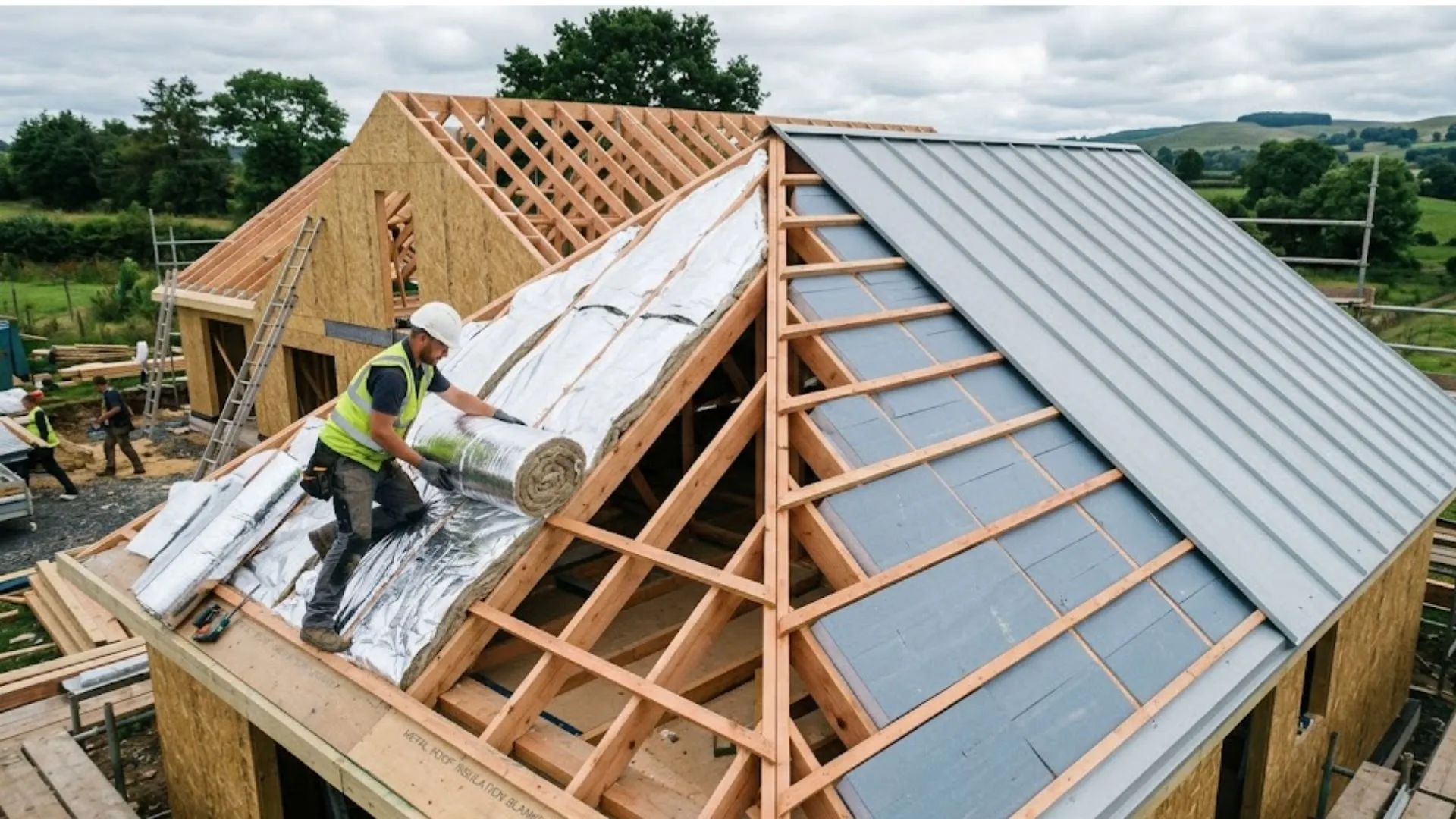
- Panels are prefabricated, reducing onsite work.
- Modular design allows for easy replacement or expansion.
- Lightweight nature simplifies transportation and handling.
- Prefinished surfaces eliminate the need for additional painting or coating.
Challenges and Considerations
While sandwich roofing panels offer numerous benefits, there are considerations to keep in mind:
- Cost: Initial investment may be higher than traditional materials, though longterm savings offset this.
- Core material selection: Choosing the right insulation core (PUF, EPS, or mineral wool) depends on specific building needs.
- Maintenance: Though minimal, periodic checks are necessary to ensure longterm performance.
Conclusion
Sandwich roofing panels represent the future of roofing solutions. With their combination of strength, insulation, fire resistance, and aesthetic appeal, they are far superior to traditional roofing materials. Whether for residential, commercial, or industrial projects, sandwich panels deliver unmatched performance and longterm value.
By investing in sandwich roofing panels, builders and homeowners can achieve energy efficiency, durability, and modern design — all in one solution.





















Sign in to leave a comment.