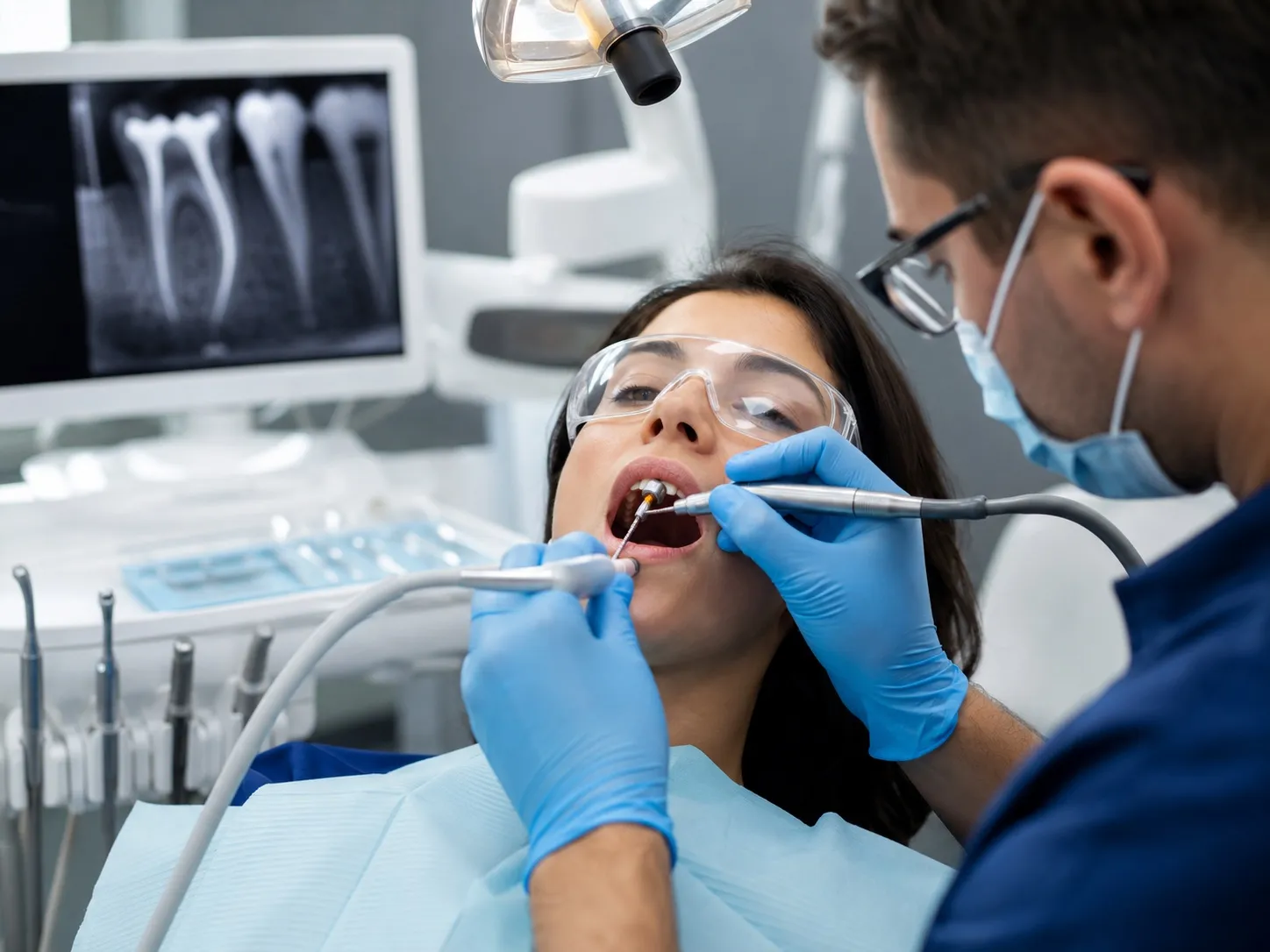


Losing a tooth used to be the default answer whenever decay reached the nerve. That thinking has shifted. Today, saving the natural tooth is usually the first option dentists explore & endodontic therapy is often the reason a tooth doesn't need to come out at all.
Why Saving the Tooth Matters
A natural tooth does more than fill a gap. It supports the jawbone, keeps neighboring teeth from shifting & maintains the bite exactly as it was designed. Once a tooth is pulled, the bone underneath starts to shrink over time, which can affect the shape of the face as well as the stability of nearby teeth. This is one of the biggest reasons dentists lean toward treatment over removal whenever the tooth structure allows it. Quick, convenient dental appointments-find a dentist near me in Whyalla!
When the Nerve Is the Only Problem
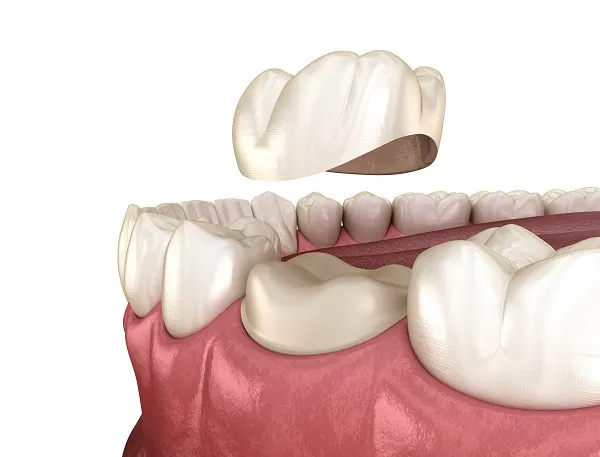
If decay or infection has reached the inner pulp but the outer tooth structure is still strong, root canal treatment is usually the better route. The infected tissue is removed, the canal is cleaned & sealed & the tooth is capped for protection. In cases like this, endodontic therapy resolves the pain as well as infection while keeping the tooth fully functional for years afterward.
When Extraction Makes More Sense
Not every tooth is worth saving. If the crack extends below the gum line, if the root is fractured or if there isn't enough healthy structure left to support a filling or crown, extraction becomes the more practical choice. Severe bone loss around the tooth can also tip the decision toward removal, since even a successful root canal won't fix a weak foundation.
How Dentists Decide
The decision usually comes down to three things: how much healthy tooth remains, how strong the surrounding bone is & whether the crack or damage stays above or below the gum line. X-rays as well as a physical exam typically settle the question quickly. Most dentists will choose to preserve the tooth whenever the odds of long-term success are reasonable.
A Shift Toward Preservation
Modern dentistry increasingly treats extraction as a last option rather than a starting point. Advances in imaging & technique have made endodontic therapy more predictable as well as less invasive than it was years ago, which is part of why more patients are keeping teeth that once would have been pulled without question.
Author Bio:-
Ansley has 12 years of experience in the dental world. You can find his thoughts at professional dental blog.
























Sign in to leave a comment.