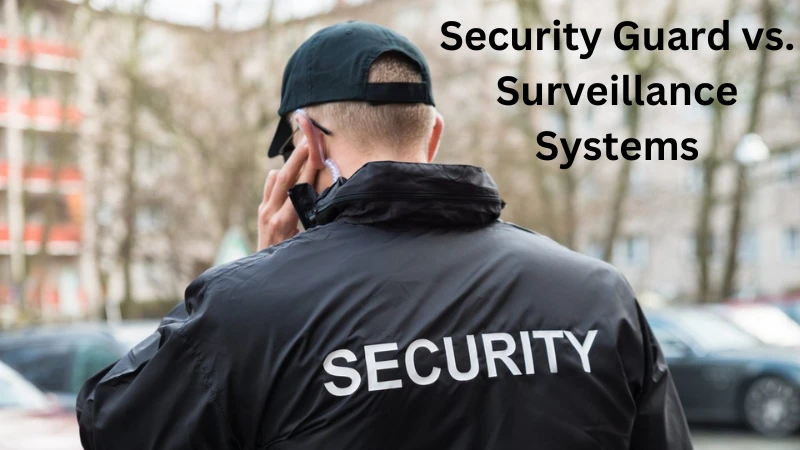

In an increasingly digitized world, the balance between traditional security guards and advanced surveillance systems is a topic of growing importance. Both play pivotal roles in safeguarding assets, property, and individuals, but they come with distinct advantages and limitations.
To make an informed decision on the right security approach, it's crucial to understand the strengths and weaknesses of security guards and surveillance systems and how they can complement each other.
The Role of Security Guards
Deterrence:
One of the most fundamental roles of security guards is deterrence. The mere presence of a uniformed and vigilant security guard can act as a powerful deterrent to potential wrongdoers. Criminals are less likely to target a property or facility that is visibly protected by security personnel. This proactive deterrence can significantly reduce the risk of security breaches and incidents.
Access Control:
Security guards are responsible for controlling access to a property or facility. They ensure that only authorized individuals enter restricted areas, preventing unauthorized personnel from gaining entry. Access control is critical in maintaining the security and confidentiality of sensitive information, valuable assets, and restricted zones.
Surveillance:
Security guards conduct regular patrols to monitor their assigned areas. This surveillance includes inspecting doors, windows, gates, and other potential points of entry. Guards are trained to identify any suspicious activities, unusual behaviors, or security breaches, allowing them to respond swiftly and effectively to potential threats.
Emergency Response:
Security guards are trained to respond quickly and effectively to various emergency situations. Whether it's a fire, medical emergency, or security breach, guards are prepared to take immediate action. Their ability to assess the situation and provide assistance or coordinate with emergency services can be lifesaving.
Conflict Resolution:
Security guards are skilled in conflict resolution techniques. They have the training and experience to de-escalate tense situations, diffuse conflicts, and maintain a calm and controlled environment. This capability is particularly valuable in settings where emotions may run high, such as public events or crowded venues.
Customer Service:
In addition to their security responsibilities, guards often serve as the first point of contact for visitors and employees. They provide assistance, directions, and information, enhancing the overall experience and ensuring that people feel safe and comfortable on the premises.
Property Protection:
Protecting physical assets is a primary duty of security guards. They prevent theft, vandalism, and damage to property. By maintaining a visible presence and conducting thorough inspections, guards deter potential criminals and mitigate risks.
Incident Documentation:
In the event of an incident, security guards are responsible for documenting the details, including the time, location, individuals involved, and actions taken. This documentation can be crucial for investigations, insurance claims, or legal proceedings.
Evacuation Assistance:
During emergencies such as fires, natural disasters, or security threats, security guards play a vital role in facilitating safe evacuations. They guide occupants to designated assembly points and ensure that everyone is accounted for.
Communication:
Effective communication is a cornerstone of a security guard's role. Guards are trained to maintain clear and timely communication with their clients, colleagues, and relevant authorities. This ensures a coordinated response to security incidents.
Adaptability:
Security guards must adapt to changing circumstances and security challenges. They are prepared to handle various situations and tailor their approach to meet specific needs.
Reporting and Feedback:
Security guards provide regular reports to their clients, summarizing their observations, actions taken, and any security recommendations. This feedback helps clients make informed decisions to improve security measures.
The Role of Surveillance Systems
Continuous Monitoring:
Surveillance systems offer uninterrupted, 24/7 monitoring of properties and facilities. Cameras and sensors are strategically placed to cover critical areas, ensuring that every corner of the premises is under constant surveillance. This continuous vigilance minimizes the chances of unauthorized access and security breaches.
Deterrence:
Visible surveillance cameras act as a strong deterrent to potential wrongdoers. The knowledge that they are being watched and recorded discourages criminal activities, reducing the likelihood of theft, vandalism, or other security incidents. The mere presence of surveillance cameras can significantly enhance the security of a location.
Evidence Collection:
Surveillance systems play a crucial role in collecting evidence in the event of security incidents or criminal activities. High-definition cameras capture clear images and video footage that can be used for investigations, legal proceedings, and insurance claims. This evidence can be invaluable in identifying perpetrators and supporting law enforcement efforts.
Remote Monitoring:
Modern surveillance systems offer the convenience of remote monitoring. Users can access live camera feeds and system data from anywhere with an internet connection. This feature allows property owners and security personnel to keep an eye on their premises in real time, even when they are not physically present.
Alarm Systems Integration:
Surveillance systems often integrate with alarm systems, enhancing their effectiveness. When an alarm is triggered, surveillance cameras can automatically start recording, providing valuable visual information about the situation. This integration allows for immediate response and action.
Scalability:
Surveillance systems are highly scalable, making them suitable for a wide range of applications, from small businesses to large industrial complexes. Additional cameras and sensors can be added as needed to accommodate growing security requirements without significant infrastructure changes.
Reduced False Alarms:
Advanced surveillance systems are equipped with intelligent analytics that can distinguish between genuine security threats and false alarms caused by factors like weather or animals. This reduces the likelihood of unnecessary disruptions and costs associated with false alarms.
Access Control:
Surveillance systems often include access control features. This enables property owners to restrict access to specific areas, track the movements of individuals, and provide access credentials as needed. Access control enhances security by preventing unauthorized entry.
Documentation and Compliance:
Surveillance systems help document activities and events on the premises, ensuring compliance with regulations and legal requirements. Businesses can use recorded footage to demonstrate adherence to safety protocols and regulatory standards.
Cost-Effective:
While there is an initial investment in setting up surveillance systems, they can be cost-effective in the long run. Compared to the ongoing expenses of hiring security personnel, surveillance systems require minimal operational costs once installed.
conclusion
In conclusion, there is no one-size-fits-all answer to the security guard vs. surveillance systems debate. The right balance depends on your unique security requirements, budget, and operational considerations.
By carefully assessing your needs and understanding the strengths and limitations of both security guards and surveillance systems, you can develop a comprehensive security strategy that maximizes protection and minimizes risks for your property, assets, or event.























Sign in to leave a comment.