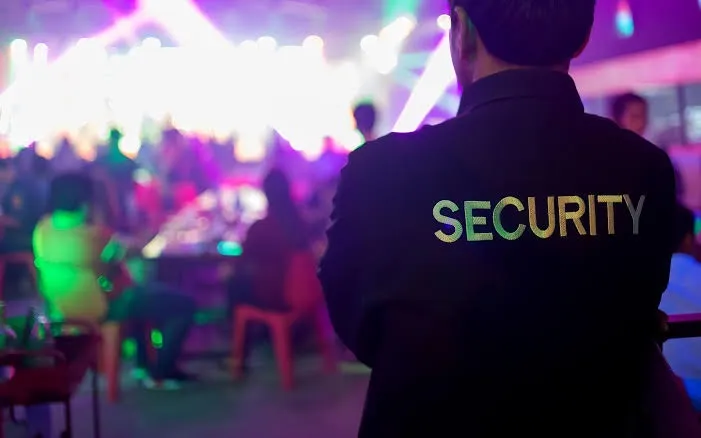

The stage looks ready. The vendor tables are lined up. The parking signs are printed. Volunteers know where to stand. The guests are minutes away.
Then the first small problem shows up.
A side gate is open because a caterer needed quick access. A line starts forming near the entrance, blocking the sidewalk. A guest says they lost a child near the restroom. A speaker’s assistant wants backstage access, but nobody knows who approved the pass. The event has not failed. Not yet.
But this is where event security planning proves its value.
For Ohio organizers, especially those managing public events, corporate gatherings, outdoor fairs, private venues, fundraisers, conferences, and high-traffic community spaces, the biggest risks are often the ones that looked too ordinary to plan for.
Key Takeaways
- Event security planning starts before guests arrive.
- Crowd movement matters as much as crowd size.
- Entrances, parking, weather, and shutdown are often overlooked.
- A clear plan protects guests without ruining the event’s atmosphere.
Why Does Event Trouble Start Before Doors Open?
Most event problems do not begin when something dramatic happens. They begin when the planning is vague.
Who checks credentials? Which doors stay locked? Where do vendors unload? What happens if parking fills early? Who calls emergency services? Who handles a disruptive guest? Who makes the final decision if weather changes the schedule?
If nobody owns those answers, the event team ends up improvising under pressure.
A strong event security checklist gives organizers a practical way to catch gaps before they become visible to guests. It should cover the venue layout, entry points, staffing, communication, guest flow, emergency contacts, restricted areas, parking, and post-event shutdown.
This is not about making an event feel tense. Good event safety is often quiet. Guests simply feel that things are organized, movement is clear, and the people in charge know what they are doing.
What Do Event Organizers Overlook Until It’s Too Late?
The most overlooked risk is movement.
Organizers count people, but they do not always study where people will go. A crowd of 300 can feel calm in an open ballroom and chaotic in a narrow check-in hallway. A small outdoor event can become stressful when guests, vendors, rideshare drivers, and staff all use the same entrance.
That is why crowd control is not just about standing near a crowd. It is about predicting pressure points.
Commonly overlooked areas include:
- Side doors and staff-only entrances
- Parking lots and exterior paths
- Vendor load-in zones
- Restrooms and hallway bottlenecks
- Guest lines near check-in or concessions
- VIP, speaker, or performer access
- Weather decisions for outdoor events
- End-of-event exit flow
- Incident reporting before staff leave
CISA’s venue security guidance emphasizes site-specific physical security assessments for venues and special events, which matters because every location has different vulnerabilities, access points, and operational limits.
How Should Ohio Events Handle Entry and Access?
Access is where order begins.
For Ohio event security, entry planning should answer a simple question: who is allowed where, and how is that confirmed?
A private corporate dinner may need a guest list and discreet check-in. A public outdoor event may need visible entry lanes, bag policies, wristbands, and staff posted near perimeter gaps. A conference may need separate access for speakers, vendors, attendees, media, and employees.
This is where access control becomes more than a locked door. It is a full system of permissions.
A clean access plan should define:
- Which entrances are open.
- Which areas are restricted.
- How guests prove entry.
- How vendors enter and exit.
- How denied guests are redirected.
- How re-entry is handled.
The goal is not to slow everyone down. The goal is to prevent confusion before it reaches the front of the line.
Event security services can help organizers build entry coverage around the actual layout, not a guess drawn from a floor plan.
The 5-Part Lens for Smarter Event Security
A useful event risk assessment does not need to be complicated. It needs to be honest.
Organizers can look at five risk zones:
1. People
Who is attending? Is the event public or private? Are there VIPs, minors, performers, executives, legal professionals, or high-profile guests?
2. Place
What does the venue make easy or difficult? Look at exits, lighting, fencing, parking, blind spots, and restricted spaces.
3. Movement
Where will people gather, wait, enter, exit, or get stuck?
4. Pressure
Will there be alcohol, cash handling, emotional topics, controversial speakers, late-night hours, or large lines?
5. Response
Who responds first, who escalates, and who makes final decisions?
This lens keeps event security planning focused on real conditions instead of generic fears.
What Should Security Cover on Event Day?
Security coverage should match the event’s risk level, not just the expected headcount.
Some events need unarmed security guards at entrances, parking areas, and roaming posts. Others may require closer coordination for VIP movement, controlled backstage areas, or more visible coverage. In higher-risk situations, organizers may consider armed security guards, depending on the venue, local requirements, and threat profile.
The point is fit.
| Overlooked area | Why it matters | Security response | Common mistake |
| Guest entry | Confusion starts fast | Clear access control | Too many open doors |
| Parking areas | Issues happen outside | Parking lot security | Ignoring exterior flow |
| Vendor access | Back doors stay busy | Load-in rules | Treating vendors casually |
| Crowd lines | Bottlenecks create stress | Line monitoring | Counting people, not movement |
| Event shutdown | Risk rises as staff relax | Final sweep and reporting | Planning only for arrival |
As Benjamin Franklin famously said, “By failing to prepare, you are preparing to fail.” That applies perfectly to venue security. A plan does not remove every risk, but it gives the team a better chance to respond calmly.
Why Do Parking Lots Become Event Risk Zones?
Parking is often treated like a logistics issue. It is also a security issue.
Guests may arrive frustrated before they ever reach the venue. Drivers circle. Rideshare vehicles stop in awkward areas. Vendors unload equipment. People linger after closing. Staff may walk to cars late at night with cash, supplies, or personal belongings.
For outdoor events in Cuyahoga County, Summit County, and nearby Ohio communities, exterior planning matters because event activity often spreads beyond the main space.
A basic parking lot security plan should include lighting review, patrol routes, rideshare pickup zones, staff parking, vendor loading areas, and a plan for closing time.
This is where security guards for events can help create a calmer guest experience before anyone reaches the front door.
How Can Teams Handle Emergencies Better?
Emergency planning fails when it lives only in a document.
An emergency action plan should be short enough to use and clear enough to follow. The event team should know who handles medical issues, disruptive guests, missing children, severe weather, power loss, evacuation, or law enforcement contact.
The National Weather Service says lightning kills about 20 people each year in the United States and hundreds more are injured, which is why outdoor events should take weather decisions seriously before the sky looks dangerous.
For Ohio organizers, weather planning may include shelter locations, announcement methods, evacuation routes, cancellation authority, and who monitors conditions.
A practical emergency plan should include:
- Emergency contacts
- Chain of command
- Medical access points
- Severe weather steps
- Evacuation routes
- Communication method
- Incident documentation
- Backup decision-maker
Event security services can support this by keeping response roles clear while organizers focus on the event itself.
The Event Briefing That Stops Confusion Fast
A plan is only useful if the team understands it.
Before doors open, every guard, staff member, volunteer, vendor lead, and organizer should know the basics. Who is in charge? Where are restricted areas? What gets escalated immediately? What language should be used with guests? How are incidents reported?
A 15-minute briefing can prevent an hour of confusion later.
The briefing should cover:
- Event schedule
- Access rules
- Guest flow
- Security posts
- Emergency exits
- Radio or phone protocol
- VIP or speaker movement
- Weather or medical procedures
- End-of-event responsibilities
This is the moment where event security planning becomes real.
Small Event, Same Blind Spots
Small events can still create big pressure.
A private fundraiser may have a sensitive guest list. A legal seminar may involve confidential conversations. A business event may include executives or high-profile individuals. A community event may include children, older adults, vendors, and public access.
Smaller does not always mean simpler.
The mistake is assuming a friendly crowd needs no structure. Even low-risk events benefit from basic event safety planning: controlled entry, clear exits, staff roles, emergency contacts, and after-hours shutdown.
For organizers, the question is not, “Is this event dangerous?” The better question is, “Where would confusion hurt us most?”
The Event Wrap-Up Risk Nobody Plans For
Many event plans stop too early.
Doors open. Guests arrive. The program runs. Photos are taken. Then the energy drops, staff get tired, vendors start packing, and guests leave in waves.
That is when things can get loose.
Cash may move. Equipment may sit unattended. Guests may linger. Parking lots may become crowded. Staff may leave before the final sweep. Incident notes may never be written.
A proper shutdown plan includes exit flow, vendor breakdown, guest clearing, equipment protection, staff escort needs, exterior patrol, and final reporting.
Event security services should not disappear mentally when the main program ends. The closeout is part of the event.
What Should Planners Stop Taking for Granted?
Organizers should stop assuming that friendly events manage themselves.
A warm atmosphere is not a plan. A helpful volunteer is not a security procedure. A beautiful venue is not automatically a safe layout. A camera is not a response team. A guest list is not access control unless someone enforces it.
Better assumptions sound like this:
- If a door exists, someone may use it.
- If people wait, lines may form.
- If alcohol is served, behavior can change.
- If weather shifts, decisions must be fast.
- If nobody documents incidents, lessons disappear.
- If the parking lot is ignored, problems move there.
Strong Ohio event security is not about expecting the worst. It is about refusing to be surprised by the obvious.
Conclusion: Safer Events Start Before Guests Arrive
The best event security is rarely loud. It is visible when needed, discreet when possible, and prepared before pressure rises.
For Ohio organizers, the overlooked details are usually practical: entrances, parking, crowd movement, weather, vendor access, emergency roles, communication, and shutdown. When those pieces are planned early, the event feels smoother, safer, and more professional.
Event security planning gives organizers more than protection. It gives them control, clarity, and confidence when people start arriving.
For professional event protection built around preparation, guest safety, and steady on-site support, contact Safety First Protection Services.
FAQs
1. What makes a good event security plan?
A good plan covers access, crowd flow, parking, emergency roles, staff communication, restricted areas, and post-event shutdown.
2. What are best practices for event safety?
Walk the venue, identify risk points, brief the team, control access, monitor crowds, and document incidents before staff leave.
3. How to plan security for an Ohio event?
Start with the venue layout, expected attendance, entry rules, emergency contacts, parking setup, weather risks, and guard placement.
4. When should organizers hire event security?
Hire security when the event has public access, large crowds, alcohol, VIPs, cash handling, parking concerns, or restricted areas.
5. What is the cost of event security services?
Cost depends on event size, hours, risk level, guard type, location, access needs, and whether coverage includes parking or patrol.






















Sign in to leave a comment.