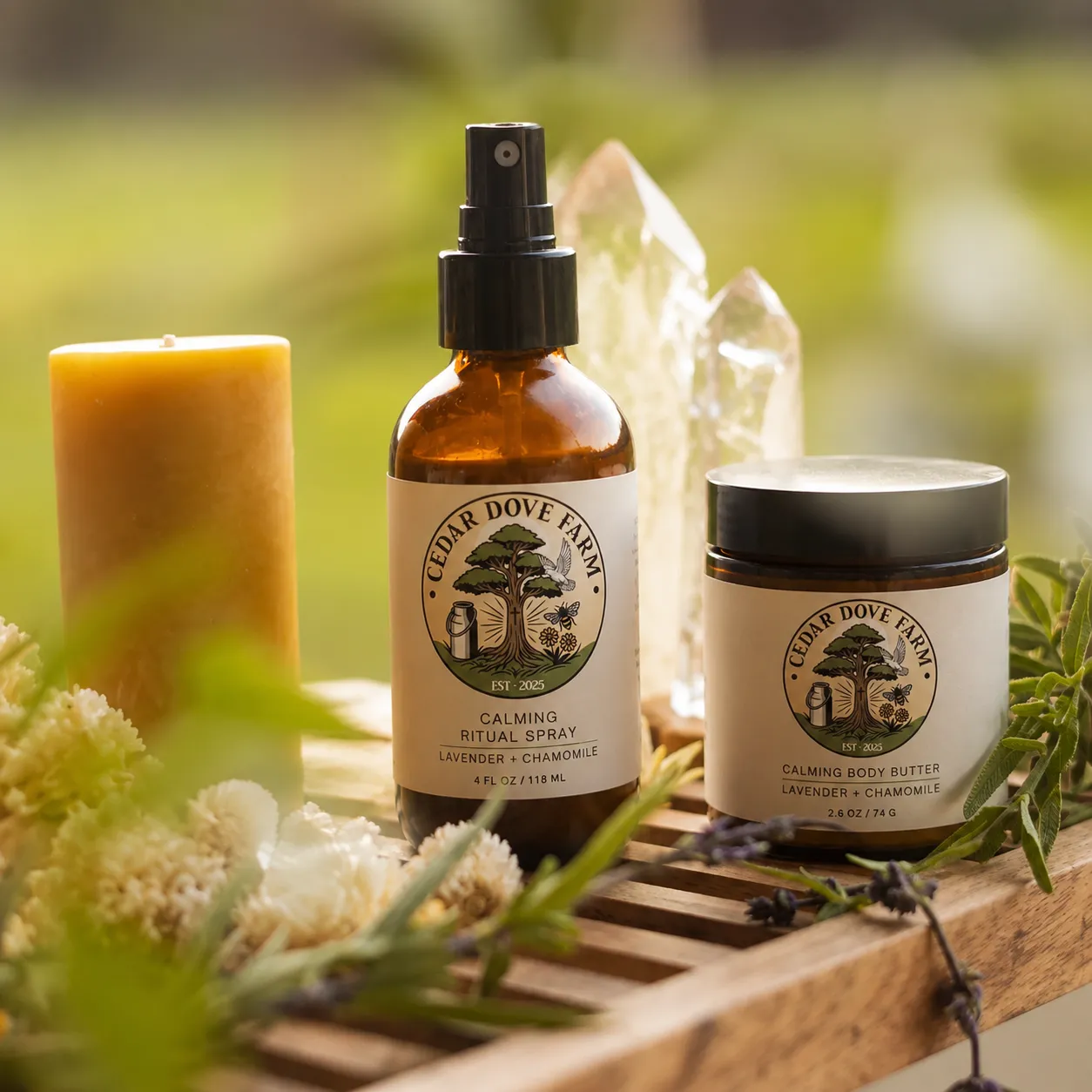

A Saturday morning at the Durant Farmers Market feels different from a skincare aisle under fluorescent lights. Shoppers can slow down, pick up a bar of soap, smell a lotion, ask who made it, and learn why certain ingredients were chosen. That conversation appeals to people who want body care to feel less anonymous and more connected to the hands behind it.
Durant’s seasonal market, officially promoted by Durant Main Street as the Magnolia Farmers Market, brings local growers, bakers, artisans, and makers together in Historic Market Square. The 2027 calendar should be confirmed before visiting because the currently published schedule is for 2026, but the market’s handmade focus makes it a natural place to explore farmers market skincare alongside local goods.
For shoppers with dry, easily bothered, or ingredient-conscious skin, the goal is not to buy whatever looks most rustic. It is to find natural skincare products with clear labels, thoughtful formulas, and a maker willing to explain what is inside.
Key Takeaways
- Look beyond “natural” and read the complete ingredient list.
- Ask makers how products are formulated, stored, and intended to be used.
- Match handmade skincare to the skin concern instead of buying by scent alone.
- Treat the farmers market as a place to learn before filling the bag.
Why Does Farmers Market Skincare Feel More Personal?
Shopping locally gives buyers access to the person behind the product. At a market table, a shopper can ask why a soap contains a certain clay, whether a lotion is scented, or how a body butter should be stored.
That matters because labels such as natural, clean, botanical, and handmade do not tell the whole story. A beautiful package can still be a poor fit, while a simple formula may become an everyday favorite.
Local markets also make the production story easier to see. USDA data show that small family farms sold more than $2.4 billion in food directly to consumers in 2023 through channels that include farmers markets, farm stands, and community-supported agriculture. That figure covers food rather than skincare, but it shows how important direct-to-consumer markets have become for small farm businesses.
Wendell Berry captured the spirit behind that local connection in a simple line:
“The Earth is what we all have in common.”
Trust the Formula, Not the Packaging
A farmers market can create trust, but trust should be supported by information. FDA guidance requires cosmetics sold to consumers to follow labeling rules, including ingredient declarations in many retail situations. Front-label claims should never matter more than the complete label.
A shopper comparing natural soap, lotion, or body butter should remember that familiar ingredients are not automatically suitable for everyone. Fragrance, botanicals, essential oils, and colorants can feel comfortable for one person and irritating for another.
A good maker should explain what the product is for, how to use it, and what to expect. Clear answers beat vague promises about purity or perfection.
Which Natural Skincare Products Are Worth Browsing?
The most useful market products solve simple body-care needs without forcing a complicated routine.
Goat milk soap is worth browsing when the shopper wants a handcrafted cleanser with a creamy feel and a clear ingredient story. The finished formula still matters, including fragrance, colorants, oils, and botanicals.
A well-made lotion can be useful for hands, arms, and other areas that feel dry after washing or weather exposure. Shoppers should notice texture as much as the ingredient list. A product can contain appealing ingredients and still feel too heavy or too light for a particular routine.
Body butter is generally richer and may suit people who prefer concentrated moisture for rougher or drier areas. Because formulas vary, buyers should ask how much to use and how to store it.
Bath bombs and bubble bars also deserve a label check for fragrance, colorants, oils, and residue.
The best market basket is built around products the shopper understands and will actually use.
What Makes Goat Milk Different at the Market?
Goat milk skincare has a natural connection to farmers markets because the ingredient can come directly from a working dairy herd rather than an anonymous supply chain. That farm-to-product story gives shoppers something tangible to ask about: where the milk comes from, how the animals are cared for, and how the milk becomes part of the finished formula.
At a farm-connected skincare booth, shoppers can ask where the milk comes from, whether it is fresh or powdered, and how it is incorporated into soaps, lotions, or bath products. Those answers make the ingredient story easier to understand.
What matters for shoppers is not the romance of goat milk alone. The useful question is how it works within the formula. Oils, butters, fragrance, colorants, and other additions still shape the finished product and the way skin feels after use.
| Product to browse | What to notice | Useful market question | Common buying mistake |
| Goat milk soap | Oils, scent, colorants, cure and intended use | “What makes this bar different from your others?” | Choosing only by fragrance |
| Lotion | Texture, scent, packaging and directions | “How much should I use?” | Assuming richer always means better |
| Body butter | Thickness, oils, butters and storage | “Where should I keep this?” | Buying more than can be used |
| Bath products | Fragrance, dyes, oils and residue | “What kind of bath experience is this made for?” | Choosing only for color |
| Handmade skincare gifts | Product variety and recipient needs | “Which items are easiest for a first-time user?” | Building an overly complicated set |
Smart Questions Lead to Better Skincare Choices
A market conversation does not need to become an interrogation. Four questions reveal plenty:
- What is this product designed to do? A clear answer should connect the formula to a straightforward purpose such as cleansing, moisturizing, or bathing.
- What are the main ingredients? This helps the shopper understand what gives the product its texture, scent, color, or feel.
- How should it be stored and used? Small-batch products may have specific directions that help preserve quality.
- Is there anything a sensitive user should notice? Fragrance, essential oils, botanicals, or colorants may deserve extra attention depending on the person.
The goal is not the shortest label. It is a formula whose ingredients, purpose, and directions make sense together.
The FARM Test Makes Choices Easier
Before buying farmers market skincare, shoppers can use a simple FARM test.
F — Fit: Does the product match the actual need: cleansing, moisture, richer body care, or a relaxing bath?
A — Ask: Can the maker clearly explain the ingredients, intended use, and storage?
R — Read: Does the label provide enough information to make a comfortable decision?
M — Make room: Will this product replace or improve something in the routine, or will it become another unused jar?
This framework keeps shopping enjoyable without turning it into guesswork and lets small makers stand out through transparency, craftsmanship, and practical formulas.
Natural Skincare Still Needs a Closer Look
A common market mistake is assuming that local, natural, or handmade automatically means gentle. It does not.
FDA guidance makes the same basic distinction: natural origin is not a guarantee of safety, and cosmetics still need to be safe under their labeled or customary conditions of use. A responsible buyer should apply the same standards to a farm-made lotion that they would to a store-bought one.
Do this: appreciate the story, ask questions, and read the label.
Not that: assume a botanical ingredient cannot irritate skin because it came from a plant.
Do this: introduce unfamiliar handmade skincare gradually.
Not that: replace an entire routine in one market trip.
The market should increase transparency, not lower standards.
Find the Right Match for Dry, Sensitive Skin
For someone shopping for skincare for dry skin, comfort should guide the decision. A cleanser that leaves skin feeling tight may not be the right everyday choice, even if the ingredient story sounds appealing. A lotion or butter should feel usable enough that the person will reach for it consistently.
People with easily irritated skin should pay particular attention to fragrance, essential oils, botanical extracts, and colorants. FDA lists fragrances, preservatives, dyes, metals, and natural rubber among common cosmetic allergen categories.
The simplest approach is to choose one product for one need. Someone seeking gentler cleansing might start with goat milk soap. Someone focused on moisture might compare lotion with body butter. That makes it easier to notice how the skin responds without introducing several variables at once.
What Does a Thoughtful Market Purchase Look Like?
Picture a shopper arriving at the Durant Farmers Market looking for something gentler for dry-feeling hands. One table has several soaps, lotions, and body butter options, all with appealing scents and handmade packaging.
Instead of buying several products at once, the shopper asks what each one is designed to do, reads the ingredient labels, and compares a goat milk soap with a richer moisturizer. The goal is simple: choose one product that fits the immediate need rather than rebuilding the entire routine in a single visit.
That kind of decision reflects what smart farmers market shopping should feel like—personal, informed, and guided by real needs rather than impulse.
Conclusion: Bring the Market Home With You
The best natural skincare products at the Durant Farmers Market are not necessarily the most colorful, fragrant, expensive, or heavily promoted. They are the products that combine a clear purpose, transparent ingredients, thoughtful craftsmanship, and a routine fit that makes sense for the person buying them.
A farmers market adds something online shopping cannot fully reproduce: conversation. Shoppers can ask questions, compare textures and scents, and understand the connection between a local maker and the finished product.
For anyone planning a 2027 visit, the smartest first step is to confirm the current Magnolia Farmers Market schedule with Durant Main Street, since dates and vendor participation can change by season. The market is held in Historic Market Square in downtown Durant and is built around local growers, makers, and handmade goods.
For shoppers ready to turn that local connection into everyday body care, Cedar Dove Farm brings farm-fresh goat milk into handcrafted soaps, lotions, body butters, and bath products made in small batches in Oklahoma. Its market presence gives visitors the chance to meet the maker, ask questions, and explore a farm-to-skin approach before deciding what deserves a place in their routine.
Five Quick Questions Before Market Day
What Makes Good Natural Skincare Products at a Farmers Market?
Good products combine transparent labeling, a clear purpose, sensible directions, and ingredients that fit the intended use instead of relying on broad natural or clean claims.
What Are the Best Practices for Buying Handmade Skincare?
Ask what the product does, read the label, start with one new item, and choose based on skin needs rather than scent, packaging, or trends alone.
How Should Someone Choose Skincare for Dry Skin?
Start with the main problem. Compare gentler cleansing options for tight-feeling skin and richer moisturizers for areas that need more lasting comfort.
Are Goat Milk Skincare Products Worth Buying Locally?
They can be, especially for shoppers who value ingredient traceability, small-batch craftsmanship, and the opportunity to ask the maker directly how the product is formulated.
What Should First-Time Durant Farmers Market Shoppers Know?
Check the current Durant Main Street schedule before visiting, bring questions for makers, and avoid feeling pressured to build an entire skincare routine in one trip.






























Sign in to leave a comment.