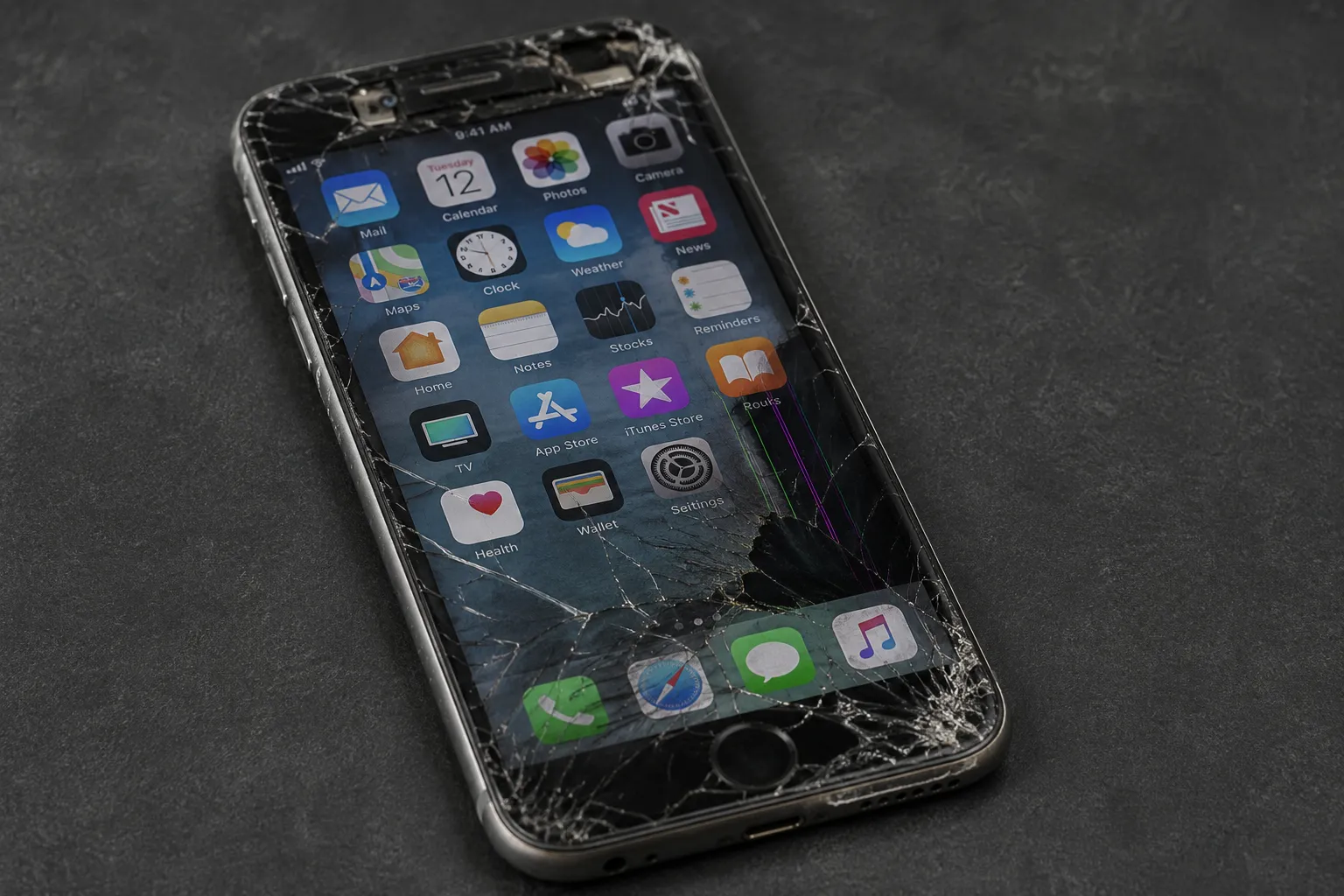

There's a particular kind of guilt that comes with owning a broken phone you haven't dealt with. It sits in a drawer, screen cracked or battery dead, and every so often you notice it and think "I really should do something about that." Most people don't throw it away, because it still feels like it's worth something. They just don't know what to do with it.
That hesitation is exactly why so many UK households have at least one damaged iPhone gathering dust. The good news is that you don't need a working phone to get some money back for it. You can sell broken iPhone devices in the UK through several routes, and in most cases it's a far simpler process than people expect. This guide covers what buyers will actually accept, what affects the price, and how to go about it without running into the usual pitfalls.
Can You Still Sell a Broken iPhone?
Yes, in nearly every case. The market for damaged and faulty phones is bigger than most people realise, partly because there's a whole industry built around refurbishing and reselling parts. A phone that's unusable to you might still have several working components worth someone else's time.
Here's a rough breakdown of what's typically accepted:
Cracked screens. This is the most common fault by far, and it's rarely a dealbreaker. Screens are one of the easiest and cheapest parts to replace, so buyers factor this into their offer rather than rejecting the phone outright.
Battery issues. A phone that won't hold charge, switches off unexpectedly, or has a battery health percentage below 80% is still sellable. Batteries are a straightforward swap for anyone refurbishing the device.
Water damage. This one's more variable. If the phone still powers on, it's usually worth something. If it's completely dead, some recycling services will still take it for parts or raw materials, even if a private buyer wouldn't touch it.
Faulty buttons. Home buttons, volume rockers, and power buttons that stick or don't respond are common issues on older models and rarely stop a phone from being accepted.
Software faults. Phones stuck in recovery mode, boot loops, or with corrupted iOS installations are trickier to sell privately, since most buyers can't test them properly, but recycling and trade-in services are generally set up to handle this.
Why People Choose to Sell Broken iPhone Instead of Keeping It
There's rarely a single reason someone decides to sell broken iPhone devices rather than leaving them in a drawer forever. A few reasons tend to come up again and again.
Some people simply want the drawer space back and would rather have a small amount of cash than a phone they'll never use again. Others are surprised to learn a damaged phone still has value at all, and once they realise that, the decision becomes easy. There's also a growing awareness around e-waste, and a fair number of people would rather see their old phone recycled properly than sitting unused indefinitely, or worse, thrown away.
None of these reasons need to be dramatic. It's usually just a case of finally getting round to something that's been on the to-do list for months.
What Determines the Value of a Broken iPhone?
Even with damage, a broken iPhone's value isn't random. A few consistent factors decide the price.
Model. Newer models hold their value even when damaged, because the parts are worth more and demand for refurbished units is higher. A broken iPhone 14 will fetch considerably more than a broken iPhone 8, even with similar damage.
Storage. Higher storage capacity adds value regardless of condition, since it affects what the phone (or its parts) can eventually be resold for.
Physical condition. Beyond the main fault, buyers look at the overall state of the phone. A cracked screen on an otherwise pristine phone is valued differently to a cracked screen on a phone that's also dented and scratched.
Functionality. A phone that still turns on, charges, and can be tested is worth more than one that's completely dead, since it's easier for a buyer to confirm what they're getting.
Market demand. Some models are simply in higher demand for parts or refurbishment. Popular models with strong resale histories, like the Pro and Pro Max ranges, tend to hold broken iPhone value better than less common variants.
Common Types of iPhone Damage and Their Impact on Value
Not all damage affects the price equally, and it helps to know roughly where you stand before getting a quote.
A cracked screen typically has a moderate impact, since replacement is cheap and quick. Battery problems tend to have a smaller impact than people expect, again because replacement is routine. Water damage has the biggest impact, particularly if the phone no longer powers on, since testing and repair become far more uncertain. Cosmetic damage like scratches or a dented frame usually has a smaller effect than functional damage, but it still gets factored into the final offer.
Knowing this helps set realistic expectations. A phone with a cracked screen but a healthy battery and working camera is in a much stronger position than one with several faults stacked together.
Preparing a Broken iPhone Before Selling
Even a damaged phone should be prepared properly before it goes anywhere. Skipping this step is one of the most common reasons people run into problems.
Backup data, if the phone still switches on and functions well enough to do so. Photos, contacts, and messages can usually be saved via iCloud or a direct backup to a computer.
Remove your iCloud account. Go to Settings, tap your name, and sign out. If the screen is too damaged to see clearly, this can sometimes be done via a computer using Find My iPhone through iCloud.com.
Factory reset, if possible, through Settings > General > Transfer or Reset iPhone > Erase All Content and Settings. This clears personal data and accounts from the device.
Remove personal information more broadly — check for cases, SIM cards, and memory-related accessories that might still be attached, and make sure nothing personal is left inside the phone or its packaging.
If the phone won't turn on at all, some of these steps aren't possible, and that's fine. Recycling services are used to receiving phones in this state and have their own processes for handling data securely.
Different Ways to Sell a Broken iPhone in the UK
There are several realistic routes to sell broken iPhone devices in the UK, and the right one depends on how much effort you want to put in.
Trade-in services offered by networks and retailers will often still accept damaged phones, though the offer will reflect the fault. These tend to be quick and straightforward.
Recycling companies are usually the most flexible option for genuinely broken devices, including phones that don't power on at all. Some UK consumers use services such as RecyclePro for this, since they're specifically set up to handle damaged and non-working phones rather than just phones in good condition.
Online marketplaces like eBay allow you to list a broken phone honestly and let buyers who specifically want damaged units for parts or repair make an offer. This can bring in more money, but it takes longer and requires more description work upfront.
Local buyers, found through platforms like Facebook Marketplace or Gumtree, sometimes want broken phones for repair practice or parts. This route works best if you're comfortable meeting someone in person.
Risks of Selling a Damaged Phone Privately
Private sales of broken phones carry a few extra risks compared to selling a working device.
Buyers may dispute the condition after receiving the phone, particularly with faults that are hard to describe accurately in a listing, like intermittent software issues. There's also more room for disagreement over price once a buyer inspects the phone in person, since damage is often more visible or more extensive than photos suggest. And because broken phones are harder to test fully before sale, there's a higher chance of a dispute over whether a fault was disclosed properly.
None of this means private sales are a bad idea, but it does mean being extra clear and honest in any listing, and keeping records of the phone's condition before it changes hands.
How Phone Recycling Services Evaluate Broken Devices
Recycling and trade-in services follow a fairly consistent process when it comes to damaged phones.
You typically start by describing the phone's model, storage, and the specific fault, either through an online form or an app. This generates an initial quote. The phone is then posted off, usually with a prepaid envelope or box provided by the service, so there's no cost involved in sending it.
Once it arrives, the phone is inspected against what was described. If the damage matches, the original quote usually stands. If it's worse than expected, most services will send a revised offer before finalising anything, giving you the choice to accept or have the phone sent back. Payment, once agreed, is typically made by bank transfer within a few days.
Environmental Benefits of Recycling Broken Smartphones
Beyond the financial side, there's a genuine environmental case for choosing to recycle old iPhone devices rather than binning them.
Phones contain small quantities of gold, silver, copper, and rare earth elements, all of which can be recovered and reused rather than mined again. A broken phone that goes to landfill wastes these materials entirely, whereas one that's recycled properly gets stripped down and reused in new devices or other products.
There's also the wider issue of phone recycling UK infrastructure needing consistent supply to function well. Every phone that gets recycled rather than binned supports that system, and reduces the overall demand for newly mined materials.
Common Mistakes People Make When Selling Damaged Phones
A handful of mistakes come up repeatedly with damaged phone sales, and most are easy to avoid.
Not backing up data before attempting a reset is one of the most common, particularly with phones that are on their way out and might not last much longer. Overestimating the value of the damage is another; a cracked screen genuinely doesn't reduce value as much as people assume, given how cheap and common screen replacements are. Being vague about the fault in a listing tends to cause disputes later, so specific, honest descriptions work better than general ones. And accepting cash from an unfamiliar buyer without any record of the transaction leaves no protection if something goes wrong afterwards.
How to Choose the Right Option for Your Device
The right choice depends on the phone's condition and what matters most to you.
If the phone still works reasonably well despite the damage, a trade-in service or online marketplace listing will likely bring in a fair price with relatively little hassle. If the phone is more seriously damaged, doesn't power on, or has multiple faults, a recycling service is usually the more practical route, since they're set up specifically to handle non-working devices.
If speed matters most, trade-in and recycling services tend to be quicker overall, since there's no need to find and negotiate with an individual buyer. If getting the highest possible price matters more than speed, a carefully written marketplace listing, aimed at buyers specifically looking for parts or repair projects, can sometimes do better.
Whichever route you choose, the phone doesn't need to sit in a drawer any longer. Whether it's through a trade-in service, a recycling company, or a private sale, there's a practical way to sell broken iPhone devices in almost any condition, and it's usually far less complicated than people expect once they actually get started.
Frequently Asked Questions
Can I sell a broken iPhone with a cracked screen?
Yes, you can sell a broken iPhone with a cracked screen. This is one of the most common faults accepted by buyers, and while it may lower the offer slightly compared to a fully functional phone, it rarely prevents a sale.
What should I do before selling my broken iPhone?
Before selling your broken iPhone, make sure to back up any data if possible, sign out of your iCloud account, and perform a factory reset to clear personal information. These steps help protect your privacy and prepare the phone for its new owner.
How much can I expect to get for a broken iPhone?
The value of a broken iPhone varies based on the model, storage capacity, and specific damage. Generally, newer models with minor issues, such as a cracked screen, fetch a higher price than older models with multiple faults.
Can I sell a water-damaged iPhone?
In most cases, yes. If the water-damaged iPhone still powers on, it may attract interest from private buyers, but if it's completely dead, recycling services are usually the best option for selling it.
What are the best options for selling a broken iPhone in the UK?
You can sell a broken iPhone through trade-in services, recycling companies, or online marketplaces. Trade-in services are quick and straightforward, while recycling companies handle damaged devices well. Online marketplaces can yield a better price but require more effort.
Do I need to remove my Apple ID before selling my iPhone?
Yes, it is essential to remove your Apple ID by signing out of iCloud and disabling Activation Lock before selling. A phone linked to your Apple ID cannot be used or resold properly by anyone else.
What common mistakes should I avoid when selling a damaged phone?
Common mistakes include not backing up data, being vague about the phone's condition in listings, and overestimating its value based on damage. It's important to provide clear descriptions and keep records of the transaction to avoid disputes.
What impacts the value of my broken iPhone?
The value of a broken iPhone is influenced by several factors, including the model, storage capacity, overall physical condition, functionality, and market demand for that specific device. For instance, newer models with minor damage typically hold more value.




























Sign in to leave a comment.