

In today’s competitive housing market, it’s not enough to just have a real estate website — it needs to be discoverable, fast, and tailored for both search engines and your clients. If your site isn’t ranking high in Google, you’re missing out on free, high-quality leads every day.
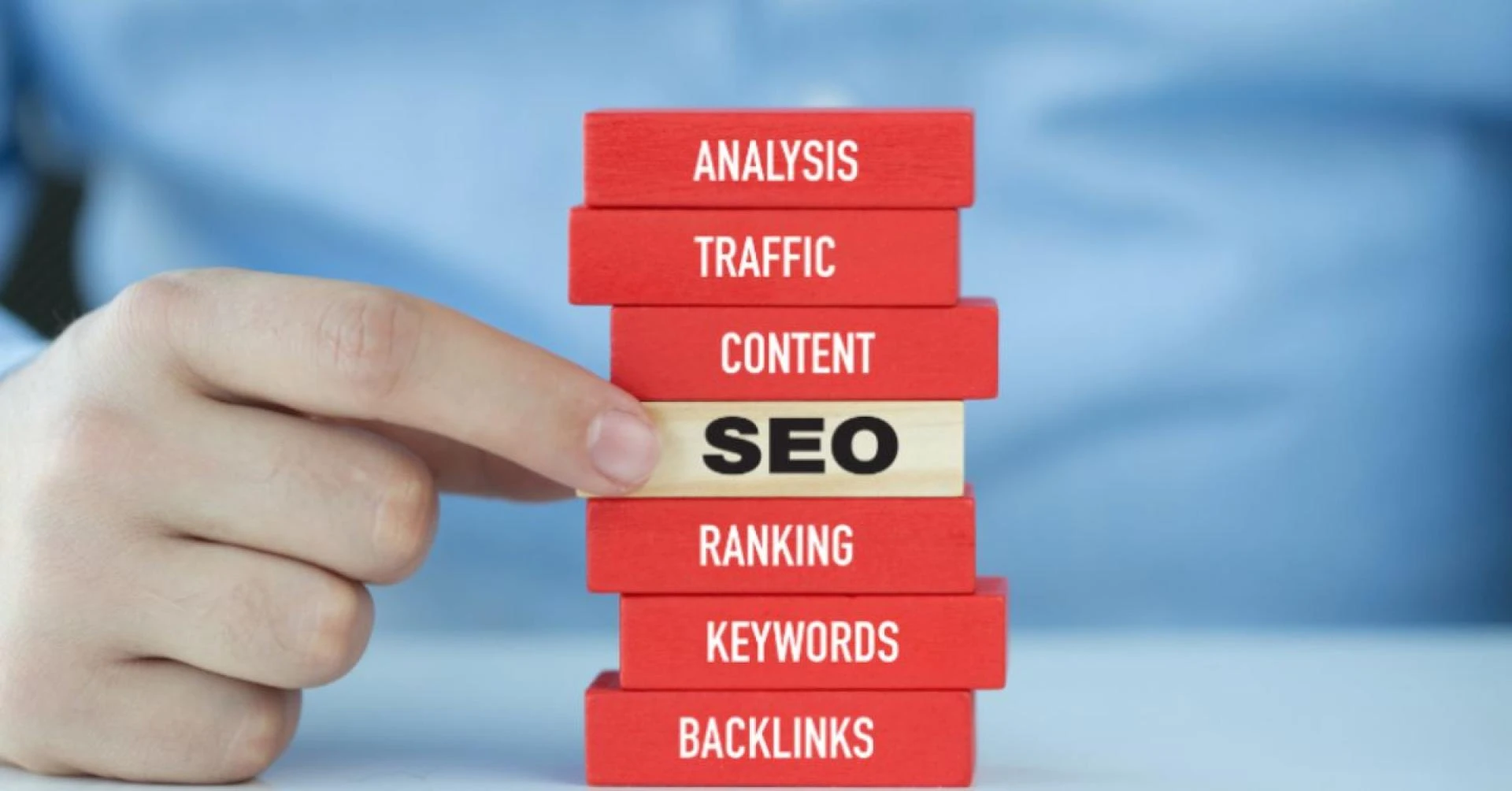
Search Engine Optimization (SEO) is the key to improving visibility, gaining trust, and converting site visitors into buyers and sellers. Let’s dive into real estate SEO tips that will help your website rank higher and perform better in 2025.
1. Target the Right Real Estate Keywords
Keyword research is foundational. You need to know what your potential clients are typing into Google — and how to meet their search intent.
Tips:
- Focus on local keywords like “homes for sale in Scottsdale” or “Miami waterfront condos”
- Use long-tail phrases: “how to sell a house fast in Atlanta” has lower competition and higher conversion potential
- Don’t forget keywords for both buyers and sellers
Use tools like Google Keyword Planner, Ubersuggest, or SEMrush to identify search terms and questions your audience cares about.
2. Optimize Your Website for Local SEO
Real estate is local — and so is SEO. Boost your local presence by:
- Creating a Google Business Profile and updating it regularly
- Adding your name, address, and phone number (NAP) consistently across all listings
- Building local landing pages for each neighborhood or city you serve
Local SEO helps your website appear in map packs and “near me” searches, which drive highly targeted traffic.
3. Create High-Value, SEO-Optimized Content
Content is the fuel that powers search engine rankings. Google wants to rank websites that provide value and demonstrate expertise.
Types of content to publish:
- Blog posts answering common questions (“Should I buy or rent in 2025?”)
- Neighborhood guides with local attractions and school info
- Buyer and seller tips tailored to your market
- Market update blogs and video tours
Be sure to naturally include your target keywords, internal links to relevant pages, and strong meta descriptions.
👉 Check out our guide on how content marketing and AI are transforming real estate SEO.
4. Improve Page Load Speed
Page speed is a major ranking factor — and a slow site can drive visitors away.
Improve speed by:
- Compressing images and videos
- Minimizing code and eliminating unnecessary plugins
- Using a fast, mobile-optimized theme
Use tools like Google PageSpeed Insights to diagnose issues and see how your site performs on mobile and desktop.
5. Make Your Website Mobile-Friendly
Over 60% of property searches happen on mobile. If your site isn’t responsive, Google will penalize your rankings — and users will bounce.
A mobile-optimized real estate website should:
- Display property images clearly on all devices
- Load fast even on cellular connections
- Include clickable contact buttons, maps, and filters
Test your site’s mobile usability using Google’s Mobile-Friendly Test tool.
6. Use On-Page SEO Best Practices
Even the best content needs structure. Make sure each page is optimized with:
- A clear and keyword-rich title tag and meta description
- Headers (H1, H2, etc.) that include your main topics
- Descriptive alt text for all images
- Internal links to related listings and blog content
Proper on-page SEO helps both users and search engines understand what your site is about.
7. Add Schema Markup to Listings
Schema markup (or structured data) helps search engines better understand your listings. It can enhance your listings in search results with rich snippets like:
- Price
- Location
- Open house dates
- Ratings and reviews
This makes your pages more appealing and clickable — a win for SEO.
8. Earn High-Quality Backlinks
Backlinks from trusted websites signal to Google that your content is valuable and authoritative.
Tactics for real estate backlinks:
- Guest posts on local blogs and news sites
- Partnerships with local businesses and real estate influencers
- Submitting press releases about your achievements or community events
Aim for links from relevant, reputable domains — quality matters more than quantity.
9. Optimize Property Pages for SEO
Each property listing should be a landing page optimized for visibility and lead generation.
Checklist for SEO-friendly listings:
- Unique description with local keywords
- High-quality images with alt text
- Embedded map and contact form
- Internal links to similar properties or blog content
Don’t rely on generic MLS copy — Google rewards original content.
10. Track Your SEO Progress
SEO isn’t a one-and-done task. Use tools like:
- Google Analytics to monitor traffic and conversions
- Google Search Console to track keyword performance and fix errors
- Ahrefs or Moz to monitor backlinks and keyword rankings
Regular analysis helps you double down on what’s working and fix what’s not.
Final Thoughts: SEO is a Long-Term Lead Engine for Real Estate
Investing in SEO for your real estate website is one of the smartest moves you can make in 2025. Unlike paid ads that stop when your budget does, SEO continues delivering leads month after month.
By following these tips — and potentially working with a real estate SEO expert or agency — you can build an online presence that dominates your local market.




























Sign in to leave a comment.